
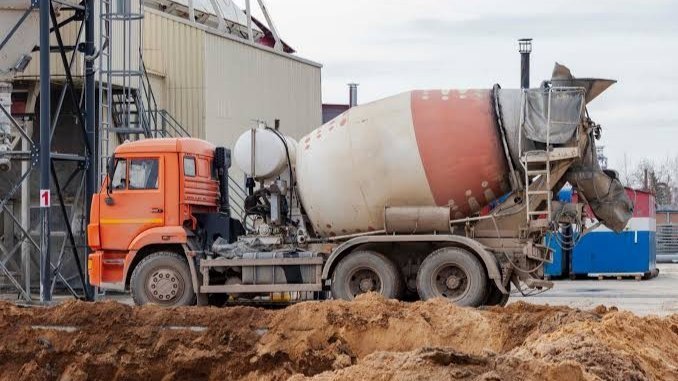

A growing number of construction projects in Kenya are facing significant risks due to the proliferation of poor-quality ready-mix concrete. Industry experts and professionals have raised the alarm over the influx of suppliers who are failing to meet essential technical standards, which could lead to a wave of structural issues in the near future.
Okowa Nashon, a prominent voice in the sector, recently cautioned stakeholders to remain vigilant, noting that there are too many low-tier ready-mix companies currently operating within the market. The warning comes at a time when the pace of urban development in Nairobi and surrounding counties has increased the demand for fast-tracked material delivery.
The issue, according to those on the ground, stems from a lack of consistency in the production chain. Industry contributors like Mjengo Hub have described the current situation as particularly dire, suggesting that the prevalence of substandard mixes has become a systemic problem for contractors who rely on external batching plants.
Technical experts point to specific shortcuts taken by unscrupulous suppliers to widen profit margins. Common malpractice includes skimping on the required cement content or utilizing dirty, unwashed aggregates. These impurities weaken the chemical bond during the hydration process, resulting in concrete that fails to meet its specified compressive strength.
When these materials are used in high-rise developments or critical infrastructure, the results are often seen in the form of weak test cubes and premature cracking. If these defects are not caught early, the long-term durability of the building is compromised, potentially leading to costly retrofitting or, in extreme cases, total structural collapse.
To mitigate these risks, engineers are advising developers to move beyond verbal assurances and demand documented proof of quality. It is now considered essential to request the approved mix design from the supplier before any pouring begins. This document outlines the exact proportions of water, cement, and stone intended for the specific strength class ordered.
On-site testing remains the most effective line of defense against faulty deliveries. Professionals emphasize that a slump test should be conducted for every truck that arrives at a site. This quick field test measures the consistency and workability of the concrete, providing an immediate indication of whether the water-to-cement ratio is within the acceptable range.
Beyond the slump test, the casting of test cubes for laboratory analysis remains a non-negotiable requirement. These cubes, when crushed at 7 and 28 days, provide the definitive data on whether the concrete has achieved its intended grade. Relying solely on the reputation of a supplier, without independent verification, is increasingly viewed as a high-stakes gamble in the current regulatory environment.
As the industry grapples with these quality control challenges, the call for stricter oversight of batching plants grows louder. Until then, the responsibility for ensuring structural safety rests heavily on the shoulders of site supervisors and independent consultants who must vet every load of concrete that enters a project gate.
Comments (0)
Leave a Comment
No comments yet. Be the first to share your thoughts!