
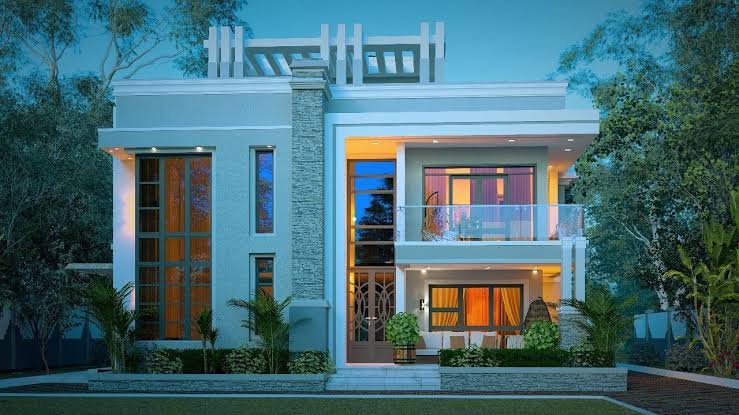

The aesthetic appeal of minimalist architecture has driven a massive surge in flat-roofed residential designs across Kenya, but many homeowners are now facing severe structural consequences. What began as a modern design preference has quickly developed into a persistent headache for residents during rainy seasons.
Mary Kageni, a homeowner in Gikambura, Kikuyu, now dreads the arrival of gathering clouds. For Kageni, each rainstorm brings the immediate threat of fresh water damage to her property, making a leaking roof the most punishing aspect of her homeownership experience
Like many others, she initially chose a hidden-roof design because of its sleek appearance, although her architect supported the choice by highlighting lower initial construction costs.
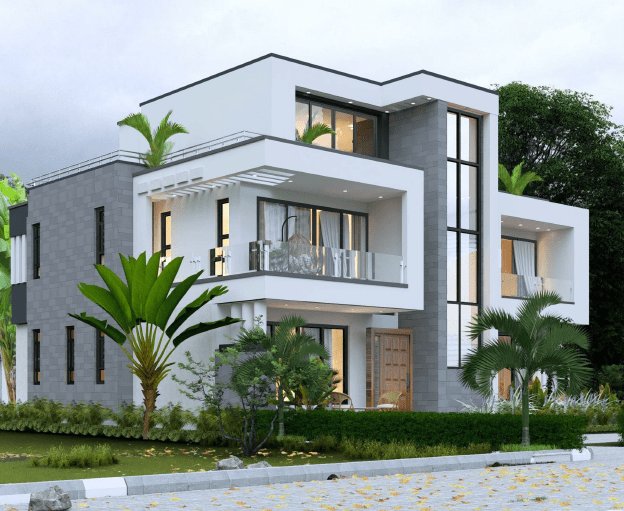
However, construction experts warn that hidden and flat roofs require flawless execution to function correctly. While these designs can perform exceptionally well when properly engineered, they leave absolutely no margin for error during installation.
According to professional builders, the primary vulnerability lies in drainage. Unlike traditional pitched roofs that naturally shed water, flat designs must rely on precise sloping toward internal drainage points to prevent pooling.
When a contractor fails to achieve the correct gradient, water accumulates on the surface. Over time, standing water degrades even high-quality waterproofing membranes, leading to inevitable leaks that penetrate the concrete slab.
The Architectural Association of Kenya (AAK) has frequently noted that supervising construction projects is vital to prevent such technical failures. Without strict oversight, critical elements like waterproofing application are often compromised by unskilled laborers.
Furthermore, the quality of waterproofing materials available in the local market varies widely. Cheap, substandard bituminous membranes or liquid-applied coatings fail rapidly under Kenya's intense equatorial sun, cracking before the first heavy downpour arrives.
The National Construction Authority (NCA) continues to urge developers to hire certified contractors. When non-compliant individuals manage sites, they often skip essential steps, such as conducting rigorous 24-hour flood tests on completed roofs.
Maintenance is another critical factor that Kenyan homeowners frequently overlook. Flat roofs require regular inspections to clear debris, leaves, and dust from the drainage gutters and downpipes, which prevent blockages.
If a single drain becomes blocked, an entire roof can quickly transform into a shallow swimming pool. The immense weight of collected water threatens not just the interior finishes, but the structural integrity of the building itself.
Architects emphasize that the initial cost savings of a hidden roof are quickly wiped out by continuous repairs. Rectifying a failed waterproofing system requires stripping the top layers, which is an expensive and disruptive process.
For homeowners like Kageni, the ongoing stress outweighs the initial beauty of the structure. The trend serves as a warning that architectural choices must always prioritize local weather realities over superficial design trends.
Property experts advise anyone planning a build to invest heavily in premium waterproofing systems. Hiring an experienced structural engineer to calculate proper slopes and overflow drains is essential for long-term peace of mind.
Ultimately, the flat-roof design is not inherently flawed, but it demands meticulous maintenance and superior craftsmanship. Until local construction standards match the technical requirements of these modern designs, more homeowners will likely suffer through the rainy seasons.
Comments (0)
Leave a Comment
No comments yet. Be the first to share your thoughts!