
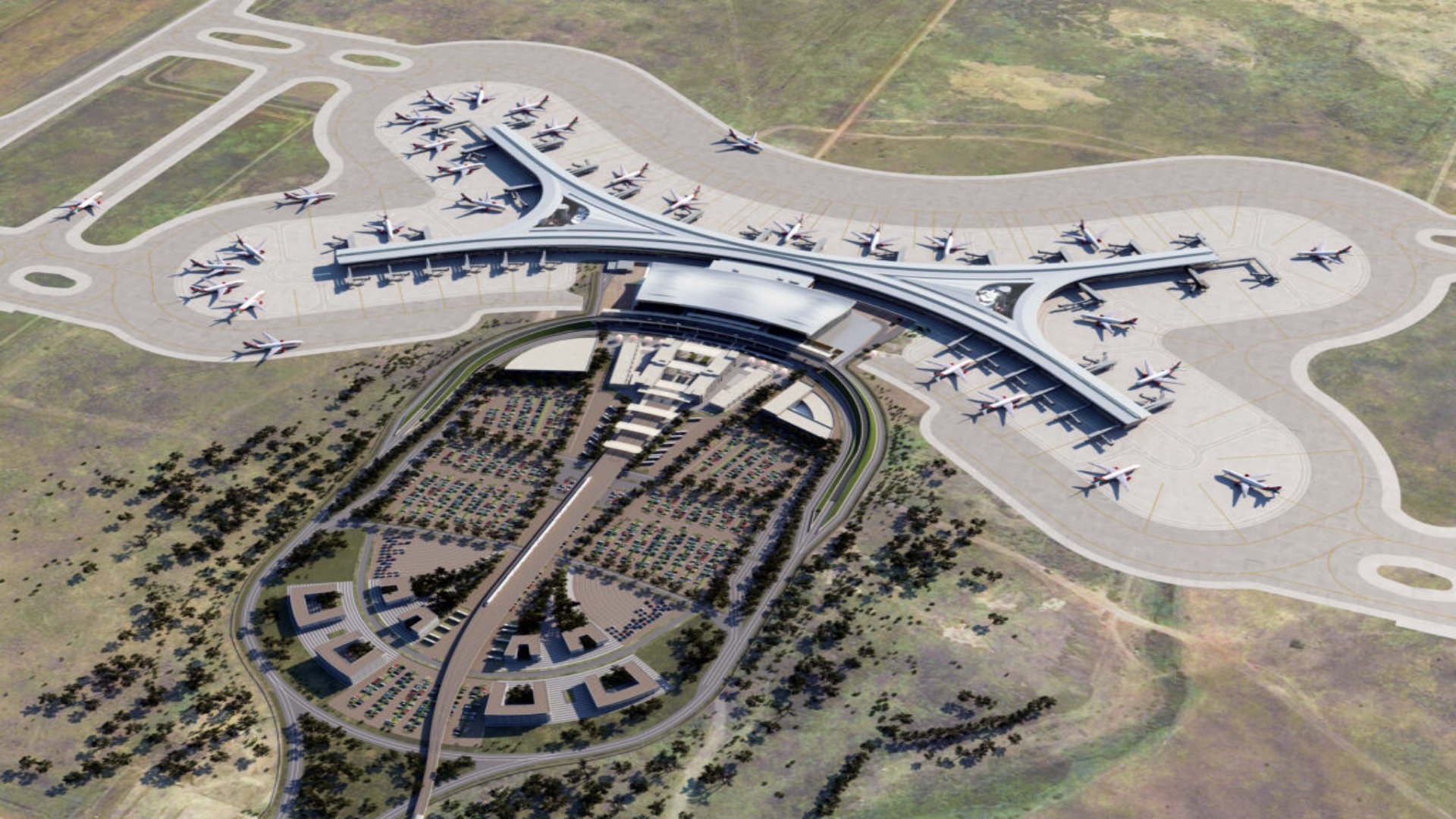

The Jomo Kenyatta International Airport (JKIA) mega-overhaul as a regional hub is a massive infrastructure commitment by the Government Delivery Unit (GDU) and the Kenya Airports Authority (KAA).
Anchored in Vision 2030 and the Bottom-Up Economic Transformation Agenda (BETA), this project aims to position Kenya as a "first-class economy by 2050" by addressing long-standing operational inefficiencies and congestion at JKIA.
The modernization plan involves a tightly scheduled construction phase. By June 2026, the focus will be on installation, specifically the new passenger boarding bridges and modern ground-handling equipment to streamline airport operations.
The most significant structural milestone, the construction of a new 4.8-kilometer runway designed to accommodate larger aircraft and reduce delays, is scheduled for completion by June 2027.
Finally, a world-class passenger terminal is expected to be fully developed by 2029, dramatically increasing the airport's annual passenger handling capacity.
KAA emphasizes that the new runway will be key to enhancing both safety and operational efficiency, making JKIA a modern, competitive airport in the region.
This project is not isolated; it is part of a broader national infrastructure drive to enhance internal connectivity and stimulate economic growth across the country.
Construction is also underway on several regional airports. The Eldoret International Airport runway is being extended to 3.5 kilometers, the Kisumu International Airport runway is being widened, and the Malindi Airport runway is being expanded to 2.5 kilometers to boost coastal tourism access.
Furthermore, numerous airstrips, including Kabunde, Lichota, Suneka, Ukunda, Voi, Lokichoggio, Narok, Kilgoris, Bomet, Kerenga, Garissa, Mandera, Nanyuki, and Busia (with feasibility and design work in progress), are undergoing rehabilitation.
For the Mjengo Hub readers, this long-term outlook highlights the need for investment in aviation-specific commercial real estate development around the airport corridors.
Also, the establishment of decentralized aviation training and maintenance services, as envisioned by the GDU, will also create new construction requirements for technical schools and overhaul centres in various regions, further cementing the link between public infrastructure spending and private sector investment.
Comments (0)
Leave a Comment
No comments yet. Be the first to share your thoughts!