
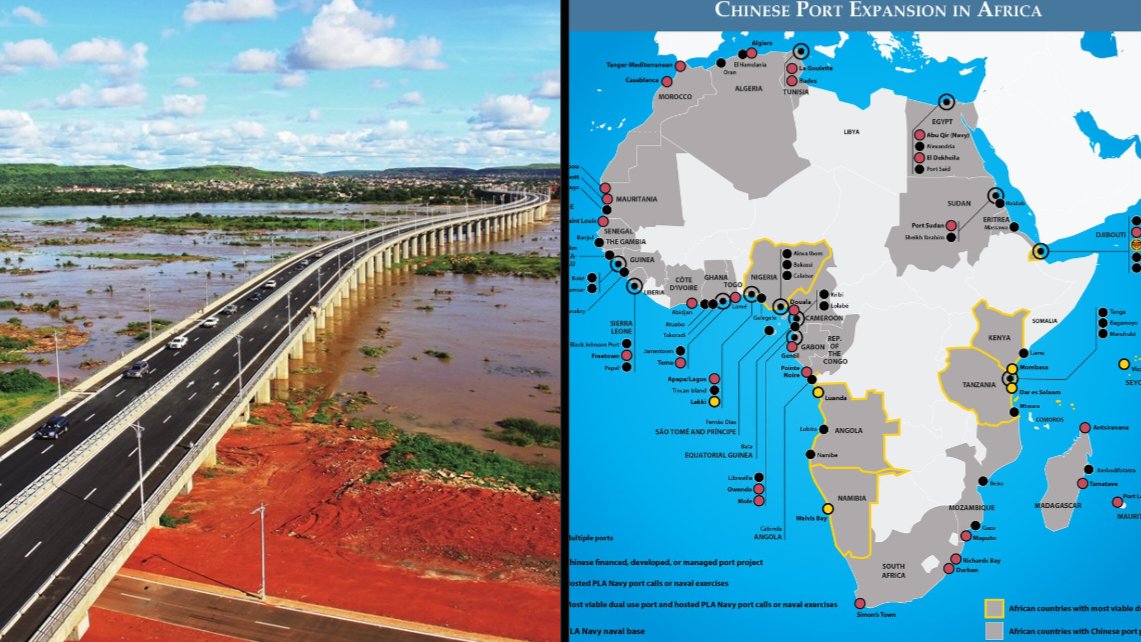

Chinese investment and funding allocated under the Belt and Road Initiative (BRI) has surpassed $300 billion in total financing commitments across African infrastructure projects.
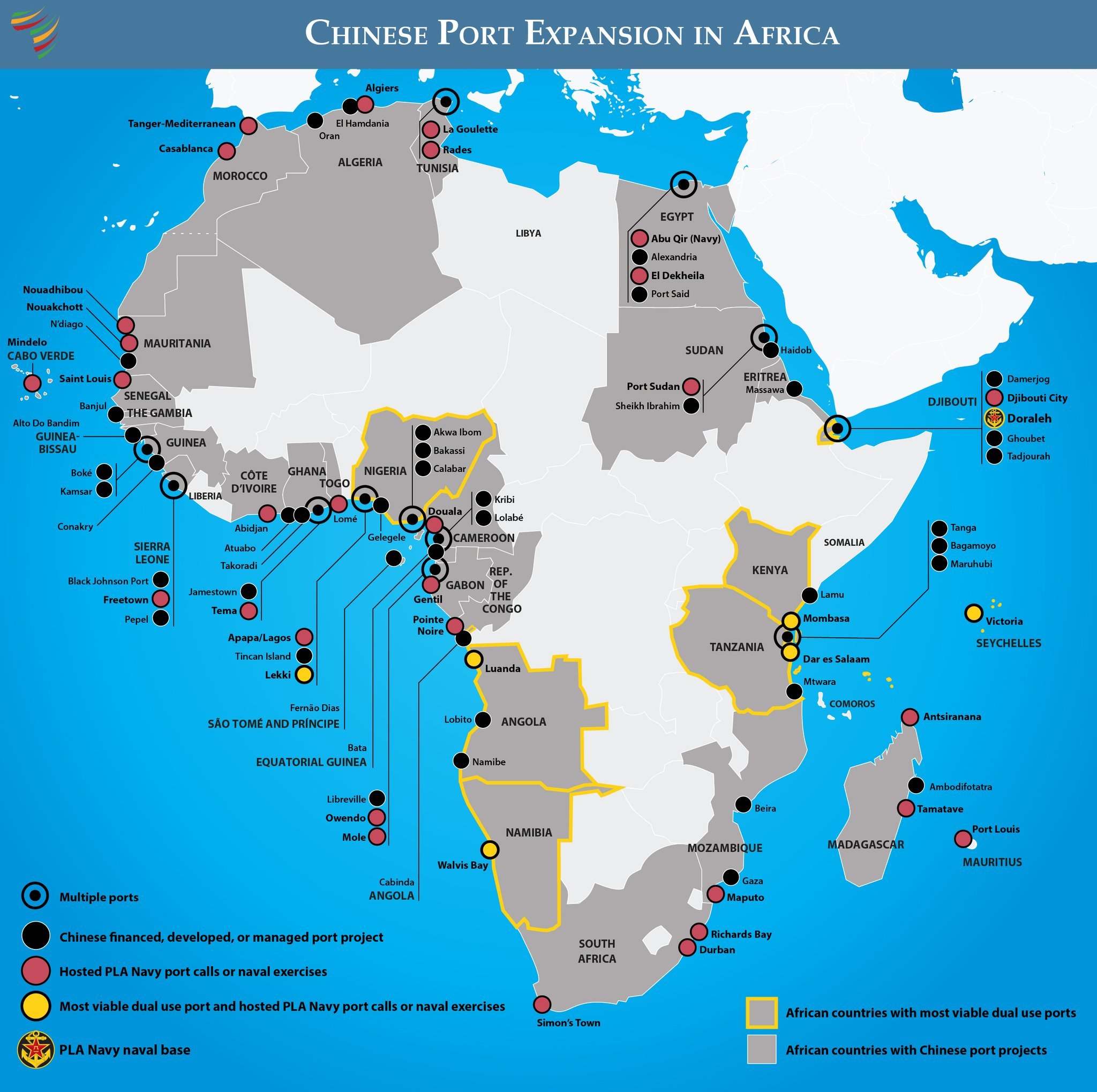
Originally launched by Beijing in 2013, the framework targeted capital deployment into core transport and utility assets across developing economies, including major transport links, maritime port corridors, and energy generation sites.
Prior to the global rollout of the program, Beijing expanded its footprint through state policy banks, commercial lenders, and dedicated development vehicles. In Kenya, financing backed the Standard Gauge Railway (SGR) connecting the Port of Mombasa to Nairobi, alongside urban bypass corridors managed by state road agencies.
Similar bilateral funding arrangements financed gas pipelines in Nigeria, hydroelectric power stations in Uganda, and major rail networks connecting landlocked regional trade hubs.
The project portfolio managed under BRI mechanisms includes several primary asset categories across the continent:
* Highway corridors and primary arterial bypasses designed for cross-border freight traffic.
* Standard-gauge and suburban rail systems connecting coastal ports to inland manufacturing centers.
* Deep-water shipping terminals and port expansion works to improve maritime container throughput.
* Power infrastructure projects including hydroelectric dams, power transmission networks, and gas pipelines.
Commercial banks and state policy lenders, including the Export-Import Bank of China (EximBank) and the China Development Bank (CDB), have supplied much of the project debt.
Additional capital has been routed through specialized equity structures such as the Silk Road Fund (SRF) and the China-Africa Development Fund (CADFund). These mechanisms provided long-term capital for large civil engineering contracts, which were predominantly executed by state-owned Chinese contractors.
The volume of capital deployed into African civil works under the initiative remains unmatched by competing bilateral lenders.
While Western development finance institutions have raised concerns regarding loan terms and sovereign debt exposure, African nations have continually drawn on Chinese credit facilities to cover regional infrastructure deficits that traditional multilateral lenders declined to fund fully.
More recently, Chinese state lenders have begun adjusting their lending terms and project evaluation criteria. Financial institutions are gradually pivoting away from multi-billion-dollar sovereign debt packages toward smaller, higher-yield industrial and energy generation assets.
Despite this strategic adjustment in funding structures, existing port, rail, and road assets financed under the initial $300 billion commitment continue to form the backbone of modern East and West African transport networks.
Comments (0)
Leave a Comment
No comments yet. Be the first to share your thoughts!