
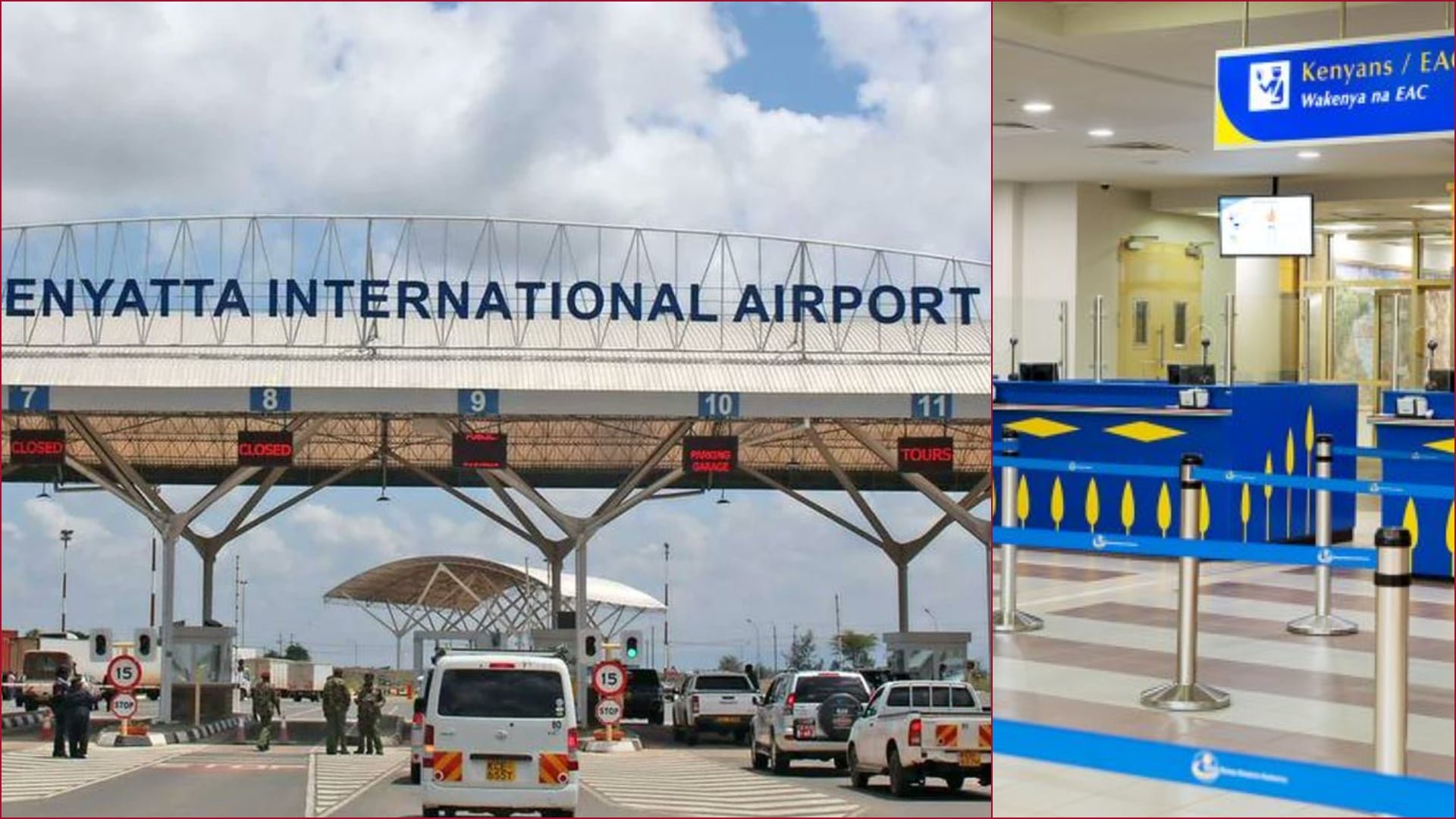

The Kenya Airports Authority has moved forward with a series of infrastructure projects at Jomo Kenyatta International Airport in Nairobi, Moi International Airport in Mombasa, and Kisumu International Airport, focusing on everything from construction to digital enhancements. Tender notices released this week call for bids on works that address longstanding needs in these busy hubs, which together handle the bulk of the country's air traffic.
At JKIA, the country's primary gateway for international and domestic flights, the upgrades include setting up new restaurant spaces in terminals 1A, 1D, and 2. These will feature quick-service options, African cuisine spots, and cafes, aimed at giving travelers more choices during layovers or waits. Terminal 1A deals mainly with international routes, including those operated by Kenya Airways and other global carriers, while 1D focuses on internal flights. Terminal 2 supports budget airlines and regional connections, often to neighboring countries like Tanzania or Uganda.
Beyond dining, JKIA will see the rollout of a dedicated taxi app to make ground transportation smoother and safer for arriving passengers. This comes as no surprise given the airport's role as East Africa's aviation centerpiece, where daily passenger volumes can spike during peak seasons. Kenya's aviation sector has grown steadily over the past decade, driven by tourism and business travel, but facilities have sometimes lagged behind demand, leading to occasional bottlenecks.
In Mombasa, at Moi International Airport, the work targets ground stabilization and slope reinforcement, which are critical in a coastal area prone to erosion from heavy rains and shifting soils. The airport, serving the port city and its surrounding tourist beaches, will also get a new garden restaurant and upgrades to mechanical ventilation and air-conditioning systems. These changes should help manage the humid climate better, ensuring terminals stay comfortable for passengers heading to resorts or on cargo runs tied to the nearby port.
Mombasa's airport has long been a vital link for Kenya's coastal economy, where tourism accounts for a significant portion of local jobs and revenue. Cargo operations there support exports like fresh produce and imports for the region's industries. Stabilizing the grounds could prevent disruptions from weather-related issues, which have affected operations in the past, though no major incidents have been reported recently.
Further west, Kisumu International Airport is lined up for slope stabilization and land reclamation efforts, alongside the introduction of baggage wrapping services. Situated on the shores of Lake Victoria, the airport connects the western region to Nairobi and beyond, facilitating trade in fish, agriculture, and manufacturing. Baggage wrapping, a common security measure at many airports, will add a layer of protection for travelers' luggage, potentially reducing theft or tampering complaints.
Kisumu has seen increased traffic since its upgrade to international status in 2011, with flights to destinations in East Africa and occasional charters farther afield. The reclamation work might involve filling in low-lying areas to expand usable space, though details in the tenders stick to basic descriptions without specifying scales.
Across all three airports, the authority plans to install an electronic document and records management system to digitize administrative processes. This shift could cut down on paperwork delays and improve coordination between staff, from security to maintenance teams. In a country where government agencies have pushed for more tech integration under initiatives like the digital economy blueprint, this fits into broader efforts to modernize public services.
The push extends to smaller airports too. Facilities in Ukunda, Malindi, Wilson in Nairobi, Nanyuki, and Isiolo are slated for targeted improvements, such as new advertising setups, ground handling contracts, and taxi operations. Ukunda and Malindi, both on the coast, cater to charter flights for tourists, while Wilson handles a mix of private and humanitarian aviation. Nanyuki serves central Kenya's safari circuits, and Isiolo acts as a northern hub with potential for growth tied to regional trade corridors.
These developments arrive amid government plans for a entirely new airport to relieve pressure on JKIA. President William Ruto announced in January that construction would start in April or early May 2026, following the scrapping of a proposed deal with India's Adani Group in 2024 over concerns about terms and transparency. The new facility, estimated at around 264 billion Kenyan shillings, would feature additional terminals, runways, and parking bays for aircraft.
Kenya's infrastructure sector has faced scrutiny in recent years, with projects like the standard gauge railway and expressways drawing both praise for connectivity gains and criticism over costs and debt. Airports, in particular, are seen as key to sustaining economic growth, especially as tourist arrivals rebound post-pandemic. In 2023, for instance, visitor numbers topped 2 million, a figure that officials hope to build on through better facilities.
The Adani controversy highlighted risks in public-private partnerships, where foreign investment can speed up builds but sometimes sparks debates on sovereignty and value. With the new airport now on a domestic track, the current upgrades at existing sites could serve as a bridge, maintaining service levels until the bigger project comes online.
Tenders for these works are open to qualified firms, with KAA emphasizing compliance with procurement rules. No specific timelines for completion were outlined in the notices, but such projects typically span months to a couple of years, depending on scope and funding. Costs weren't detailed either, leaving room for bids to shape the final outlays.
As Kenya positions itself as a regional logistics leader, these airport tweaks reflect practical steps to keep pace with demand. Passenger feedback has often pointed to needs for better amenities and reliability, and if executed well, the changes could address some of those gaps without the fanfare of larger builds.
Comments (0)
Leave a Comment
No comments yet. Be the first to share your thoughts!