
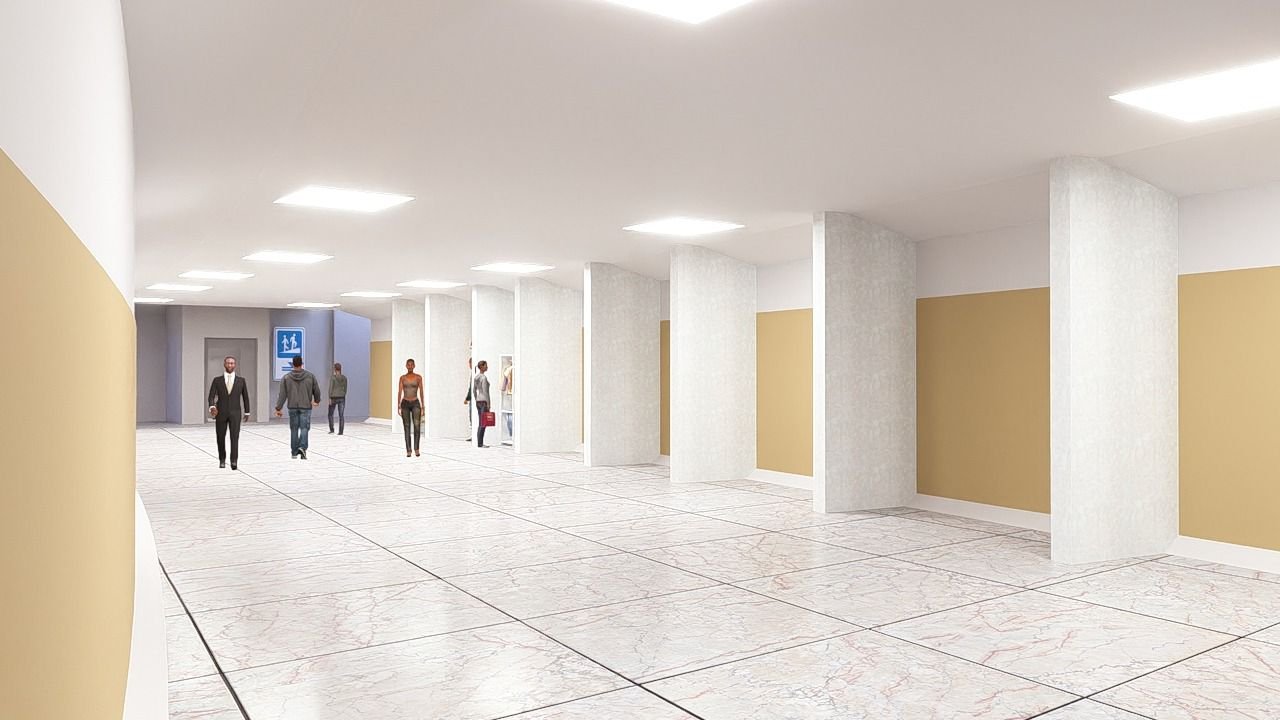

As Nairobi continues to grow, the city is steadily investing in modern infrastructure projects designed to ease mobility and enhance public safety. Among these projects is the Green Park Terminus pedestrian underpass, an ambitious development that is set to transform daily commuting while ushering in a new phase of urban planning in Kenya’s capital.
Located at the busy intersection of Uhuru Highway and Haile Selassie Avenue, the underpass represents a fresh vision for how Nairobi can respond to the demands of a rapidly expanding population while prioritizing safety, efficiency, and accessibility. With an estimated cost of Ksh 2 billion, the project is a strategic investment that promises to provide thousands of pedestrians with a safe, all-weather route into the heart of the Central Business District (CBD). Once complete, it will seamlessly link the Green Park Bus Terminus, Uhuru Park grounds, and the Nairobi Railways Station directly to the CBD, creating a critical artery for daily commuters.
Progress on the project has been significant. Reports indicate that construction is already 88 percent complete, with the unveiling expected in the near future. For Nairobians who have long struggled with congested roads and dangerous pedestrian crossings, the underpass could not come at a better time. It marks a turning point where safety, order, and modern engineering come together to solve one of the city’s most persistent challenges: pedestrian-vehicle conflict.
The design of the underpass reflects careful planning. It will feature wide, well-lit corridors fitted with CCTV surveillance to guarantee security for users at all hours. To further promote inclusivity, elevators and ramps have been included in the design to accommodate persons with disabilities, ensuring that the facility serves every member of the public without discrimination. By directing pedestrians underground, the project will not only enhance safety but also allow traffic on Uhuru Highway to flow more efficiently, reducing delays and easing the notorious congestion at the intersection.
Despite its clear benefits, the project has not been without obstacles. Building such a massive structure in the middle of Nairobi’s busiest road network has required careful traffic rerouting, prolonged construction activity, and unavoidable disruptions to daily life. For drivers and pedestrians, the last two years have come with moments of inconvenience, from delays to detours. However, these short-term challenges are a small sacrifice compared to the long-term relief and safety gains the underpass will deliver.
Beyond its functional role, the Green Park underpass carries symbolic weight. It demonstrates that Nairobi is capable of embracing people-centered urban planning and world-class infrastructure. For decades, pedestrian safety has often been overlooked in favor of motorized transport. This project represents a shift in priorities, signaling that the welfare of the city’s residents is just as important as the flow of vehicles. It is a reminder that a modern city is defined not only by its skyscrapers and highways but also by how well it accommodates the people who use it daily.
Moreover, the underpass is part of a broader effort to reimagine Nairobi’s transport systems. Alongside the expressway, bus rapid transit lanes, and modernization of railway services, it contributes to a long-term vision of a more connected and efficient capital city. By easing movement into the CBD, it will boost productivity, reduce commuter fatigue, and ultimately improve the quality of urban life.
The Green Park underpass is therefore more than just another mjengo project in Nairobi. It is a bold statement of intent, a sign that the city is serious about creating safe, functional, and forward-looking spaces for its people. In the years to come, it will stand not only as a practical solution to congestion but also as a symbol of progress, resilience, and a commitment to human-centered development.
Comments (0)
Leave a Comment
No comments yet. Be the first to share your thoughts!