
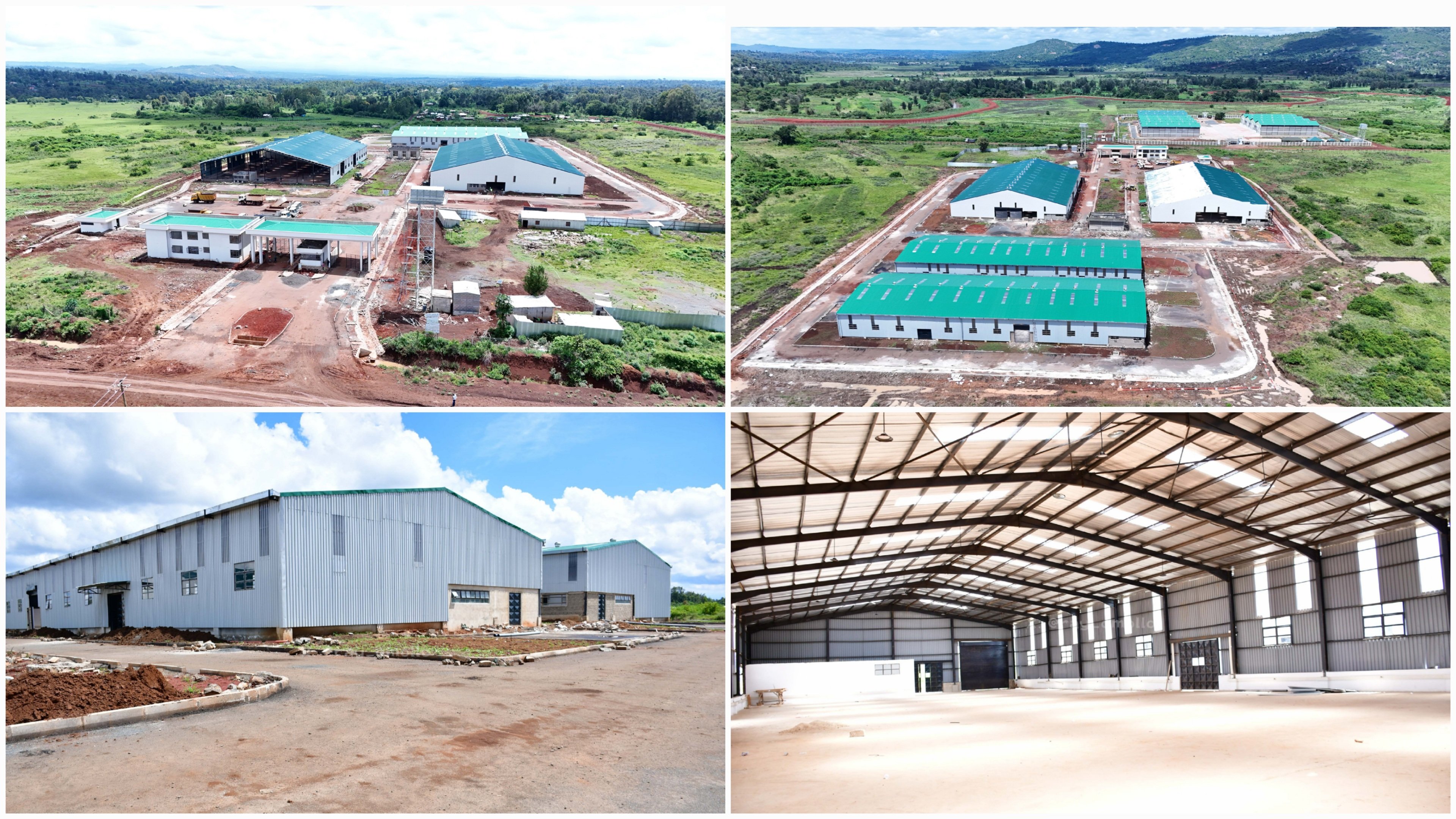

The Sagana Export Processing Zone in Kirinyaga County is preparing to overhaul the local agricultural landscape by providing a direct processing route for farmers. By establishing a dedicated hub for value addition, the project aims to remove traditional middlemen from the supply chain, allowing growers to retain a larger share of their crop value.
Located on 250 acres of repossessed land, the facility operates as a dual-category site. It incorporates both an Export Processing Zone and a Special Economic Zone. This structure provides a framework of fiscal and administrative incentives, including tax exemptions and duty-free imports, intended to attract high-value investors to the region.
Logistics play a central role in the site selection for this industrial park. The project sits in proximity to the Sagana Railway Station and the Sagana River. It also benefits from the Kenol-Sagana-Marua dual carriageway, which forms a critical part of the Great North Road corridor, connecting Nairobi to the agriculturally rich Mount Kenya region and Ethiopia.
Government projections indicate that once the zone is fully operational, it will generate more than 10,000 direct jobs. Beyond the immediate facility, the hub is expected to support approximately 170,000 indirect positions. This workforce expansion is intended to provide a significant economic shift for residents in the surrounding areas.
Processing activities at the site will focus on branding and refining primary produce. Key commodities identified for the zone include coffee, tomatoes, avocados, and macadamia nuts. Additionally, the facility is equipped to handle fish processing, allowing for a diversified industrial output that reflects Kirinyaga’s varied agricultural output.
The State Department for Internal Security and National Administration is currently providing oversight for the implementation of the project. Interior Principal Secretary Dr. Raymond Omollo noted that the department’s role is to ensure the successful development and subsequent operation of the site, maintaining the security and administrative standards required for international trade.
The construction phase has involved the development of multiple warehouses, including specialized cold storage and aggregation units. These structures are designed to allow farmers to store perishable goods like tomatoes and avocados before they are processed into higher-value products such as oils and pastes for the export market.
President Ruto has previously emphasized that the establishment of these industrial parks is a core pillar of the national manufacturing agenda. By placing infrastructure closer to the point of production, the government seeks to reduce post-harvest losses and improve the competitiveness of Kenyan exports in the global market.
Comments (0)
Leave a Comment
No comments yet. Be the first to share your thoughts!