
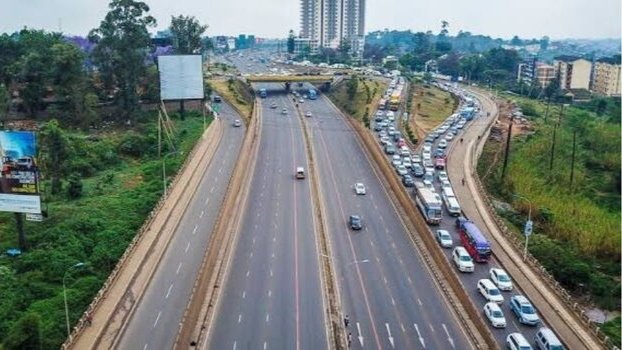

Roadside traders along key stretches of Thika Superhighway in Nairobi have been handed a tight deadline by the Kenya National Highways Authority. In a notice issued on February 9, 2026, KeNHA directed those operating at Roysambu in both directions and Githurai toward Nairobi to remove their wares from the road reserve within seven days. The move clears the path for constructing designated bus bays, which officials say will help organize passenger stops and cut down on traffic snarls.
The authority's directive focuses on sections where informal trading has spilled onto the reserve land, creating hazards for drivers and pedestrians alike. KeNHA explained that the bus bays would allow for structured pick-up and drop-off points, addressing a common complaint on this heavily used route. Congestion builds up quickly around these spots, especially during peak hours, as matatus halt abruptly and vendors crowd the edges. By reclaiming the space, the project aims to smooth out flow and lower accident risks, fitting into the agency's ongoing push to tidy up major corridors.
Thika Superhighway, officially the A2 road, serves as a vital link from Nairobi to Thika town and beyond, carrying thousands of vehicles daily toward central and eastern Kenya. Stretching about 50 kilometers, it handles commuter traffic, freight trucks, and long-haul buses, making it one of the country's busiest arteries. Upgrades completed in 2012 transformed it from a narrow dual carriageway into an eight-lane expressway, a project that cost around $360 million and involved funding from the African Development Bank, China's Exim Bank, and the Kenyan government. Chinese firms like Sinohydro and Shengli Engineering handled much of the construction, which included flyovers, underpasses, and service roads to ease bottlenecks.
That overhaul, inaugurated by then-President Mwai Kibaki, marked Kenya's first major superhighway and aligned with Vision 2030 goals for better infrastructure. Yet, despite the improvements, challenges persist. Encroachment on road reserves has been a recurring issue, not just here but across national highways. Vendors set up stalls, mechanics park vehicles, and even structures creep in, narrowing lanes and inviting collisions. KeNHA has dealt with similar problems before; last November, it issued a 30-day notice to traders and billboard owners elsewhere, warning of demolitions if they didn't comply. In Mombasa, five individuals faced court in August 2025 for ignoring evacuation orders along the A8 highway, highlighting how the authority enforces reserve protections under the Kenya Roads Act.
These reserves are strips of land flanking the road, set aside for maintenance, expansions, or safety features like barriers and drainage. In urban areas like Roysambu and Githurai, population growth and economic pressures drive people to use them informally. Roysambu, a bustling suburb with malls and residential estates, sees heavy foot traffic, while Githurai's market vibe draws sellers of everything from fruits to second-hand clothes. Traders there often argue they have few alternatives, but KeNHA's stance is firm: obstructions undermine the highway's purpose and endanger lives.
This latest action ties into broader safety efforts by KeNHA, a state corporation under the Ministry of Roads and Transport responsible for trunk roads classified as A, B, and S. The agency oversees planning, rehabilitation, and asset management, working with partners to reduce accidents. Kenya's 2024-2028 Road Safety Action Plan, for instance, calls for assessments of high-risk sections using tools like the International Road Assessment Programme (iRAP). In January 2026, KeNHA trained staff on AiRAP surveys, aiming to star-rate 2,000 kilometers of network and prioritize fixes. Such initiatives have already influenced projects, including footbridges and better signage.
Separately, KeNHA announced night closures on a stretch of Uhuru Highway from February 6 to 13, 2026. The A8 section between University Way and Westlands roundabouts shuts from 10 p.m. to 5 a.m. for repairs, affecting commuters heading to the CBD or northern suburbs. Diversions via Waiyaki Way or Jogoo Road are suggested, with the work meant to keep the route safe amid heavy daily use. Signed by Director General Luka Kimeli, the notice stresses minimal disruption, restoring normal operations after each session.
Back on Thika, the bus bay construction represents a practical step in these plans. Without specifying relocation options for traders, KeNHA urged voluntary compliance to avoid forced removals. Past evictions have sparked protests, but the authority points to legal backing and public benefits. As Nairobi expands, balancing commerce with infrastructure remains tricky, yet highways like this one are key to economic movement.
The Thika corridor has spurred growth since its upgrade, drawing investments in housing and industry. Towns like Ruiru and Juja have boomed, with better connectivity cutting travel times from hours to minutes. Still, safety data shows room for improvement; accidents from speeding or poor stopping practices claim lives yearly. By adding bus bays, KeNHA hopes to curb that, ensuring the highway lives up to its super status.
Officials haven't detailed the project's timeline or cost, but it falls under routine enhancements. Traders affected might seek county support for new sites, though none has been promised. For now, the seven-day clock ticks, underscoring KeNHA's resolve to protect reserves and upgrade facilities.
In a country where roads drive progress, these measures reflect ongoing work to make them safer and more efficient. As traffic volumes rise, such interventions could prevent bigger problems down the line.
Comments (0)
Leave a Comment
No comments yet. Be the first to share your thoughts!