
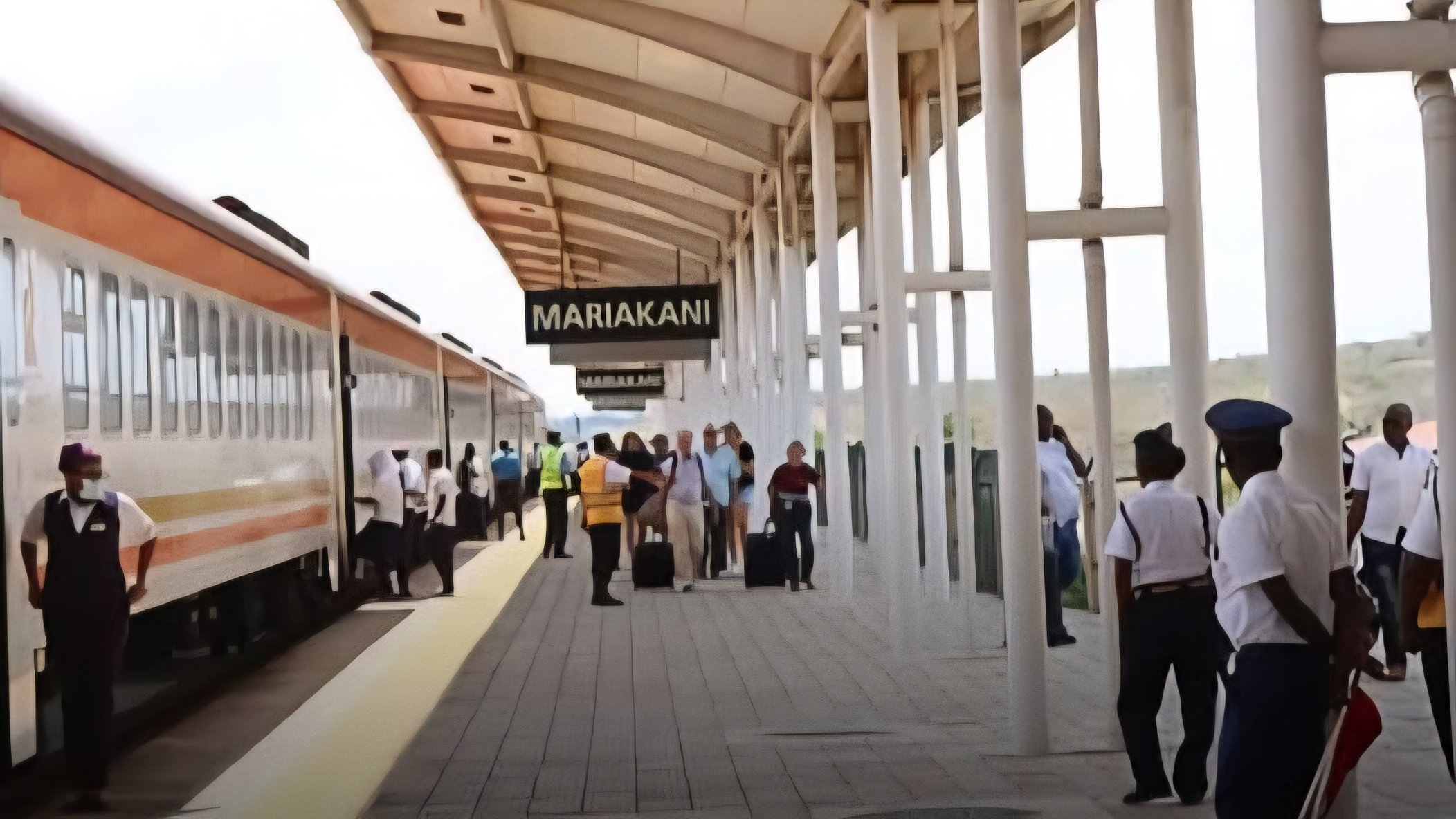

The Kenya Railways Corporation (KRC) has officially released a revised fare schedule for the Standard Gauge Railway (SGR) and the Metre Gauge Railway (MGR) networks. This move affects the busy Nairobi-Mombasa corridor and the Nairobi-Suswa route, alongside various intermediate stations.
According to the state corporation, the adjustments are necessary to align with the current economic environment. For passengers using the Madaraka Express between Nairobi and Mombasa, the cost of a first-class ticket has increased. Economy class travelers will also see a rise in the amount they pay for the four-hundred-and-eighty-kilometer journey.
The updated pricing structure is not limited to the flagship SGR service. The Nairobi-Suswa line, which serves the Rift Valley region, has also seen its ticket prices reviewed. This route is part of the Phase 2A expansion of the railway project, which aims to improve connectivity beyond the capital.
Commuter services within the Nairobi metropolitan area and the long-distance MGR trains to Western Kenya are included in the new tariff regime. The corporation indicated that the changes take effect immediately, although booking systems had already started reflecting the new rates in earlier phases of the rollout.
Intermediate stations such as Mariakani, Miasenyi, Voi, Mtito Andei, Kibwezi, Emali, and Athi River have specific tiered pricing. Travelers moving between these smaller hubs will pay rates proportional to the distance covered. These stations are vital for the locals, who rely on the train for daily trade and affordable transit.
The decision to hike fares comes at a time when the transport sector is grappling with increased operational costs. Kenya Railways has previously cited the high price of fuel and the need for sustainable maintenance of the locomotives and tracks as primary reasons for fiscal adjustments.
While the SGR remains a preferred choice for many due to its punctuality and safety record, the new prices represent a significant shift for budget-conscious commuters. The corporation continues to operate both morning and afternoon shifts for the passenger service to meet the high demand.
The locals using the commuter rail services in Nairobi will also need to adjust their daily budgets. These lines connect the Central Business District to areas like Embakasi Village, Syokimau, and Ruiru. Despite the hike, Kenya Railways maintains that the train remains a more efficient alternative to road transport, which is often hampered by traffic congestion.
Detailed fare charts have been posted at all major termini and are available through the official Kenya Railways online booking portal. Passengers are advised to verify their specific destination costs before making reservations through the USSD code or the corporation's website.
President Ruto has previously emphasized the importance of the railway network in lowering the cost of logistics in the long term. However, the immediate impact of these fare increases will be felt by the thousands of Kenyans who use the service for business and leisure travel every month.
Comments (0)
Leave a Comment
No comments yet. Be the first to share your thoughts!