
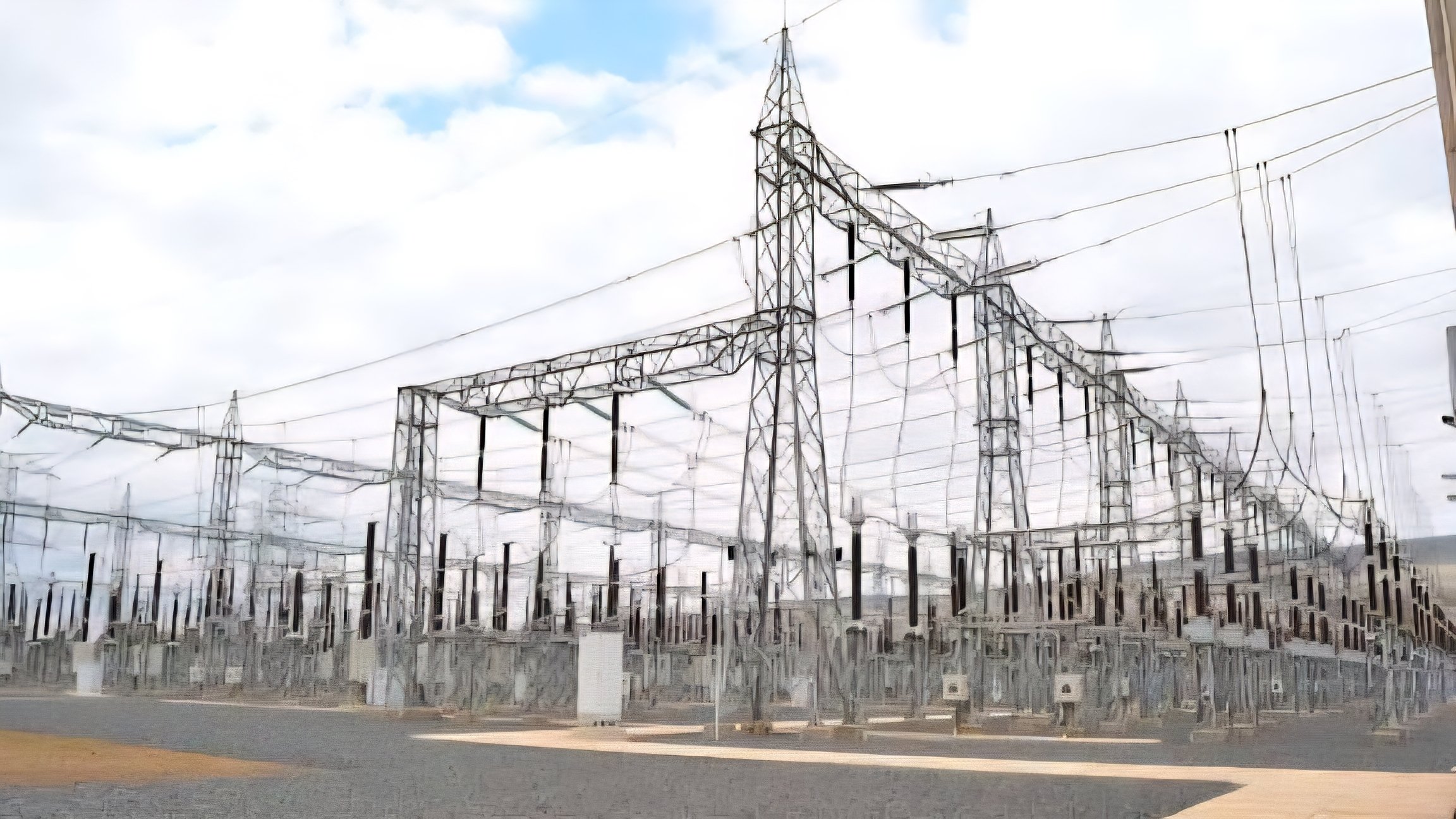

The Republic of Kenya has formalized a crucial investment agreement valued at $311 million, approximately Sh40.2 billion, for the development of two high-voltage electricity transmission lines and associated sub-stations.
The deal, signed this week, brings together Kenya’s Finance Ministry, the pan-African infrastructure fund Africa50, and the PowerGrid Corporation of India. The infrastructure project will be delivered through a public-private partnership (PPP) structure.
Under the agreement, Africa50, a Morocco-based fund primarily owned by African states, will collaborate with PowerGrid to handle the complete lifecycle of the infrastructure. This includes the design, financing, construction, and subsequent operation of the lines and substations over a 30-year concession period.
According to statements released by the Finance Ministry, the primary goals of the new lines are to enhance system stability across the national grid, reduce technical losses, and minimize incidents of load shedding.
The project is also designed to facilitate the integration of Kenya’s significant renewable energy resources into the network. The state-owned Kenya Electricity Transmission Company Limited (KETRACO) is designated as the contracting entity for the new infrastructure.
This reliance on PPP models and the securitisation of revenue streams reflects the government’s approach to funding large infrastructure projects amid growing public debt levels and restricted fiscal space.
Past grid failures, often attributed to demand-driven overloads, have necessitated infrastructure expansion to accommodate increasing power needs without straining the existing network.
The government views these private sector deals as necessary given the limitations of traditional financing sources, although the strategy has drawn criticism regarding potential state liabilities through long-term contracts.
Comments (0)
Leave a Comment
No comments yet. Be the first to share your thoughts!