
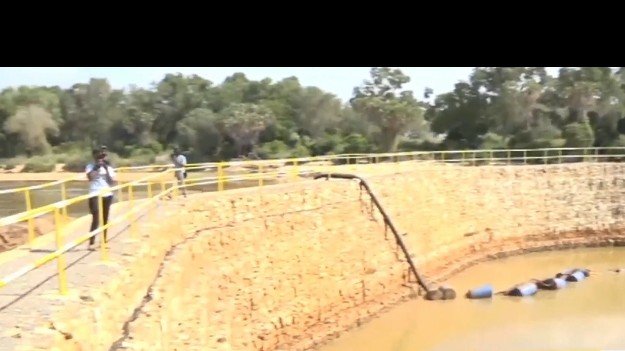

The Kenyan government has announced plans to expand the Galana Kulalu food security project with the construction of a dam, a move aimed at putting 300,000 acres of land under cultivation. The project, located in the eastern part of the country, has been a key initiative in the government’s efforts to ensure food security and reduce reliance on imports. By increasing the availability of water for irrigation, the new dam is expected to transform the semi arid region into productive farmland, supporting both smallholder farmers and larger commercial operations.
The expansion comes after the government recognized the need to maximize the potential of the Galana Kulalu area. The project was initially launched to provide a reliable source of food for the nation while creating employment opportunities for local communities. However, limited water availability has remained a challenge, restricting the amount of land that can be cultivated effectively. By constructing the dam, authorities hope to create a stable water supply that will support large scale crop production throughout the year.
Officials involved in the project have highlighted the economic benefits that the expansion is likely to bring. Putting 300,000 acres of land under cultivation is expected to increase agricultural output significantly, creating jobs in farming, transport, processing and other related sectors. The project also aims to empower local communities by providing training in modern farming techniques and access to irrigation infrastructure, which will enable them to produce higher yields and diversify the types of crops grown.
The construction of the dam is expected to be a complex undertaking, involving careful planning and engineering to ensure that it meets the region’s water needs without causing environmental harm. Experts have emphasized the importance of proper water management to prevent issues such as soil erosion or flooding downstream. In addition, the government plans to integrate the dam with existing irrigation networks, allowing for efficient distribution of water to the farmlands.
Environmental considerations are central to the expansion plan. The Galana Kulalu area is home to various wildlife species, and authorities are working to ensure that the project minimizes its impact on natural habitats. Measures such as reforestation, wildlife corridors, and sustainable water management practices are expected to be part of the planning process. The government has also indicated that it will involve environmental experts and local communities in monitoring the project’s progress to ensure it aligns with conservation goals.
The expansion of Galana Kulalu is also expected to contribute to national food security by reducing dependence on imported staples such as maize and wheat. With a larger area under cultivation and access to reliable irrigation, farmers can grow multiple harvests per year, increasing the availability of food and stabilizing prices. This will be particularly beneficial during periods of drought, which have historically affected agricultural production in eastern Kenya.
Local communities are optimistic about the project, seeing it as a chance to improve livelihoods and create sustainable employment opportunities. Many residents have already expressed interest in participating in farming activities, while others are hopeful that the expansion will stimulate local businesses and infrastructure development, such as roads and markets. The government has pledged to support these initiatives, ensuring that the benefits of the project reach as many people as possible.
Despite the positive outlook, some challenges remain. Securing funding for such a large scale project, managing construction timelines and addressing potential social and environmental impacts will require careful coordination. However, officials are confident that with proper planning and stakeholder engagement, the expansion of the Galana Kulalu project will achieve its goals and serve as a model for future agricultural initiatives in the country.
As Kenya continues to focus on enhancing food security, the expansion of Galana Kulalu represents a significant step toward achieving self-sufficiency and supporting the agricultural sector. By combining modern irrigation systems, community involvement and sustainable practices, the project has the potential to transform the region, increase agricultural output and improve the livelihoods of thousands of people. The construction of the dam, in particular, is expected to be a key factor in unlocking the full potential of the area, ensuring that it becomes a productive and reliable source of food for the nation.
The government’s commitment to the project reflects a broader strategy of investing in infrastructure, technology, and human capital to strengthen the agricultural sector. If successfully implemented, the expansion of Galana Kulalu could serve as a benchmark for similar initiatives in other parts of Kenya and the region, demonstrating how careful planning and resource management can turn semi-arid land into a productive agricultural hub.
Comments (1)
Leave a Comment
David W Nerubucha
Feb 28