
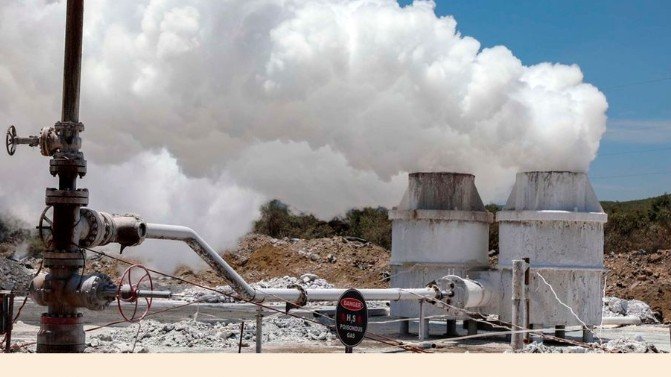

KenGen, Kenya’s leading electricity generator, is taking a significant step into the agricultural sector with a Sh107 billion fertiliser factory that is set to produce both fertilisers and carbon credits. The facility, which has been under development for the past few years, is expected to boost local production of essential nutrients for farming while contributing to the country’s climate change mitigation efforts.
The fertiliser factory will produce nitrogen-based fertilisers using green ammonia technology, a process that reduces reliance on fossil fuels and lowers carbon dioxide emissions. This approach allows the plant to capture carbon savings, which can then be converted into carbon credits and sold on global markets. Kenya is among the countries that are increasingly embracing carbon trading as a means to finance sustainable projects and this initiative aligns with national goals to promote renewable energy and reduce greenhouse gas emissions.
KenGen’s entry into fertiliser production comes at a time when Kenya continues to depend heavily on imports to meet local fertiliser demand. Farmers in the country have faced rising costs and delays linked to global supply chain challenges. By producing fertiliser domestically, the factory is expected to stabilise prices, improve accessibility for smallholder farmers and reduce the country’s vulnerability to international market fluctuations.
The project is also expected to create numerous employment opportunities, ranging from construction to operational roles once the factory becomes fully functional. In addition to providing jobs, it is likely to stimulate the growth of related industries, including logistics, distribution and retail, which are crucial for Kenya’s agricultural economy.
Carbon credits generated by the factory will offer another stream of revenue for KenGen. Carbon trading allows companies or governments to offset their greenhouse gas emissions by purchasing credits from projects that reduce or remove carbon dioxide from the atmosphere. The fertiliser factory’s ability to sell these credits internationally positions Kenya to benefit financially from global climate action initiatives, while also demonstrating a model for other industrial projects to adopt greener practices.
Environmental experts have welcomed the move, noting that industrial scale fertiliser production often contributes significantly to emissions when powered by conventional methods. By integrating cleaner technologies, the factory is expected to lower the carbon footprint of fertiliser production in Kenya and contribute to the country’s commitment under the Paris Agreement to reduce emissions.
KenGen’s diversification into agriculture reflects a broader strategy to invest in sustainable and revenue-generating ventures beyond electricity generation. It also positions the company as a key player in the green economy, blending industrial development with environmental responsibility. Observers suggest that such initiatives could encourage other local and regional firms to adopt similar approaches, particularly in sectors where production traditionally relies on carbonintensive processes.
While the project is set to benefit farmers, investors, and the environment, it will require careful management to ensure operational efficiency and adherence to environmental standards. Experts emphasize the importance of maintaining transparency in carbon credit accounting and ensuring that the credits sold represent genuine emission reductions. Successful implementation could make the fertiliser factory a model for sustainable industrial development in the region.
In addition to its economic and environmental impacts, the project may have social benefits. By making fertilisers more accessible and affordable, it could help improve crop yields and food security, particularly in rural areas where farming is the primary source of income. Enhanced agricultural productivity can translate into higher incomes for farmers, stronger local economies and greater resilience against food shortages caused by climate change.
The Sh107 billion fertiliser factory is expected to start operations within the next few years, marking a milestone in Kenya’s efforts to integrate green technologies into industrial production. With its dual focus on fertiliser production and carbon credits, the facility represents an innovative approach to addressing economic, environmental and social challenges simultaneously. It also highlights the growing recognition that sustainable industrial practices can be profitable, providing both financial returns and climate benefits.
KenGen’s project underscores a shift in the country’s development strategy, where energy, agriculture, and environmental sustainability are increasingly intertwined. By harnessing cleaner technologies, promoting local production and generating carbon credits, the fertiliser factory could serve as a blueprint for future projects in Kenya and across Africa, where balancing growth with environmental responsibility remains a pressing priority.
Comments (0)
Leave a Comment
No comments yet. Be the first to share your thoughts!