

A version of this article appeared on Business Daily.
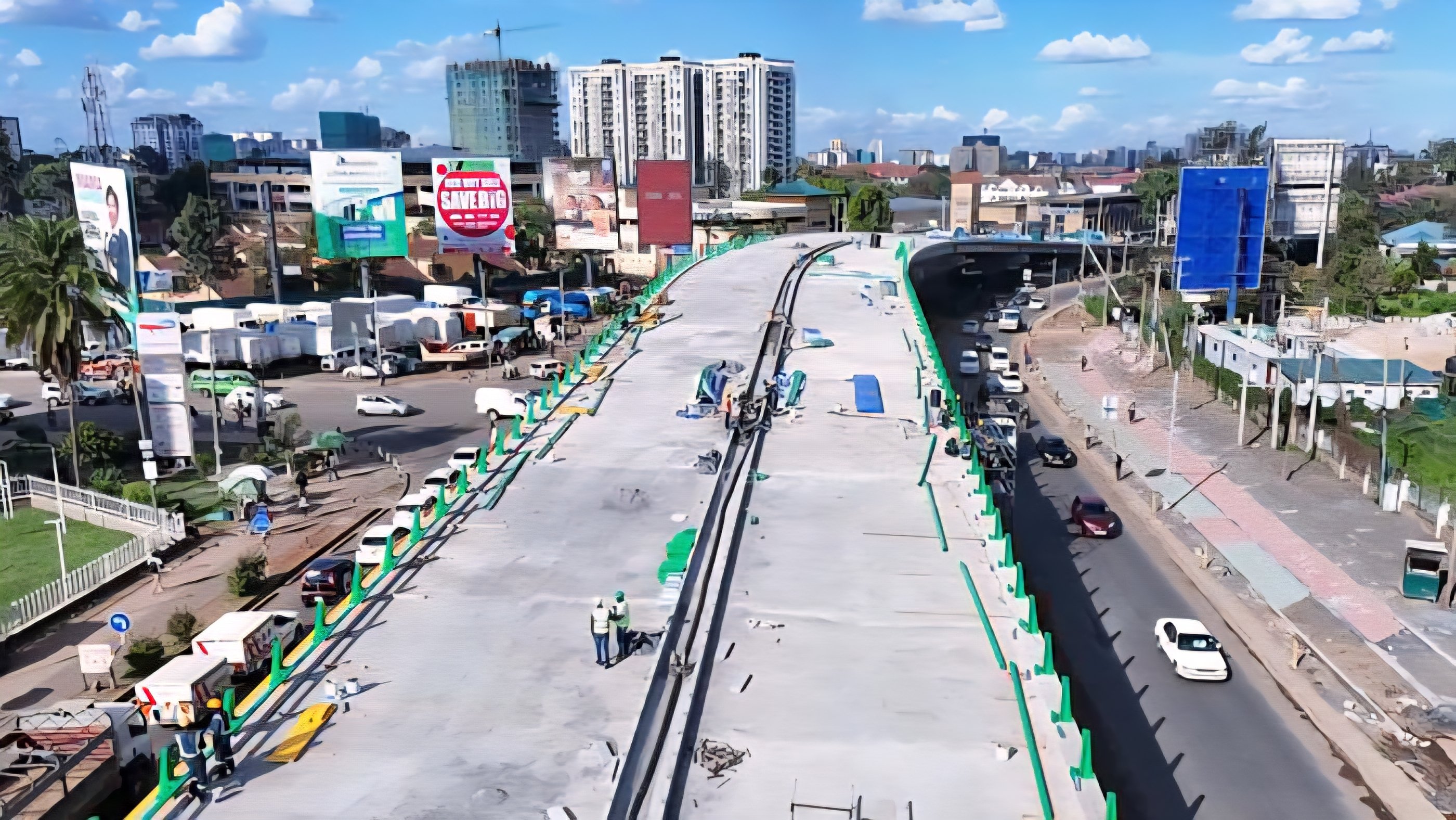
Residents of Kilimani have formally rejected a proposed Sh1.6 billion road expansion project, which seeks to widen State House Road.
The umbrella neighbourhood group warns that the massive infrastructure project will ultimately worsen traffic congestion, and damage the environment.
The Kilimani Community Foundation (KCF) presented these detailed objections in an official letter, which was addressed directly to the government.
The petition was received by the Kenya Urban Roads Authority (KURA) Director General, Silas Kinoti, following deep public dissatisfaction.
The targeted infrastructure upgrade is expected to cover the busy section between the Uhuru Highway Roundabout, and the Dennis Pritt Road junction.
According to KURA, the capital project is aimed at easing chronic traffic gridlock along one of the most vital transit corridors in Nairobi.
The state agency maintains that widening the thoroughfare will significantly improve movement for motorists, who travel into the Central Business District (CBD).
However, local community members state that several critical issues raised during a public participation meeting, which was held on February 6, 2026, remain completely unaddressed.
The KCF Board Chairperson, Irene Aguttu, stated that the residential community is deeply worried that widening the road corridor will backfire.
Aguttu noted that expanding the lane capacity may attract an even higher volume of vehicles into the area, which defeats the original purpose.
She observed that many motorists currently using State House Road are simply passing through Kilimani, as they head toward other distant neighbourhoods.
These transit motorists are often driving to destinations such as Kileleshwa, Lavington, Riverside, and other surrounding western suburbs.
The residents association argues that expanding the infrastructure will encourage more through-traffic, which makes local traffic jams far worse over time.
The foundation firmly believes that the multi-billion state project does not fully address the underlying structural causes of urban gridlock.
Instead of widening the existing lanes, the group has strongly urged the government to invest heavily in upgrading various alternative routes.
The community believes that upgrading alternative links could help distribute heavy traffic flows more effectively across the widening city network.
Among the specific corridors proposed for immediate improvement by the group are Argwings Kodhek Road, Chiromo Lane, and its connecting links.
The association also recommended the upgrade of Riverside Drive, which already carries a high volume of vehicular traffic daily.
Strengthening these alternative routes would offer motorists better choices, and reduce traffic pressure without heavily disrupting quiet residential areas.
Beyond the immediate traffic challenges, property owners have also demanded strict environmental safeguards during any future project execution.
The foundation wants engineering teams to conduct a detailed mapping of all mature trees, and protect the existing green canopy.
State House Road is widely known for its old trees, which contribute to the green character of the capital city.
The KCF has also pushed for the inclusion of dedicated cycling infrastructure, which must be safely separated from standard pedestrian walkways.
Furthermore, residents are demanding that all designs strictly adhere to universal accessibility standards, which accommodate persons with disabilities.
They want flat kerbs installed at all major intersections, and pedestrian crossings to assist parents with strollers and the elderly.
The foundation maintains that infrastructure projects must balance urban mobility needs with environmental protection, and the direct interests of local communities.
The state road authority is yet to issue a public response to the latest opposition raised by the Kilimani neighborhood.
Comments (0)
Leave a Comment
No comments yet. Be the first to share your thoughts!