
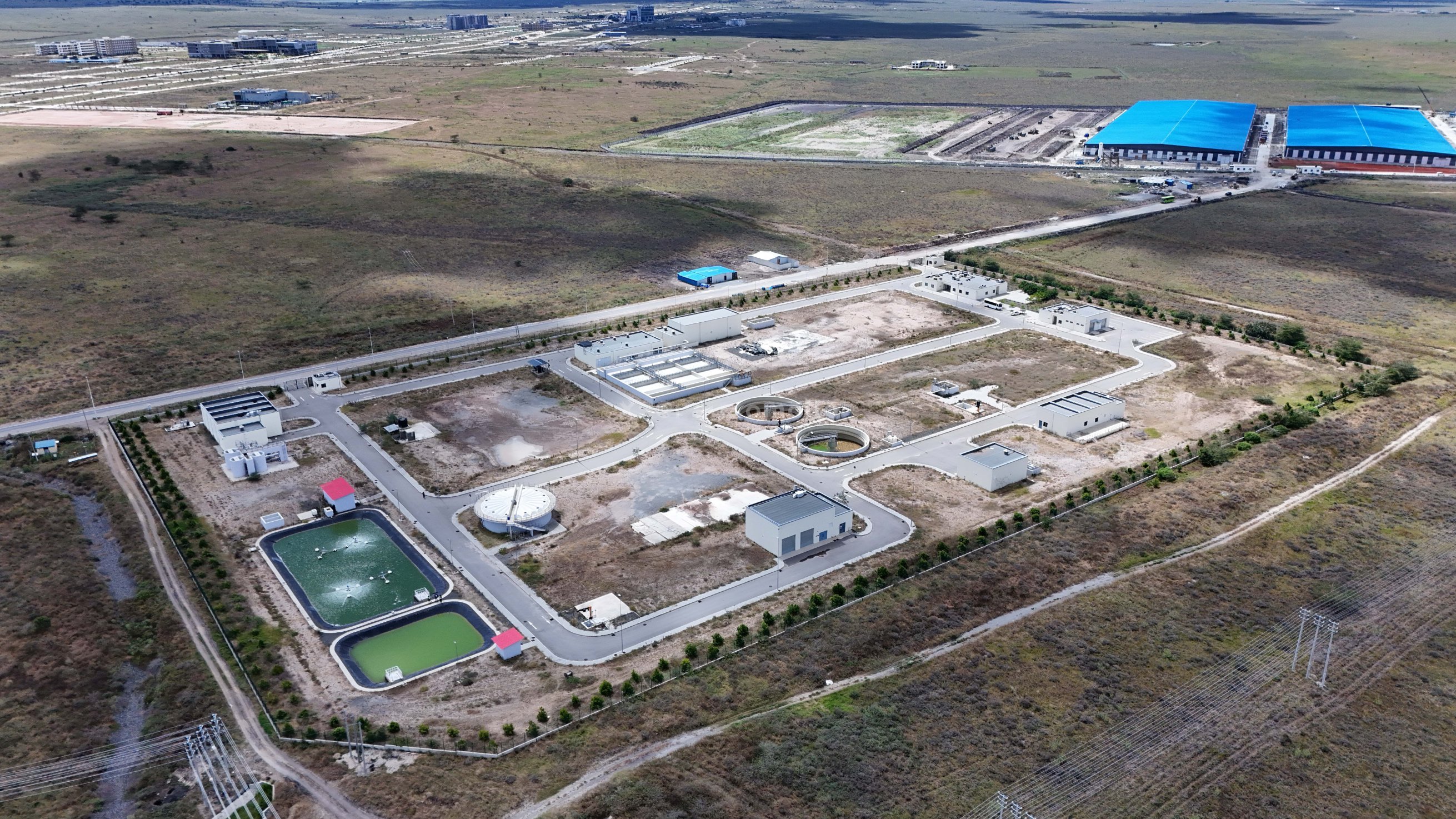

The development of infrastructure at Konza Technopolis has advanced with the operationalization of its circular wastewater recycling system. This facility forms a core part of the utilities built to service the smart city, as it expands its physical footprint.
The Konza Technopolis Development Authority (KoTDA) has prioritised sustainable utilities to support the initial phase of the city. The primary objective remains the reduction of fresh water consumption, which is achieved by recycling available liquid waste resources.
According to administrative details shared by government officials, the Water Reclamation Facility (WRF) represents a shift toward circular urban waste management. The facility processes incoming sewage, which allows engineers to recover water for productive non-potable applications.
The architectural design targets the mitigation of environmental pollution within the fragile ecosystem, which surrounds the tech hub. It ensures that resource utilization remains efficient across Phase One of the smart city development.
As the tech city grows, the facility currently relies on an interim treatment system. This setup manages the present volume of effluent, but full operations will scale up in line with physical structural developments.
Engineers designed the ultimate capacity of the facility to handle up to 6,000 cubic metres of wastewater per day. This volume accommodates the planned residential, commercial, and institutional tenants, who occupy the initial phase.
The facility relies on a Moving Bed Biofilm Reactor (MBBR) system, which uses biological processes to break down waste matter. This method injects oxygen into the effluent, which accelerates decomposition without relying heavily on harsh chemical interventions.
The resulting water is cleaned to high standards, although it is reserved strictly for specific utility needs. These include firefighting systems, green space irrigation, and dual-flushing plumbing networks across the office buildings.
The solid byproduct left after treatment, which engineers call cake, serves as an organic fertilizer. This material supports local greening efforts and agricultural initiatives, which are planned within the buffer zone.
The broader master plan includes automated waste management networks alongside the liquid waste infrastructure. These systems operate concurrently, which eliminates the need for conventional disposal methods that disrupt urban spaces.
Construction of the facility involved a detailed collaboration between the primary contractors and local specialists. Deep Builders Contractors Limited served as a sub-contractor, who executed the critical civil engineering phases of the utility complex.
The construction phase spanned a duration of 24 months, which allowed for extensive civil works, pipeline laying, and system calibration. The team installed collection systems, which include pipelines, pumps, and specialized manholes to convey raw sewage.
The facility includes sedimentation tanks, biological reactors, and disinfection chambers designed to remove pathogens. These units ensure that all effluent complies with national environmental protection standards, before any reuse or recharge takes place.
Treated water that is not immediately consumed is channeled into designated recharge ponds. These open basins allow the water to seep back into local aquifers, which stabilizes the underground water table for surrounding boreholes.
Konza Technopolis is a flagship project under the Kenya Vision 2030 delivery framework, which aims to diversify the national economy. It is situated approximately 60 kilometers southeast of Nairobi, although its buffer zone touches multiple counties.
The project aligns with the industrialization goals championed by the government under President Ruto, who continues to emphasize infrastructural self-reliance. Sustainable utility systems are central to attracting foreign and domestic tech investors, if the city is to achieve its targets.
With over 80 percent of Phase One parcels already committed to investors, the completion of reliable water infrastructure remains vital. The infrastructure helps anchor long-term commercial operations at the site.
Comments (0)
Leave a Comment
No comments yet. Be the first to share your thoughts!