
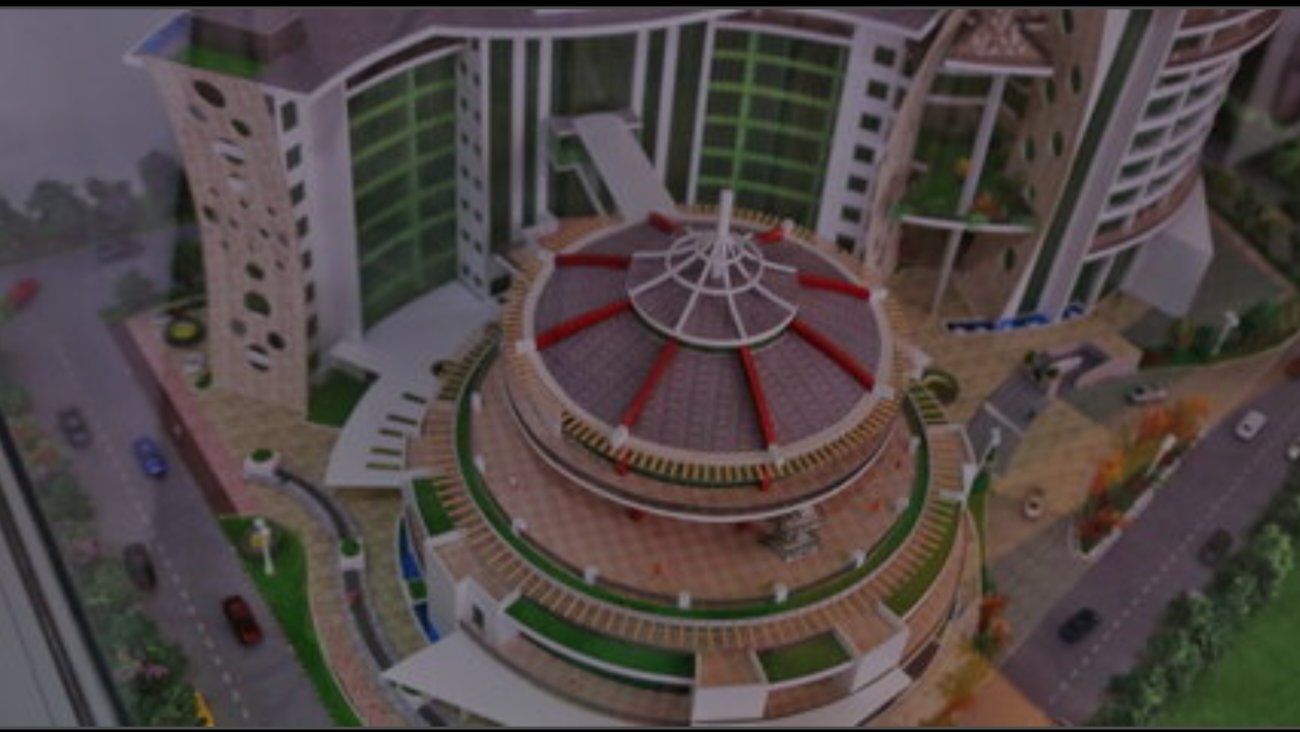

Kenya Ministry of Information, Communications and Digital Economy (MICDE) announced that the multi-billion shilling Konza Digital Media City (DMC) project moved into its design phase.
The development occupies a 160-acre parcel at Konza Technopolis, which serves as the anchor tenant for phase two of the smart-city master plan.
Principal Secretary (PS) John Tanui confirmed the transition, which follows a major bilateral financing agreement secured between Kenya and the Republic of Korea.
The financial package, finalized in June 2024, consists of a loan totaling 30.8 billion Kenya Shillings (KES) delivered via the Korea Exim Bank.
This international funding model targets urban development, infrastructure creation, and technical planning, although local engineering teams manage the physical site preparation.
Design teams are drawing up blueprints for multimedia academies, specialized software development labs, and digital innovation facilities to support local content creators.
The infrastructure plan includes commercial-grade post-production studios dedicated to digital animation, video gaming, filming, professional photography, and audio entertainment.
According to project blueprints, the specialized hub intends to host broadcasting stations, independent filmmakers, and emerging tech innovators under one integrated roof.
The technical specifications require next-generation data pathways, which link the media city directly to the existing tech infrastructure on site.
A visual reference shows that the broader ecosystem features an ultra-modern security command centre to manage municipal operations.
The government intends to leverage this infrastructure to build a top-tier digital media hub, which attracts cross-border investments into East Africa.
President William Ruto supported the project framework, when he reviewed global creative industry models during an official state visit to the United States.
The initiative falls under the Economic Innovation Partnership Program (EIPP), which facilitates structural cooperation and technology transfer between the two nations.
South Korean expert teams worked alongside local planners to establish project concepts, which align with international best practices for science parks.
The media city relies heavily on the Konza National Data Centre (NDC), which offers localized cloud services like Infrastructure as a Service (IaaS).
The state allocated 200 million shillings in the current budget for the data centre, which assists in deploying artificial intelligence systems.
The Kenya Revenue Authority (KRA) also planned a two billion shilling backup facility at the technopolis to secure critical tax infrastructure.
The design phase runs concurrently with legislative shifts, following the enactment of the Technopolis Bill of 2024 by the national government.
The new law provides a clear legal framework for tech-driven enterprises, which clarifies governance and streamlines public-private partnerships across counties.
Konza Technopolis Development Authority (KoTDA) oversees the master-planned city, which covers 5,000 acres of land along the busy Mombasa Road.
The site is located 60 kilometers southeast of Nairobi, where it aims to contribute at least two percent to national gross domestic product.
Civil works and primary infrastructure for phase one are largely completed, which allows planners to focus on specialized facilities like the media hub.
Planners are also integrating green building standards and water management systems, which match the sustainability goals of the wider smart city.
The procurement process for associated infrastructure continues, with recent tenders covering data centre maintenance and integrated marketing and public relations agency services.
The Ministry expects the finalized designs to guide the next phase of physical construction, which will generate direct jobs for local engineering firms.
Comments (0)
Leave a Comment
No comments yet. Be the first to share your thoughts!