
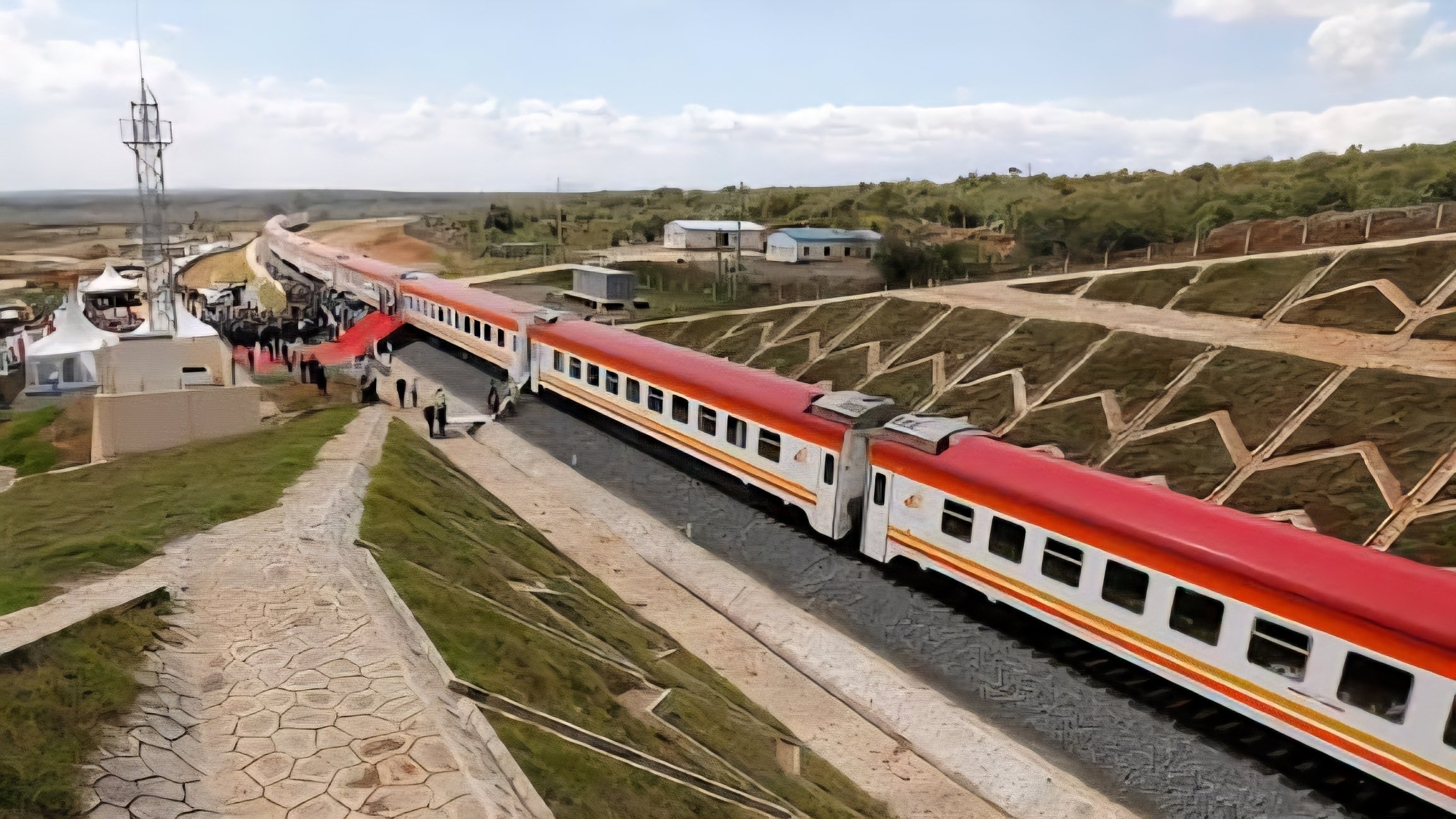

Kenya Railways and the National Land Commission have initiated the formal land acquisition process for the Standard Gauge Railway extension from Naivasha to Kisumu. This development marks the start of the pre-construction phase for Phase 2B, a project intended to extend the modern rail network from its current terminus at Suswa. Officials held the first major public forum with project-affected persons in Kisumu this week to outline the procedures for identification, surveying, and valuation of land parcels required for the rail corridor.
The 263.7-kilometre alignment will follow a southern route, a path selected after a technical review favoured its engineering feasibility over alternative northern options. This corridor is expected to pass through Narok, Bomet, Kericho, and Nyamira before terminating in Kisumu. The choice of the southern route is reportedly aimed at reducing construction costs by approximately Sh99 billion, as it encounters fewer seismic zones and geographical faults within the Rift Valley.
Current estimates place the cost of Phase 2B at Sh380 billion. The government has indicated that financing will be secured through a combination of public funds, the Railway Development Fund, and partnerships with external development entities. This strategy follows the signing of an addendum to the commercial contract in late 2025 by Roads and Transport Cabinet Secretary Davis Chirchir and representatives from the China Communications Construction Company.
During the public engagements, the National Land Commission confirmed that compensation for landowners will be guided by market-based assessments and existing land laws. The commission is tasked with managing the compulsory acquisition process to ensure the right way is secured before heavy machinery is deployed. Beyond the main line, the project includes an 8.69-kilometre spur linking the main Kisumu station to the Kisumu Port, which has recently undergone its own refurbishment to handle increased regional cargo.
The technical specifications for the Naivasha-Kisumu line include the construction of 25 stations. These are comprised of six primary intermediate stations located in Narok, Mulot, Bomet, Sondu, Ahero, and Kibos, alongside 18 passing stations. A dedicated locomotive depot is also planned for Kisumu to facilitate technical inspections, refuelling, and maintenance. Once operational, freight trains are expected to reach speeds of 80 kilometres per hour, while passenger services are designed for 120 kilometres per hour.
This extension is part of a broader 489-kilometre plan that eventually seeks to connect Kisumu to Malaba at the Uganda border. By extending the SGR to the lakeside city, the government intends to enhance the efficiency of the Northern Corridor, providing a high-capacity link for goods moving from the Port of Mombasa to landlocked neighbours in East Africa. The commencement of land acquisition follows a directive from President William Ruto to prioritise the completion of the western rail circuit to improve regional logistics.
Construction of the line is expected to generate significant local employment, with previous phases of the SGR project having engaged thousands of workers and hundreds of local contractors. The state department for transport has indicated that the project will be developed in tandem with regional rail initiatives in Uganda and South Sudan to ensure a seamless cross-border network.
Comments (0)
Leave a Comment
No comments yet. Be the first to share your thoughts!