
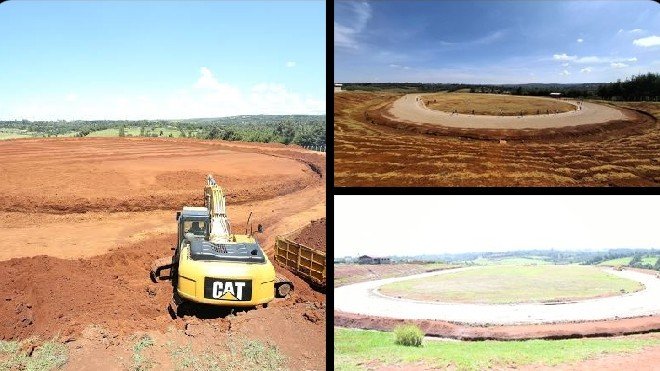

Nakuru County, despite being one of the key urban centers in Kenya, still lacks a fully operational international stadium or a standard sports facility. Sports enthusiasts and athletes in the county have had to make do with facilities that are either incomplete, under renovation or long stalled, limiting the growth of sports in the region.
Afraha Stadium, one of the main sports grounds in Nakuru, has undergone a series of upgrades, but the facility is not yet fully operational. The renovation work, which was aimed at bringing the stadium up to modern standards, has faced delays and logistical challenges. This has left the stadium unable to host major events or meet the requirements of professional leagues. Locals and sports teams continue to wait for the completion of the upgrades so that the stadium can serve as a central hub for athletics and football matches.
Another project in Nakuru, the Olenguruone Stadium, has experienced even longer delays. Construction on the stadium began several years ago, but progress has been slow and inconsistent. The project has been stalled for a long time and this has frustrated both residents and the sports community who had hoped for a reliable venue for sporting events. Despite being earmarked for significant investment, the stadium remains incomplete, highlighting the challenges of project management and timely delivery in the county’s sports infrastructure.
The Keringet High Altitude Training Centre, designed to serve athletes needing high-altitude conditions for endurance training, is another major project that remains unfinished. Started in 2021 under the UhuRuto administration, the facility was allocated Ksh 1.2 billion for construction. However, more than two years later, the centre is still incomplete. Athletes who could benefit from specialized high-altitude training facilities continue to travel to other regions, missing out on a homegrown option. Both political leaders and local authorities have yet to see the project completed, leaving questions about oversight, funding, and management unanswered.
In total, close to Ksh 3 billion has been spent on upgrading and renovating the various sports facilities in Nakuru. Despite this significant investment, the county still lacks a fully operational stadium or a venue that meets international standards. The delays and incomplete projects have not only affected athletes but also limited opportunities for hosting regional and national sports events. This, in turn, affects the local economy, as sports tourism and related activities could generate revenue for Nakuru County.
Residents have expressed frustration over the lack of accountability and clear timelines for these projects. While promises have been made at different stages of development, tangible results remain scarce. Afraha Stadium, Olenguruone Stadium, and the Keringet High Altitude Training Centre were all intended to elevate sports in Nakuru, but continued delays have left the community wondering when these facilities will finally be ready for use.
The situation also highlights the broader issue of sports infrastructure in Kenya. Many counties face similar challenges, where large investments are made but the execution falls short due to delays, stalled projects, or incomplete work. For athletes, coaches and sports administrators, this has meant relying on temporary or inadequate facilities. For the youth, who could have benefited from improved training grounds and competitive platforms, opportunities remain limited.
Looking ahead, completing these projects should be a priority. Finishing the Keringet High Altitude Training Centre, for example, would offer local athletes a worldclass venue for endurance training, while fully operationalizing Afraha and Olenguruone stadiums would allow Nakuru to host national and regional tournaments. Proper oversight, timely allocation of resources and accountability from both county and national authorities are key to ensuring that the money already spent translates into functional and beneficial sports facilities.
In conclusion, Nakuru County stands at a crossroads when it comes to sports development. Significant investments have been made, yet the county still lacks functional, high standard stadiums and training facilities. Completing the existing projects is crucial not only for athletes but also for the community, local businesses and the county’s profile in national sports. With focused leadership and follow through, Nakuru could transform its sports infrastructure from a series of stalled projects into a set of facilities that inspire athletes and support sporting excellence.
Comments (0)
Leave a Comment
No comments yet. Be the first to share your thoughts!