

Nairobi is reinforcing its position as a primary African emerging market with the progression of the Railway City project, a venture designed to reshape the capital into a high-end business and technology center. The development focuses on 438 acres of underutilized land adjacent to the Central Business District, targeting sectors including finance, real estate, and infrastructure.
The project is a central component of the national strategy for urban regeneration. It seeks to balance social requirements with economic returns by establishing a sustainable, transit-oriented hub. Government officials have emphasized that the initiative is of strategic national importance, noting that there is no turning back on the construction.
Central to the development is the modernization of the historic Nairobi Central Railway Station. The facility is being upgraded to handle a projected daily footfall of 400,000 passengers by 2030, with capacity expected to reach 600,000 by 2045. This expansion integrates the existing rail network with a new Bus Rapid Transit system to alleviate chronic traffic congestion within the city.
The economic impact is expected to be immediate, with the project slated to create 5,000 jobs during the construction phase. An additional 5,000 employment opportunities are anticipated during the initial operational stage. Beyond labor, the project will introduce 500,000 square feet of office space intended for government agencies, non-governmental organizations, and corporate entities.
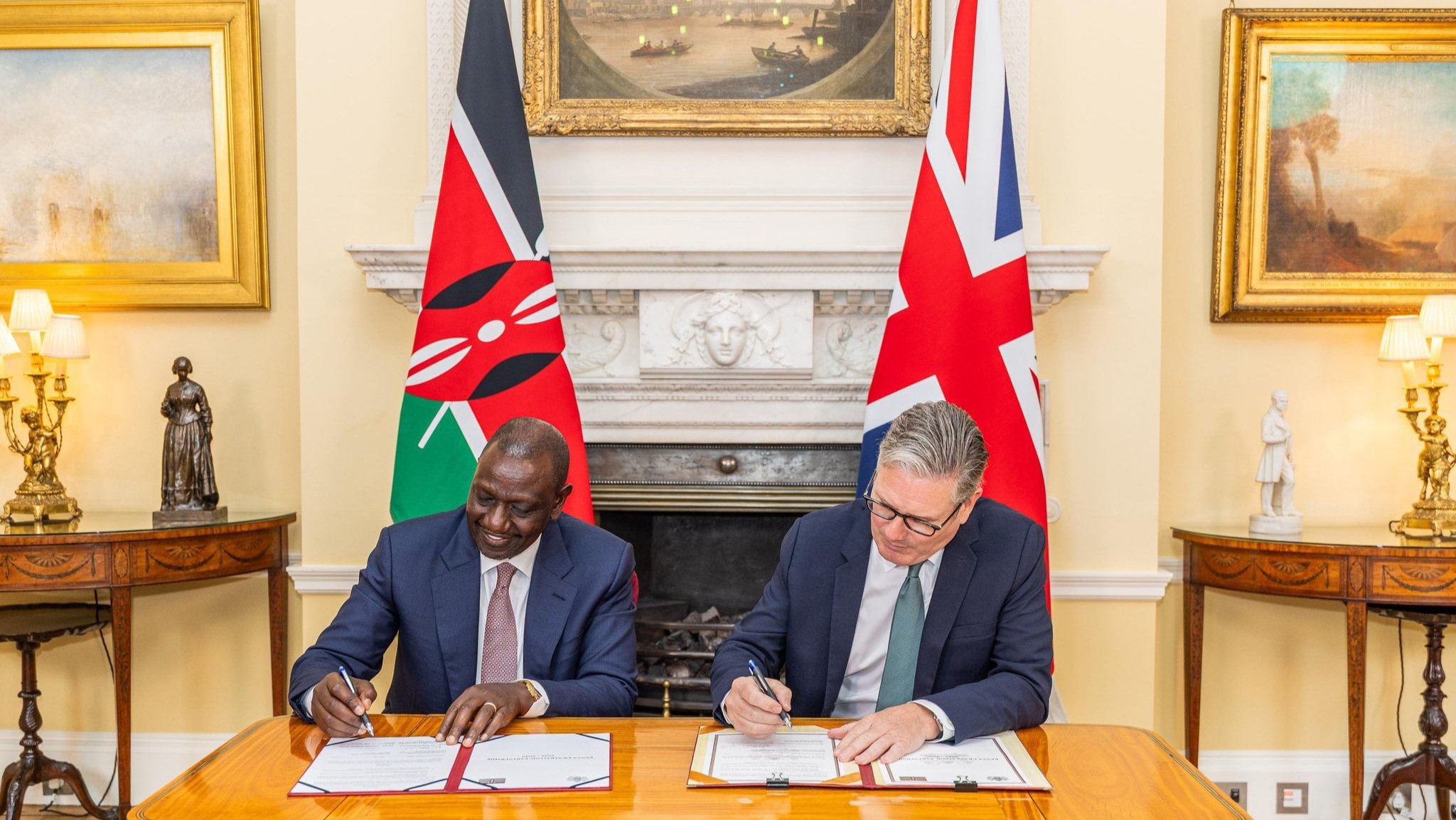
The United Kingdom remains a key partner in this infrastructure development. Prime Cabinet Secretary Musalia Mudavadi recently held discussions in London with UK Export Finance regarding the project. These talks focused on procurement for consultants and contractors to oversee the station's reconstruction, drawing inspiration from international models like the King’s Cross transport hub.
While Nairobi does not yet rival top-tier global hubs like London or Singapore, the Railway City is intended to elevate its status as a rising investment destination. The plan includes the development of public plazas, hotels, and a commercial core precinct designed for international diplomacy and business events.
President Ruto has consistently backed the project as a milestone for Kenya’s Vision 2030. By restructuring the central business district and expanding its boundaries, the government aims to stimulate real estate development and provide a modern face for the city. Environmental considerations are also integrated, with plans to convert current parking areas into public parks and recreational spaces.
Comments (0)
Leave a Comment
No comments yet. Be the first to share your thoughts!