
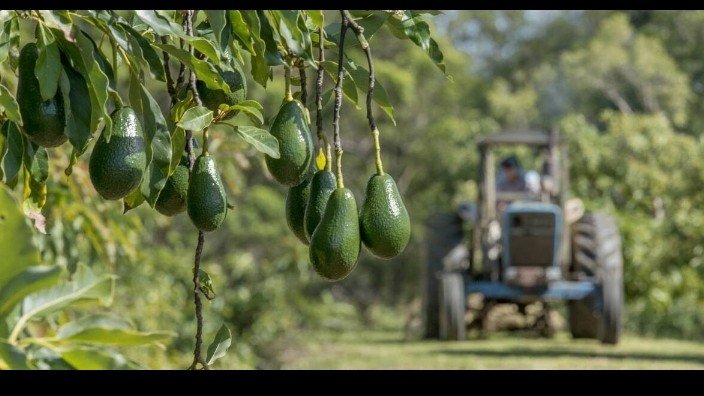

The Supreme Court of Kenya has ended a lengthy legal battle over a large avocado farming project near Amboseli National Park. On January 30, 2026, a five judge bench led by Chief Justice Martha Koome dismissed KiliAvo Fresh Ltd.’s final appeal, upholding the revocation of the company’s environmental licence by the National Environment Management Authority (NEMA). The decision means the project, which covers roughly 180 acres in Kajiado County, can no longer operate legally.
The project began around 2020 when the company cleared land and planted avocados in the Kimana area, part of the community conservancies east of Amboseli. This zone is a crucial wildlife corridor, particularly for elephants moving between the national park and surrounding areas. Local communities, conservation groups and tourism stakeholders quickly raised concerns, warning that large scale farming could disrupt animal movement, deplete water resources and harm an already fragile dryland ecosystem.
Initially, NEMA granted KiliAvo a licence, but following complaints, the authority reviewed its decision. In 2021, the licence was revoked due to failures to meet environmental standards and the potential ecological damage. KiliAvo repeatedly challenged the revocation, arguing that the farm would bring jobs, boost exports and follow proper procedures. Despite several rounds in lower courts, the company lost each case. The Supreme Court ruling represents its fifth defeat, closing off further legal avenues.
Conservationists have welcomed the ruling. Organizations such as the Big Life Foundation hailed it as an important step in protecting Amboseli’s wildlife corridors. Avocado farming requires significant irrigation, which can compete with natural water needs in an area where rainfall is low and unpredictable. By halting the project, the court helps preserve habitat for wildlife and supports Maasai communities that depend on livestock and eco tourism for their livelihoods.
The project targeted export markets, reflecting Kenya’s growing commercial avocado sector. While such farming brings foreign exchange and employment in some areas, it also raises questions about land use in environmentally sensitive regions. In this case, courts prioritized conservation over commercial interests. The land lies outside the national park but remains critical to the wider ecosystem, which includes community-managed conservancies.
NEMA now has the authority to enforce its decision, meaning all farm operations must cease. Details on the removal of existing plants or compensation remain unclear. For KiliAvo, the ruling brings financial uncertainty after years of investment in land preparation, seedlings and infrastructure. Some supporters had hoped the project could serve as a model for sustainable agriculture near protected areas, but the courts disagreed.
The case highlights the ongoing tension between development and conservation in Kenya. Many rural areas face similar dilemmas: pursue economic projects or protect the environment. Amboseli’s global importance as a wildlife destination makes such decisions particularly critical. Tourists come to see large elephant herds with Mount Kilimanjaro as a backdrop, and major environmental changes could affect this appeal. The ruling reinforces the importance of environmental laws in guiding land use where biodiversity is at risk.
Local reactions are mixed. Some residents near the farm may lose potential jobs, while others welcome the protection of grazing lands and wildlife that sustain tourism income. Conservation efforts in the region often involve partnerships between government, NGOs and communities to strike a balance. The avocado farm saga demonstrates how legal processes can resolve conflicts when dialogue alone is insufficient.
Looking ahead, the Supreme Court ruling sets a precedent for future projects in ecologically sensitive areas. Investors are reminded to conduct thorough environmental impact assessments and consult stakeholders early. For Amboseli, the decision allows continued focus on wildlife friendly land management, community based tourism, and long term ecosystem health, providing much needed breathing room in a region under pressure from human activity and climate change.
Comments (0)
Leave a Comment
No comments yet. Be the first to share your thoughts!