
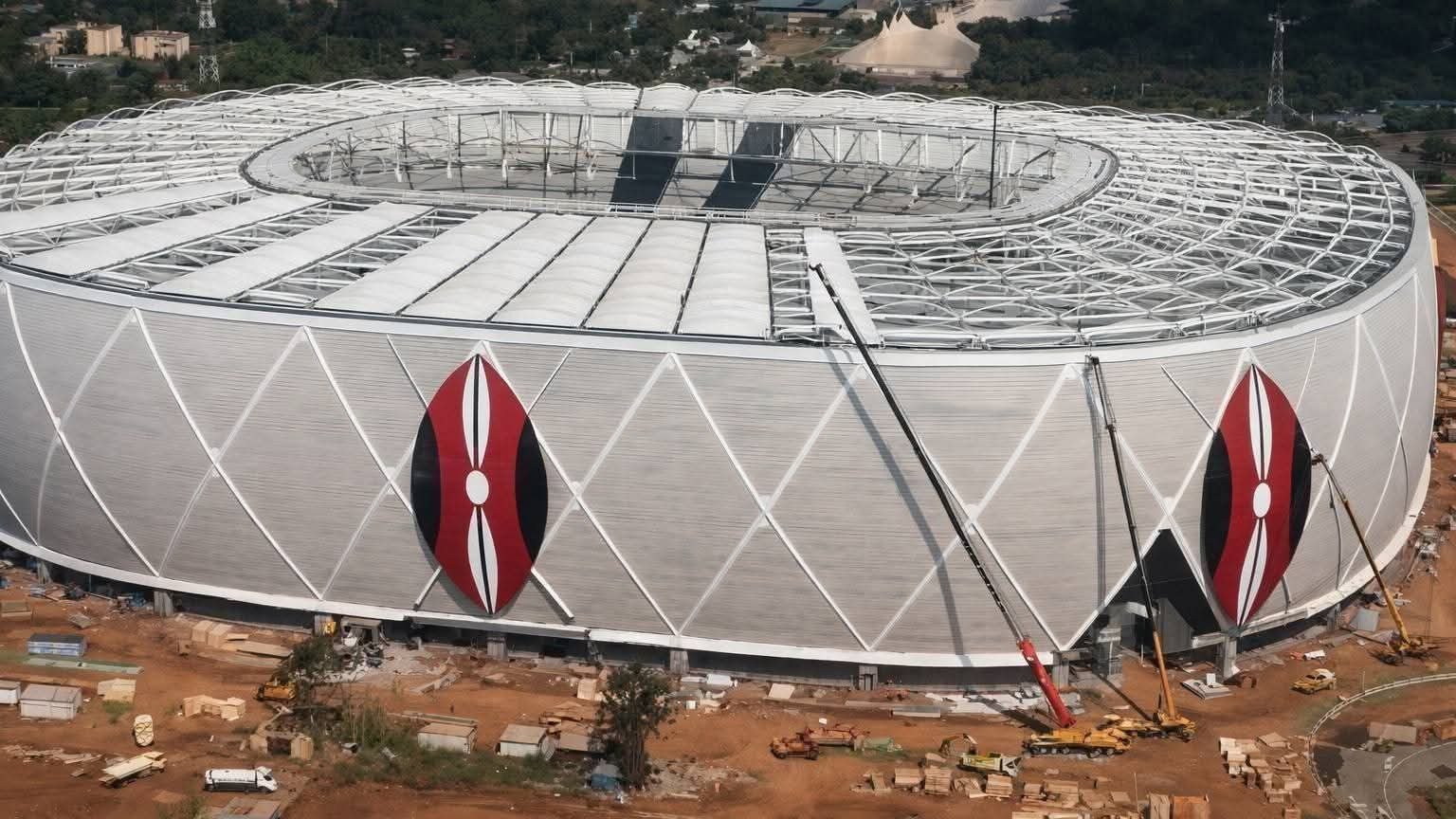

Engineers and infrastructure commentators have noted that while the rapid pace of construction is a positive indicator for the 2027 Africa Cup of Nations preparations, the long-term viability of the stadium depends on specialized upkeep. The specialized materials used for modern roofing and the intricate shield elements on the exterior require a dedicated lifecycle budget to prevent the rapid deterioration often seen in large-scale public sporting assets.

The Ministry of Sports and the Ministry of Defence, which is supervising the project, have targeted February 2026 for full operational readiness. Current works involve finishing the interior VIP skyboxes and establishing the surrounding infrastructure, including dedicated road links and a railway connection. The project is being executed by the China Road and Bridge Corporation under a financing model that utilizes an infrastructure asset-backed security on the Nairobi Securities Exchange.

Unlike older venues in the city, this stadium is built exclusively for football and rugby without a traditional running track. This design focus brings spectators closer to the pitch but also introduces specific maintenance demands for the specialized grass surface and high-specification spectator areas. Ensuring these standards remain consistent throughout the facility's service life is now a focal point of discussion as the handover date approaches.

Recent updates from the Ministry of Sports indicate a strategy to involve the original contractors in a transitional maintenance phase. This proposed arrangement seeks to leverage the technical expertise of the Chinese engineering teams to oversee the facility's complex systems while a permanent management body is established. This approach aims to avoid the common pitfall of a maintenance vacuum immediately following the high-intensity construction period.
Comments (0)
Leave a Comment
No comments yet. Be the first to share your thoughts!