

The story of the man-eaters of Tsavo remains one of the most remarkable chapters in the history of Kenya's railway network. Kenya Railways highlighted the historical ordeal through social media channels, recalling how project sites descended into chaos over a century ago.
During the construction of the Meter Gauge Railway (MGR) through Tsavo in 1898, two rogue lions became infamous for attacking railway workers.
These relentless predators disrupted construction activities and delayed progress significantly across the wilderness. Fear gripped the workforce, halting labor on the crucial infrastructure link for extended periods.
Project managers struggled to maintain safety as the lions bypassed traditional barriers to target human camps. British engineer John Henry Patterson led efforts to track and eliminate the man-eating beasts after dozens of workers lost their lives.
The historic disruption remains a defining dark chapter in East African engineering lore. Modern infrastructure projects across the region now incorporate advanced security measures to protect personnel from wildlife conflicts.
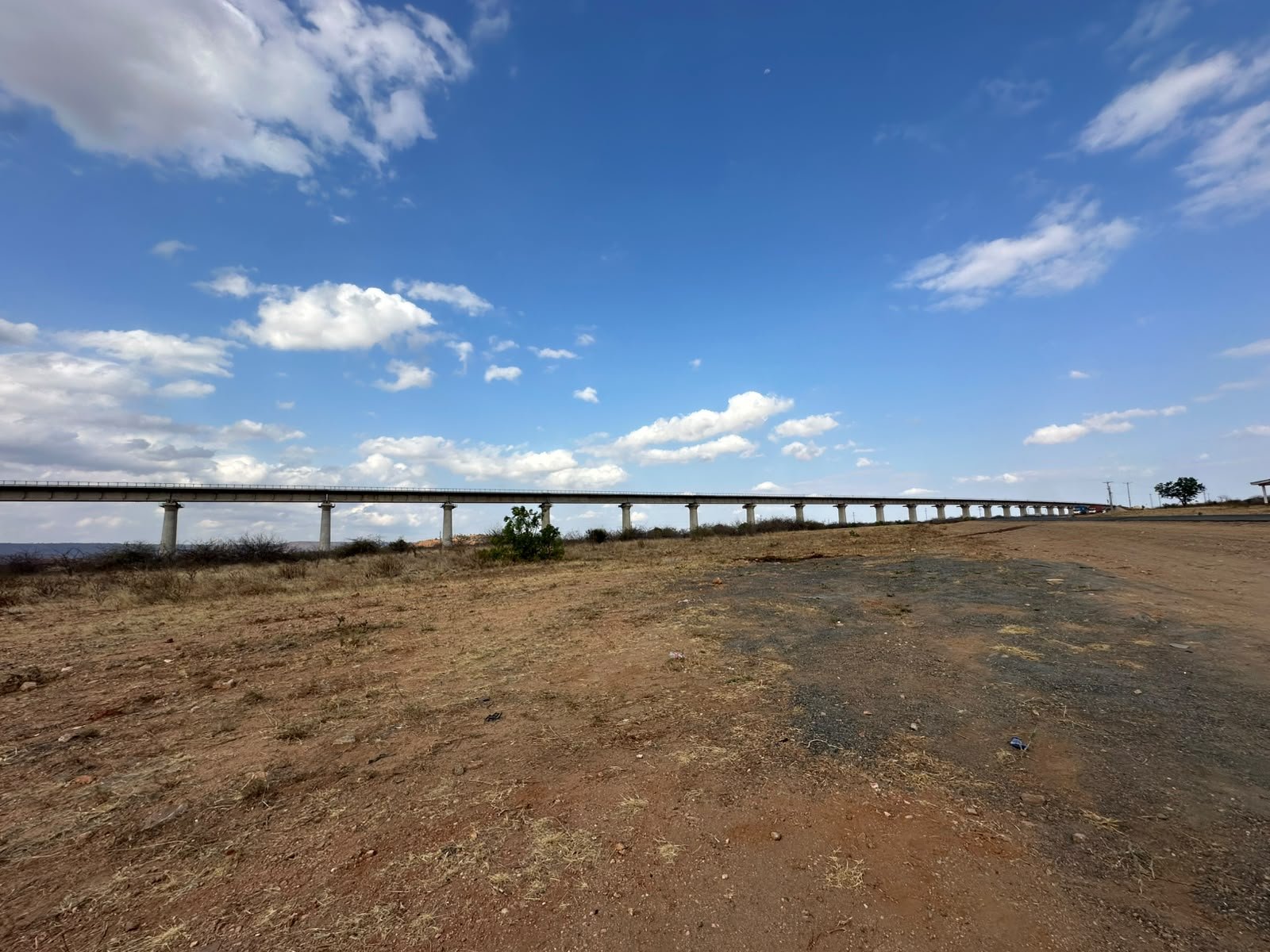
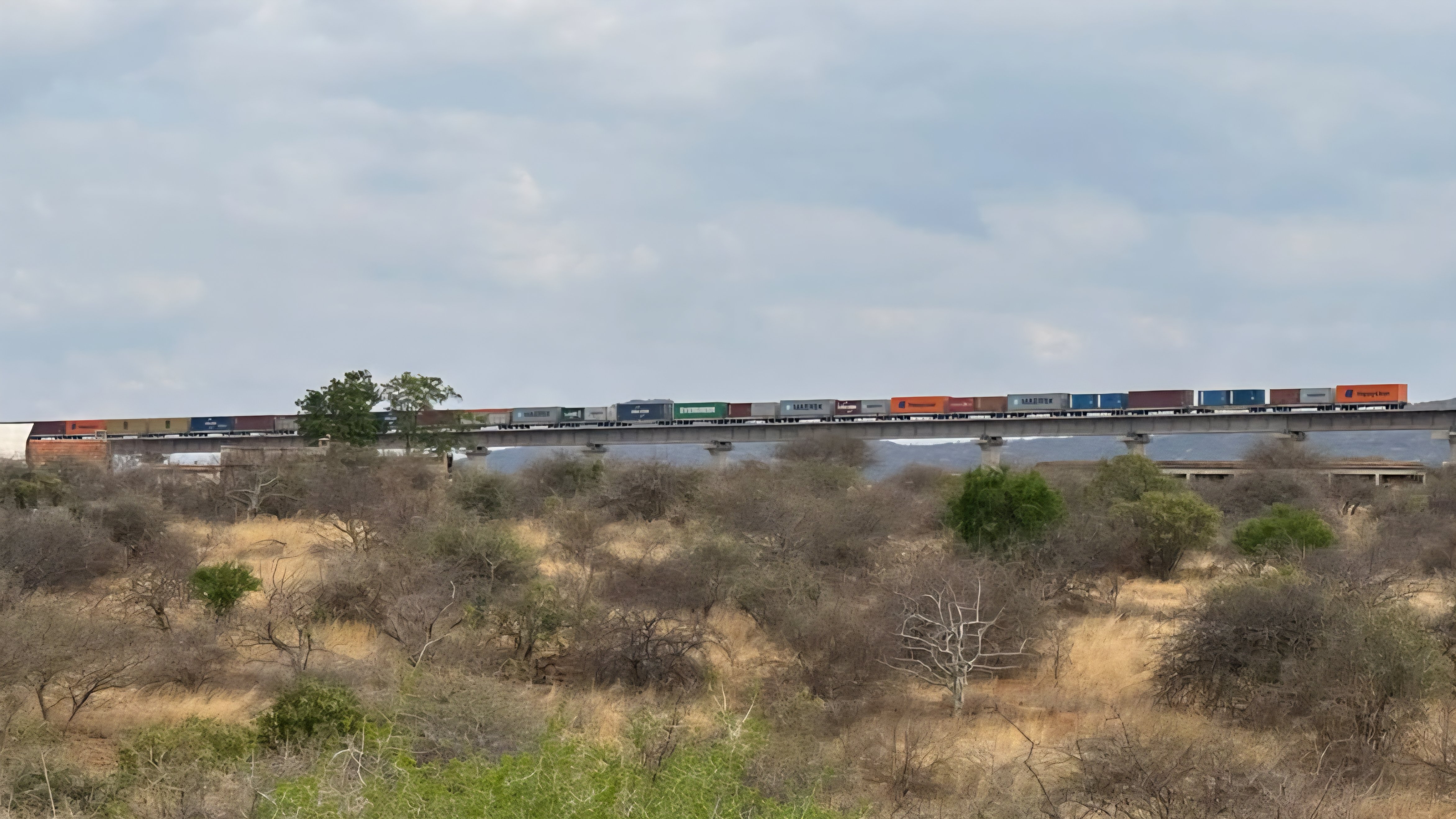
Today, freight and passenger trains cross the same arid landscape via modern tracks, including the Standard Gauge Railway (SGR).
Additional archival records indicate that the logistical strain on colonial administrators reached critical levels as workers deserted the camps en masse. Medical supplies were severely limited, compounding the tragedy of the fatal maulings that occurred under the cover of darkness.
British authorities faced intense pressure from London to resume the vital link connecting the Indian Ocean port of Mombasa to Lake Victoria.
Construction crews eventually resumed work only after extensive fortification of the sleeping quarters using thorn fences and campfires. Patterson's prolonged hunt culminated in the eventual shooting of both animals, neutralizing the immediate threat to the railway expansion.
The legacy of the 1898 attacks continues to fascinate historians, wildlife experts, and rail enthusiasts worldwide. Kenya Railways frequently shares archival milestones to educate the public on the immense human cost behind early rail development.
Building the original colonial-era route required crossing harsh terrain plagued by natural hazards and engineering bottlenecks.
Laborers faced extreme hardships, ranging from tropical diseases to aggressive wildlife encounters in the unforgiving bushland. These historical accounts underscore the stark contrast between nineteenth-century labor conditions and modern engineering standards.
Engineering teams working on contemporary transport corridors utilize fully enclosed camps and modern vehicles to mitigate wildlife threats entirely.
The transformation of the Tsavo transport corridor reflects broader advancements in regional infrastructure protection and worker safety protocols.
Modern freight locomotives now traverse the Tsavo ecosystem daily, maintaining supply chains without human-wildlife friction. Kenya Railways preserves these historical narratives to honor the early workers who laid the foundation for the nation's transport network.
The enduring tale of the Tsavo man-eaters serves as an enduring reminder of the perils faced by early infrastructure pioneers.
Scholarly analyses published over the decades have consistently examined the physiological abnormalities of the lions, including dental damage that likely forced them to target humans instead of natural prey.
Museum exhibitions in foreign institutions continue to house the preserved pelts and skulls of the infamous animals, drawing international academic scrutiny.
Environmental researchers also utilize the historical incident to study predator behavior shifts in regions experiencing sudden human encroachment.
Local communities surrounding the national park still recount the folklore passed down through generations regarding the relentless beasts of the Tsavo riverbanks. These cultural memories ensure that the immense sacrifices embedded within the railway's foundation are never forgotten by modern travelers.
Comments (0)
Leave a Comment
No comments yet. Be the first to share your thoughts!