
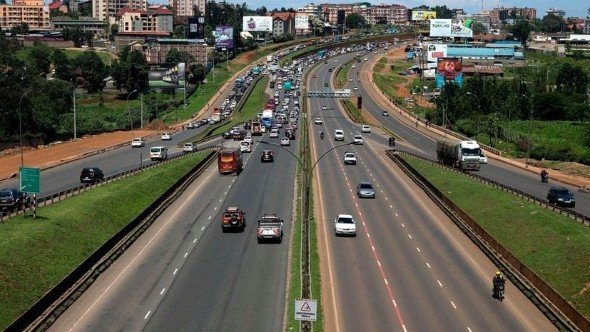

The Thika Superhighway, also known as the A2 road, is one of the most recognized infrastructure projects in Kenya. Completed in 2012, the road links Nairobi’s Central Business District with Thika town and passes through areas such as Pangani, Muthaiga, Kasarani, Roysambu, Kahawa and Juja. When it was opened, the highway was seen as a major step toward reducing traffic congestion in Nairobi. It also showed the country’s ability to complete large transport projects that could support economic growth. In the early years, travel time between Nairobi and Thika reduced significantly and movement along the corridor became easier. However, over time, traffic congestion has gradually returned, leading some planners and transport experts to describe the highway as only a short term solution to a deeper transport challenge.
One reason for this is a concept known as induced demand. When a new road is built or an existing one is expanded, traffic often improves at first because vehicles can move faster and more smoothly. This improvement attracts more drivers who may have previously avoided the road. Some people also decide to drive more often because the route appears faster and more convenient. As a result, the number of vehicles using the road increases. Over time, this additional traffic can fill the available road space, bringing back congestion. The Thika Superhighway has experienced this pattern, especially during morning and evening peak hours when traffic volumes are high.
Another factor is the growing dependence on private vehicles. Nairobi’s population has increased quickly in the past decade, and the number of cars on the road has also grown. Expanding roads without strengthening public transport means many commuters continue to rely on private cars or smaller public service vehicles such as matatus. Roads alone cannot keep up with the transport needs of a rapidly growing city. Many urban planners believe that strong public transport systems are necessary to move large numbers of people efficiently. Options such as commuter rail services, Bus Rapid Transit systems and other high capacity transport networks can reduce the number of private vehicles on the road.
Development along the Thika corridor has also increased the number of daily commuters. After the highway was completed, land along the route became more attractive for housing, business, and education institutions. Residential estates, shopping centers, and universities expanded in areas such as Roysambu, Kahawa, Ruiru, and Juja. These developments brought economic opportunities and encouraged people to move to these areas because they were connected to Nairobi by a modern highway. However, this growth also increased the number of people traveling to and from the city each day, placing more pressure on the road.
The structure of the surrounding road network also affects how traffic flows. While the Thika Superhighway has several lanes that allow vehicles to move quickly, many of the roads connected to it are smaller and cannot handle the same volume of traffic. When vehicles exit the highway and enter these narrower roads, congestion often occurs. Places such as Pangani and the approach toward Nairobi’s city center experience traffic build up because the road network around them struggles to distribute the vehicles coming from the highway.
Another challenge is the issue of last-mile connectivity. Even if commuters travel quickly for most of their journey on the highway, they often face delays once they leave it and head toward their final destinations. Without well developed feeder roads, organized public transport connections, and safe walking routes, the benefits of a large highway can be limited. A transport system works best when major roads, smaller roads and public transport services are planned together.
Urban expansion is another effect linked to large highways. Improved roads make it easier for people to live farther away from city centers where housing may be more affordable. This can lead to cities spreading outward as new residential areas are developed. While this growth creates opportunities, it also increases travel distances and encourages greater use of vehicles. Longer journeys can lead to higher fuel use and greater pressure on transport infrastructure.
Despite these challenges, the Thika Superhighway has brought clear benefits. It improved travel times when it was introduced and helped open new areas for investment and development. Businesses, schools and residential estates expanded along the corridor, contributing to economic activity in the Nairobi metropolitan region. The project also demonstrated that large transport projects can be completed and managed, which has influenced later developments such as the Nairobi Expressway and ongoing plans for Bus Rapid Transit lines.
The experience of the Thika Superhighway shows that road expansion alone cannot fully solve traffic problems in large cities. While highways help improve movement in the short term, long term solutions usually require a broader transport strategy. This includes improving public transport systems, planning urban development carefully and supporting safe walking and cycling routes. Combining these approaches can help reduce pressure on major roads and create a more balanced transport network.
For Nairobi, the highway remains an important part of the city’s transport system. At the same time, it also highlights the need for coordinated planning as the city continues to grow. A mix of road infrastructure, efficient public transport and better urban planning will likely be necessary to manage future travel demand and improve mobility for residents.
Comments (0)
Leave a Comment
No comments yet. Be the first to share your thoughts!