

Modern medical facilities cannot function without continuous access to clean water, making dedicated on-site storage an absolute necessity for patient safety. Severe weather events and failing municipal grids increasingly threaten central water supplies, forcing healthcare administrators to rethink their backup utility infrastructure.
Without extensive backup supply systems, a sudden drop in municipal water pressure can cripple daily hospital operations within minutes. Central sterile processing departments rely heavily on steady, high-pressure water feeds to clean surgical instruments, meaning a cutoff halts surgeries entirely.
Dialysis units, diagnostic laboratories, and cooling towers for vital medical machinery also demand an uninterrupted volume of water to remain functional. To prevent widespread operational failure, engineers are prioritizing large-scale structural water reservoirs directly beneath or adjacent to new clinical towers.
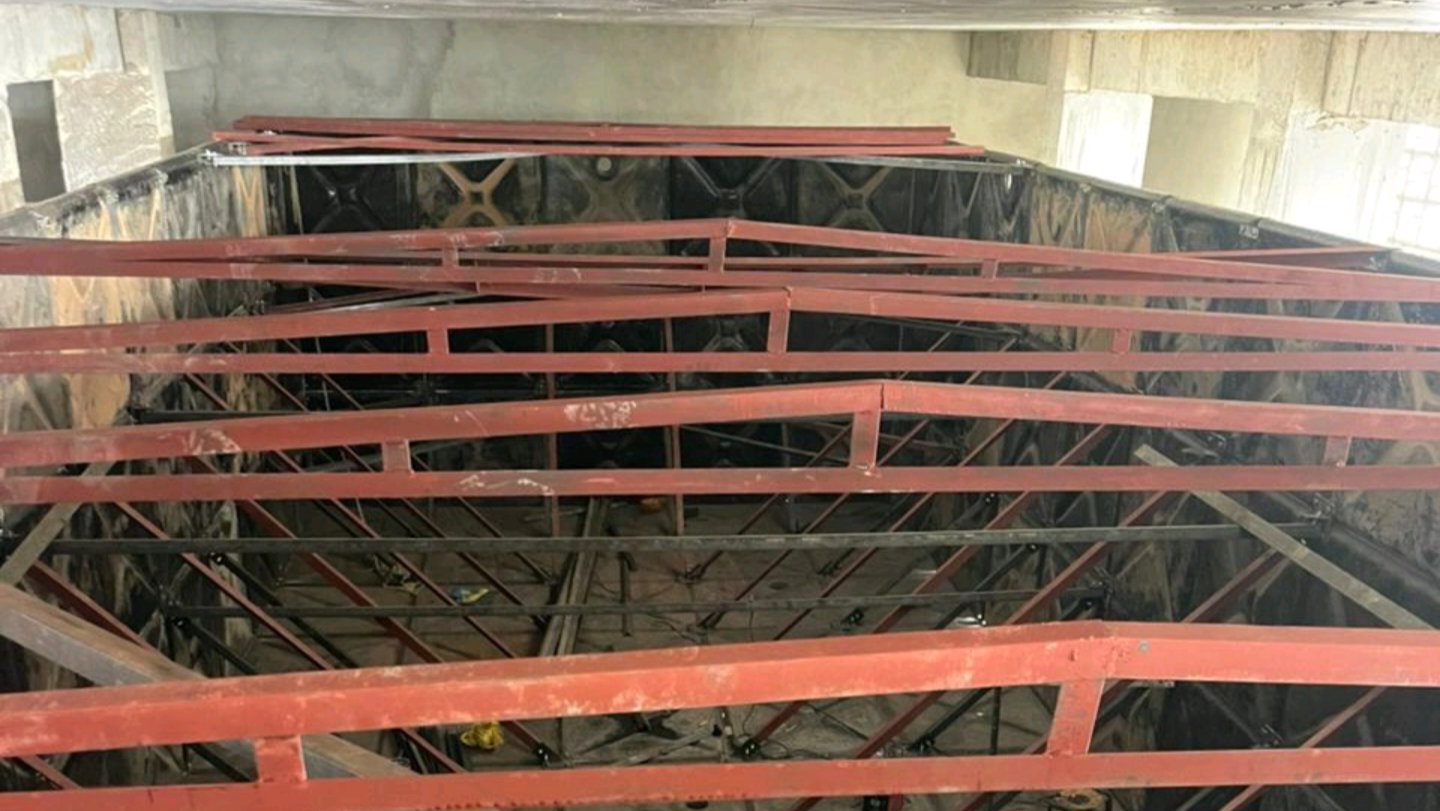
The structural demands of these facilities are evident in projects utilizing specialized engineering frameworks, such as the open truss configuration. These industrial reservoirs require robust internal supports to manage shifting fluid dynamics and substantial structural loads, while maintaining airtight containment.
Building resilient water storage involves intricate engineering to safeguard water quality over extended periods, preventing stagnant fluid from harboring dangerous pathogens. Specialized internal liners, continuous circulation loops, and automated filtration systems must be integrated into the reservoir design to keep emergency reserves potable.
As climate risks increase, structural engineers and healthcare architects view these massive storage assets not as secondary backups, but as core structural elements. Securing independent water reserves is now just as critical as installing emergency diesel generators for uninterrupted medical care.
Comments (0)
Leave a Comment
No comments yet. Be the first to share your thoughts!