
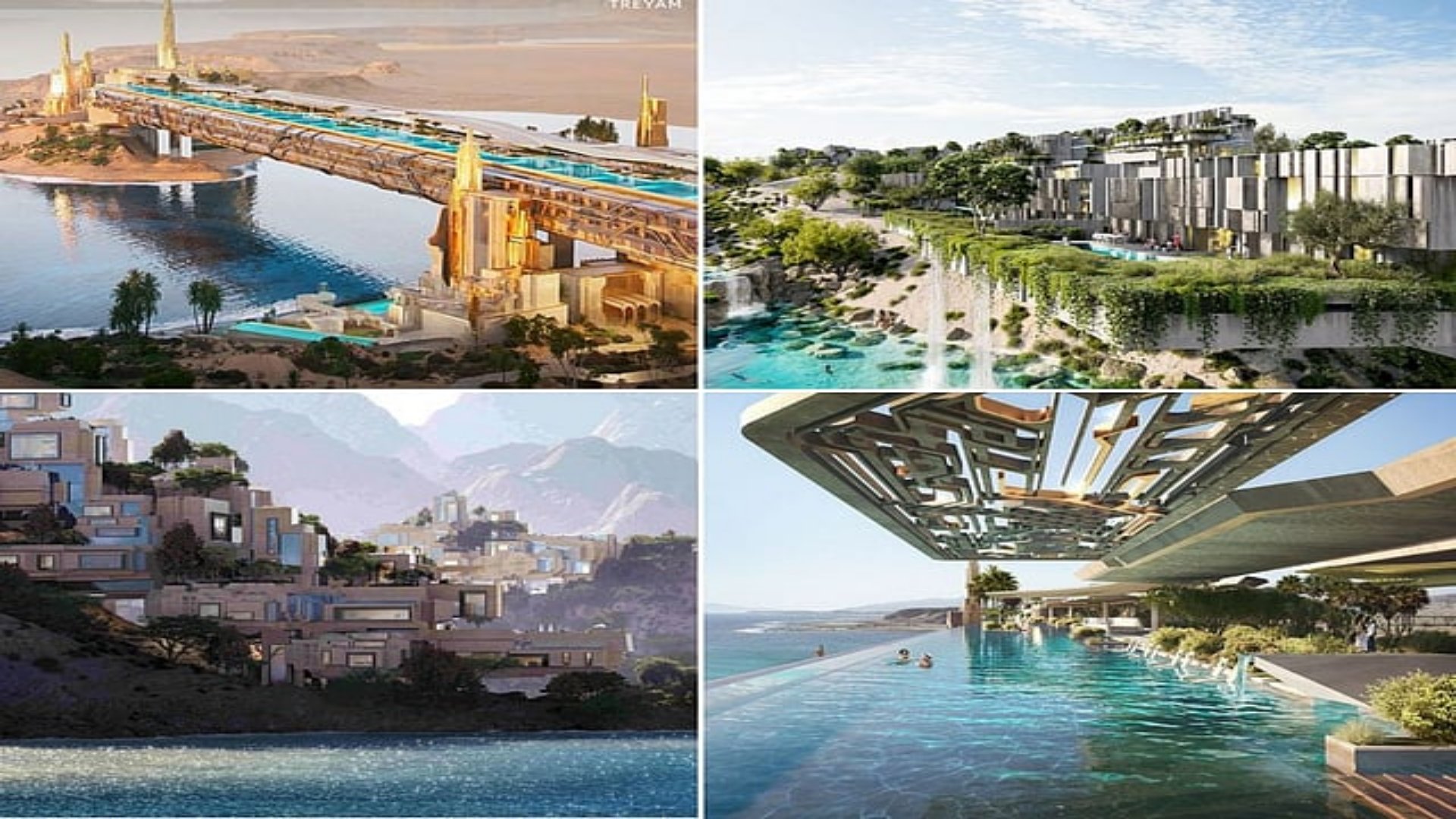


Saudi Arabia is currently managing a development portfolio valued at trillions of dollars as part of an effort to diversify its economy by the end of the decade. This initiative focuses on massive urban construction and the expansion of national infrastructure to support a post-oil fiscal model. Central to this strategy is the development of several giga-projects, including Neom, which are designed to function as high-tech urban centers and drivers for foreign investment.

The construction activity is not limited to new cities. Significant capital is being directed toward the logistics sector, with plans to establish the Kingdom as a primary link between Asia, Europe, and Africa. This includes the modernization of transport networks and the expansion of port facilities to handle increased trade volumes.

Sustainability and advanced engineering are being integrated into the project designs, reflecting a shift toward more efficient resource management in the Middle Eastern climate. While the scale of these developments is unprecedented, the government maintains that the timelines are aligned with the broader Vision 2030 goals. Private sector participation remains a critical component of the financing structure, with the state seeking to attract global construction firms and technical experts to execute these complex engineering tasks.

In addition to physical infrastructure, the Kingdom is investing in the hospitality and tourism sectors. New developments along the Red Sea coast aim to create a luxury tourism market, necessitating extensive coastal engineering and specialized building techniques.

Officials indicate that these developments are necessary to accommodate a projected increase in the domestic population and an influx of international workers required for new industries. The projects are also expected to create thousands of jobs within the construction and service industries over the next several years.

Comments (0)
Leave a Comment
No comments yet. Be the first to share your thoughts!