
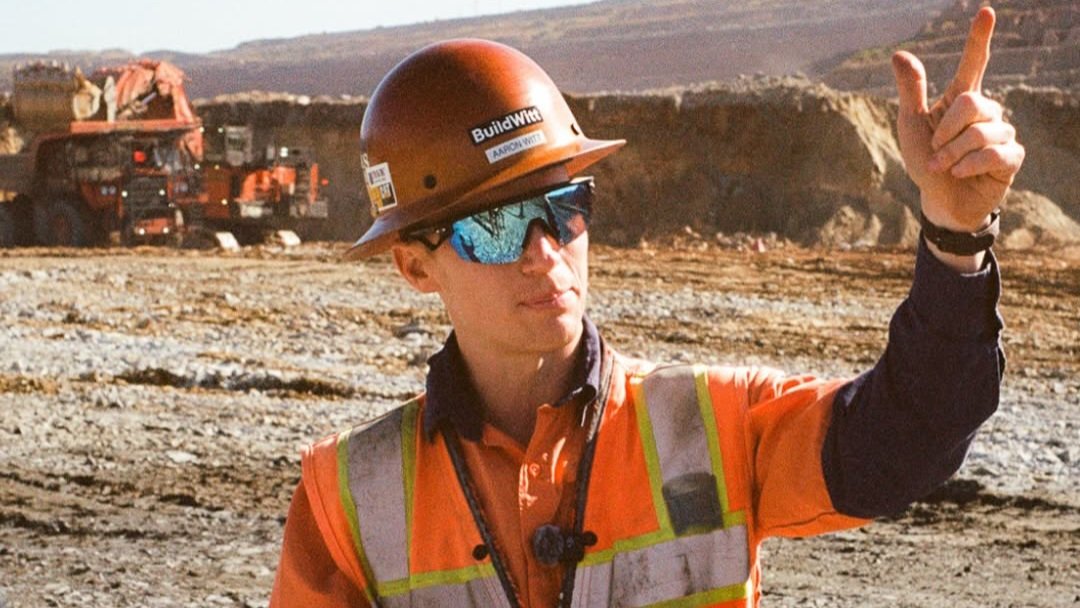

Concerns over job security in corporate offices, which are increasingly disrupted by Artificial Intelligence (AI), have triggered a shift among Generation Z (Gen Z) workers toward technical careers. A report from Bloomberg News highlights how online creators are recasting manual trades as viable career choices.
Content focused on skilled labor has gained traction across digital platforms, when jobseekers look for stable alternatives to traditional desk roles. On TikTok, videos tagged with blue-collar hashtags have accumulated more than four million posts from active trade workers.
Individual creators are leading this online movement by sharing real daily experiences directly from active job sites. Welder Lindsey Hover, who posts under the account name @thebluecollarbarbie, routinely shares repair videos with her 160,000 followers, while arguing that hands-on technical work feels simpler than handling corporate emails.
Other social creators are establishing formal training initiatives alongside their primary digital channels. Truck driver Clarissa Rankin, who maintains an audience of over 200,000 followers on Instagram, launched her own driver academy, although she also collaborates directly with labor development agencies to promote regional transport careers.
Carpenter Calvin Rust uses online media to illustrate practical entry points into the construction industry. Meanwhile, electrical apprentice Bobbi Jo Tymosko documents site work under the name Lady Voltz, which helps encourage more women to join electrical trades, even if her audience remains growing.
Industry analysts note that modern trade positions require higher technical qualifications than previous generations experienced. Caroline Pfeiffer Marinho of Right Management, a specialized division of ManpowerGroup, pointed out that electricians must now understand Light-Emitting Diode (LED) systems and digital motion sensors alongside traditional wiring.
This technological evolution raises both skill entry requirements and potential compensation ceilings for young workers. Advanced manufacturing roles and renewable energy installations can demand years of preparation, which requires sustained commitments before candidates reach fully qualified status on site.
Despite growing online interest, industry leaders caution that manual work remains physically demanding and unforgiving. Aaron Witt, founder of heavy civil construction media platform BuildWitt, cautioned that heavy field operations are simply not suitable for every individual entering the workforce.
"The world needs skilled workers, but not everyone is suited for this type of work," Witt stated during a recent media interview. He emphasized that employers must remain transparent regarding long hours, unpredictable weather, and round-the-clock shift demands, but they should not rely solely on attractive compensation figures.
Corporate executives have also acknowledged the growing importance of technical labor across the global market. Chief Executive Officer (CEO) Jensen Huang of Nvidia told recent graduates that skilled technicians, plumbers, and ironworkers face unprecedented demand as infrastructure expansion accelerates across multiple industrial sectors.
Recruitment specialists working within Human Resources (HR) departments are taking note of these trends as firms confront persistent labor shortages. Broadening the talent pool through online outreach helps attract new candidates, who might otherwise overlook physical trades in favor of traditional university degrees.
Whether this social media movement translates into long-term worker retention remains an open question for contractors. For now, transparent communication about actual workplace realities offers the clearest path toward building a reliable, next-generation workforce capable of meeting expanding civil infrastructure requirements across global markets.
Comments (0)
Leave a Comment
No comments yet. Be the first to share your thoughts!