
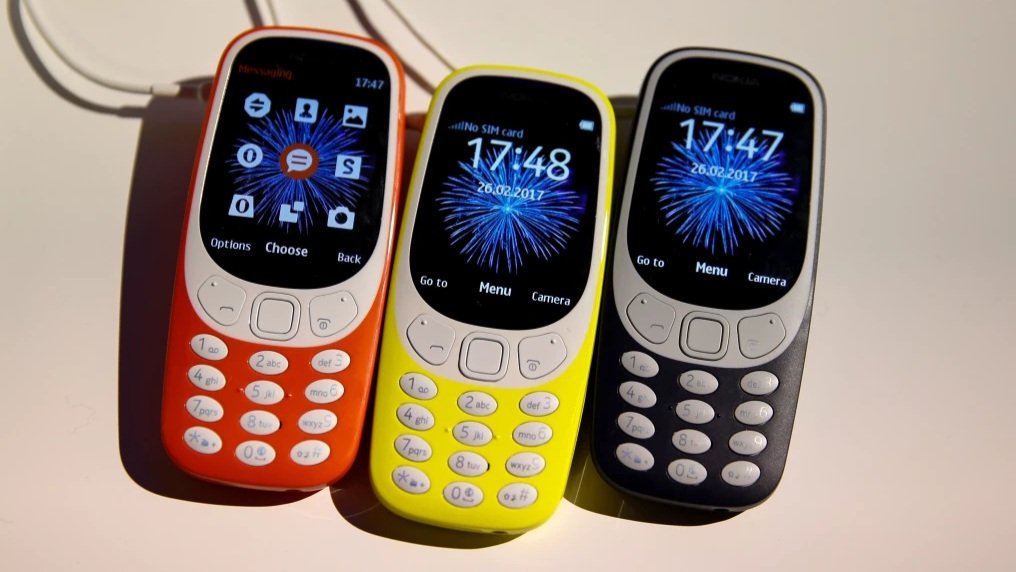

The Communications Authority of Kenya (CA) has dismissed reports alleging a ban on affordable mobile phones, termed "mulika mwizi," as inaccurate. The regulator stated that recent media coverage misrepresented a technical notice regarding the transition to a uniform charging standard.
In a statement released this week, the CA clarified that it is not outlawing specific phone models but rather establishing a timeline for manufacturers to adopt USB Type-C charging ports. This move aligns Kenya with global trends aimed at reducing electronic waste and improving consumer convenience.
Director General David Mugonyi noted that the authority's objective is to ensure all mobile devices sold in Kenya eventually utilize a common interface. The directive, however, does not imply an immediate withdrawal of existing devices from the market or a prohibition on the sale of feature phones.
The confusion arose from a circular sent to mobile phone importers and technical stakeholders. The document outlined requirements for new devices seeking type approval, which is a mandatory process for any communication equipment intended for the Kenyan market.
According to the regulator, the primary focus is on sustainability. By standardizing chargers, the CA expects to significantly lower the volume of discarded cables and adapters, which contribute heavily to the country's growing e-waste challenges.
The locals have long relied on affordable feature phones for basic communication and mobile money services. Concerns had been raised that a strict mandate would lock out a large portion of the population from accessing essential digital services if cheaper models were removed.
The CA clarified that the transition will be gradual. Manufacturers are encouraged to integrate the USB Type-C technology into their production lines for the Kenyan market. This requirement applies to new models being introduced, rather than those already in circulation or currently held in stock by retailers.
Industry analysts suggest that while the transition is necessary for global alignment, the regulator must balance environmental goals with digital inclusion. The "mulika mwizi" phones remain a staple for millions, especially in rural areas where battery life and cost are the primary considerations for buyers.
President Ruto has previously emphasized the need for affordable technology to drive the country's digital economy. The CA’s clarification ensures that the rollout of the Digital Superhighway remains inclusive while adhering to international technical standards.
The authority has urged the public and stakeholders to refer to official channels for regulatory updates. It cautioned against the spread of misinformation that could cause unnecessary panic among consumers and traders who rely on the mobile device ecosystem.
Technical specifications for the USB Type-C mandate will be enforced through the standard type approval process. This ensures that every device entering the country meets the safety, quality, and compatibility standards set by the government.
Comments (0)
Leave a Comment
No comments yet. Be the first to share your thoughts!