
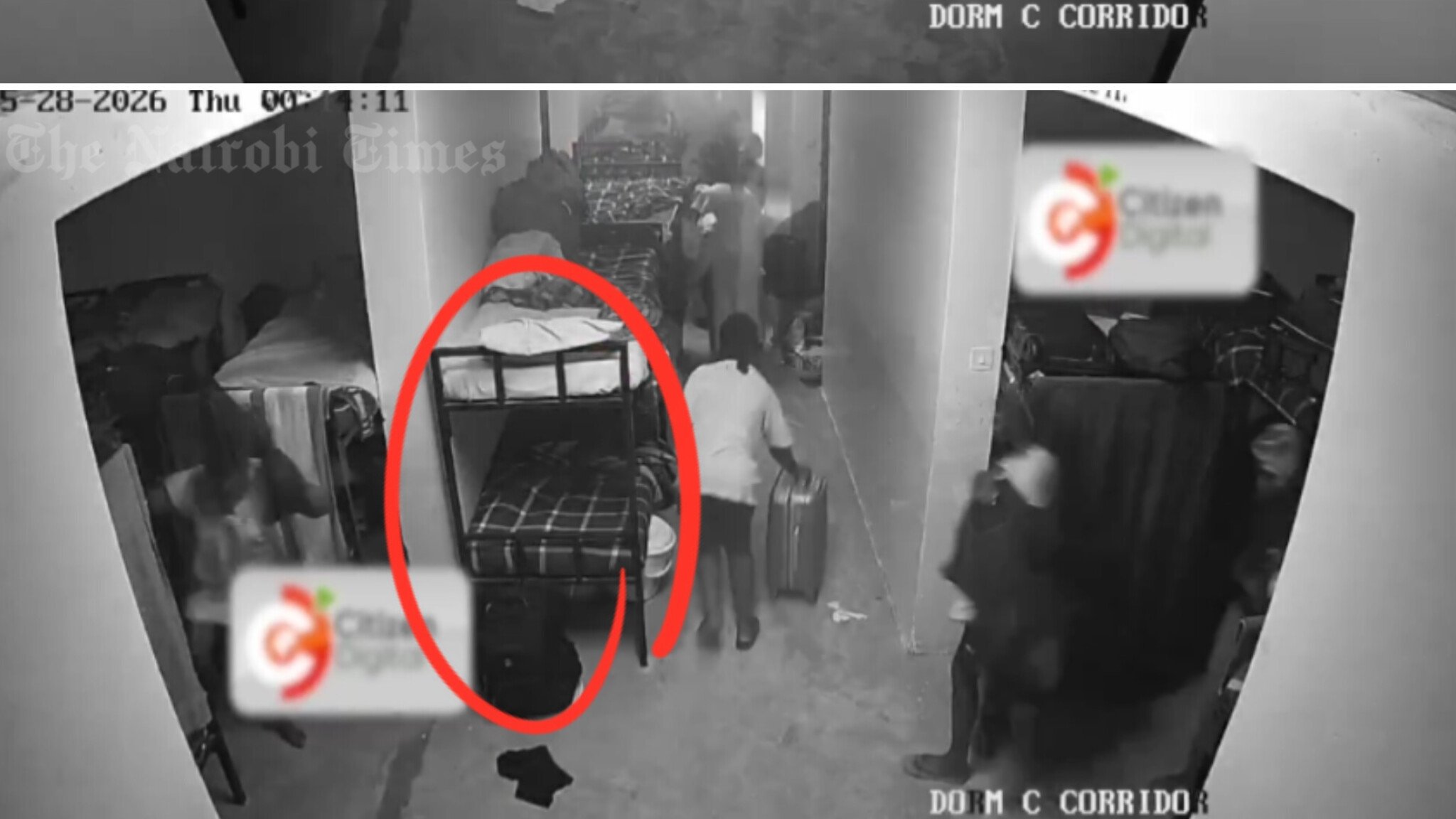

The recent fire at Utumishi Girls Academy in Gilgil has thrust the issue of CCTV surveillance in Kenyan boarding schools into sharp focus. Footage from the school helped investigators identify suspects in the blaze that claimed 16 lives.
Activist Hanifa Adan has been vocal in her criticism. In a post on X, she challenged the presence of cameras inside dormitories. "Mwache kujifanya hamuelewi!" she said, questioning why such equipment was placed in spaces where girls sleep and change. Her comments quickly circulated online, amplifying the national conversation.
Social media platforms lit up with divided opinions. Some users defended the cameras, arguing they are essential for security. One commenter noted the footage's role in identifying those behind the arson. Others raised concerns about intrusion into private areas, asking who monitors the feeds and whether proper protocols exist.
Several posts clarified technical details. Cameras at the school were reportedly placed in hallways rather than individual sleeping cubicles. Contributors emphasised the importance of safeguards, including strict controls on footage access.
The debate gained further momentum when Interior Cabinet Secretary Kipchumba Murkomen proposed wider installation of CCTV systems across schools. He referenced the Utumishi recordings as evidence of their value in investigations.
A 2021 circular from the Ministry of Education provides important context. Dated 2 February 2021, the document addressed rising cases of arson and indiscipline in boarding secondary schools. It directed principals to enhance security in dormitory areas, which it identified as frequent targets.
Among the recommended measures were increased teacher presence around dormitories and tuition blocks. Schools were instructed to maintain accurate accounting of all learners at all times. Principals were expected to live on site and convene board meetings to review security arrangements.
The circular also called for prompt reporting of criminal activity to police, strengthened guidance and counselling, and better grievance mechanisms. It urged closer coordination with security agencies to prevent unrest and protect property.
Ole Teya offered a balanced view in the online exchanges. He stated there is nothing inherently wrong with cameras in dormitory hallways if accompanied by proper safeguards and controls on access.
The discussion touches directly on construction and infrastructure implications. Retrofitting boarding schools with CCTV involves electrical installations, strategic camera placement, cabling runs, and dedicated monitoring rooms. Contractors familiar with institutional projects understand the technical requirements for reliable systems that function without disrupting school routines.
Questions persist about implementation standards. Privacy advocates continue to push for clear guidelines on camera locations, data retention, and authorised access. Supporters counter that recent tragedies demonstrate the practical benefits of recorded evidence.
Boarding schools in Kenya have long grappled with safety concerns. Dormitory fires and security lapses appear periodically in national headlines. Upgrading these facilities forms part of broader efforts to modernise learning environments and meet regulatory expectations.
The Ministry circular remains relevant years later. It reflects a policy push for vigilance that now intersects with technology solutions like surveillance. Electrical and security contractors may face growing demand if more institutions move toward comprehensive CCTV coverage.
Yet the human element remains central. Students, particularly in girls' boarding schools, navigate daily life under varying levels of oversight. The balance between protection and personal space continues to generate strong opinions.
Public commentary ranged from practical observations to pointed criticism. One user highlighted that control rooms should be accessible only to authorised personnel, such as the school principal. Another stressed the need for notices informing students of surveillance in common areas.
As the conversation unfolds, school administrators face pressure to review their setups. The Utumishi case has made clear both the investigative value of footage and the sensitivities around its use.
Construction professionals involved in education projects note that proper planning is key. Systems must comply with safety standards while addressing privacy considerations raised by stakeholders.
The tragedy has forced a wider examination of how Kenyan schools secure their premises. Whether through expanded CCTV or other measures, the focus remains on preventing future incidents while respecting the dignity of learners.