
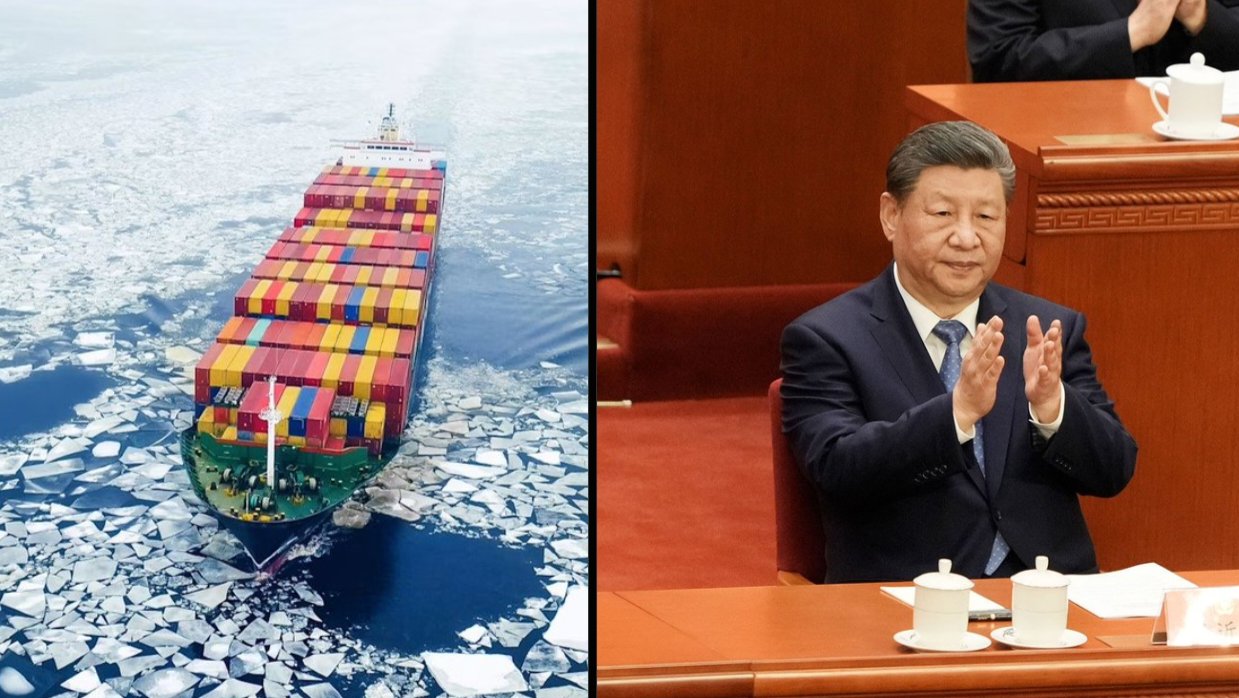

A Chinese maritime shipping firm launched the first regular container transportation service across the Arctic Ocean, operating along the northern coast of Russia.
The newly established maritime corridor connects the Port of Ningbo-Zhoushan to commercial destinations within the United Kingdom (UK).
Logistics coordinators refer to the northern passage as the Ice Silk Road. The route offers an alternative maritime track to traditional shipping lines connecting East Asia to Northern Europe.
Vessels traversing this polar corridor hug Russia's northern coastline through Arctic waters. The service represents the first scheduled container operation along the frozen passage, which historically hosted only seasonal or experimental voyages.
Conventional ocean freight between Asian manufacturing hubs and European discharge terminals relies heavily on the Suez Canal (SC). Maritime trade operators created this northern option to establish direct connectivity across polar trade corridors.
Shipping operators utilizing the Northern Sea Route (NSR) navigate through challenging environmental conditions, including floating sea ice. Commercial cargo operations along northern latitudes traditionally required specialized hull reinforcement and icebreaker escorts.
Global freight firms monitor the operational performance of container vessels operating in frozen waters. Cargo handlers expect the polar connection to influence long-distance logistics schedules, as carriers evaluate route reliability during shifting weather cycles.
Polar navigation requires specialized equipment and trained personnel capable of handling freezing conditions. Maritime authorities oversee safety standards along the northern coast, where navigational infrastructure remains sparse compared to southern sea lanes.
The departure from Ningbo establishes a fixed schedule for commercial cargo moving along polar corridors. Port authorities in Asia and Europe monitor incoming arrivals as the first container ships proceed through high-latitude waters.
The route reduces total nautical miles between Chinese manufacturing facilities and British discharge facilities. Shippers evaluating global transport corridors track operational costs, transit times, and fuel consumption metrics associated with high-latitude ocean transit.
Recent expansions in Arctic ice management technology allowed commercial carriers to test extended operating windows. Infrastructure developments along Russian Arctic ports support refueling, emergency response, and navigational tracking for transiting vessels.
The commercial service introduces a structured schedule for shippers transporting goods between East Asia and Europe. Logistics companies continue to assess environmental conditions, insurance costs, and icebreaking support requirements along the polar route.
Port facilities in the UK prepare to receive shipments originating from the northern passage. Terminal handlers expect initial deliveries to provide valuable operational data on cargo safety, container temperature management, and schedule adherence in freezing environments.
International maritime organizations maintain safety guidelines for polar navigation to prevent environmental incidents in fragile Arctic ecosystems. Container operators adhering to these regulations must fulfill mandatory safety, structural, and operational protocols throughout the journey.
Comments (0)
Leave a Comment
No comments yet. Be the first to share your thoughts!