
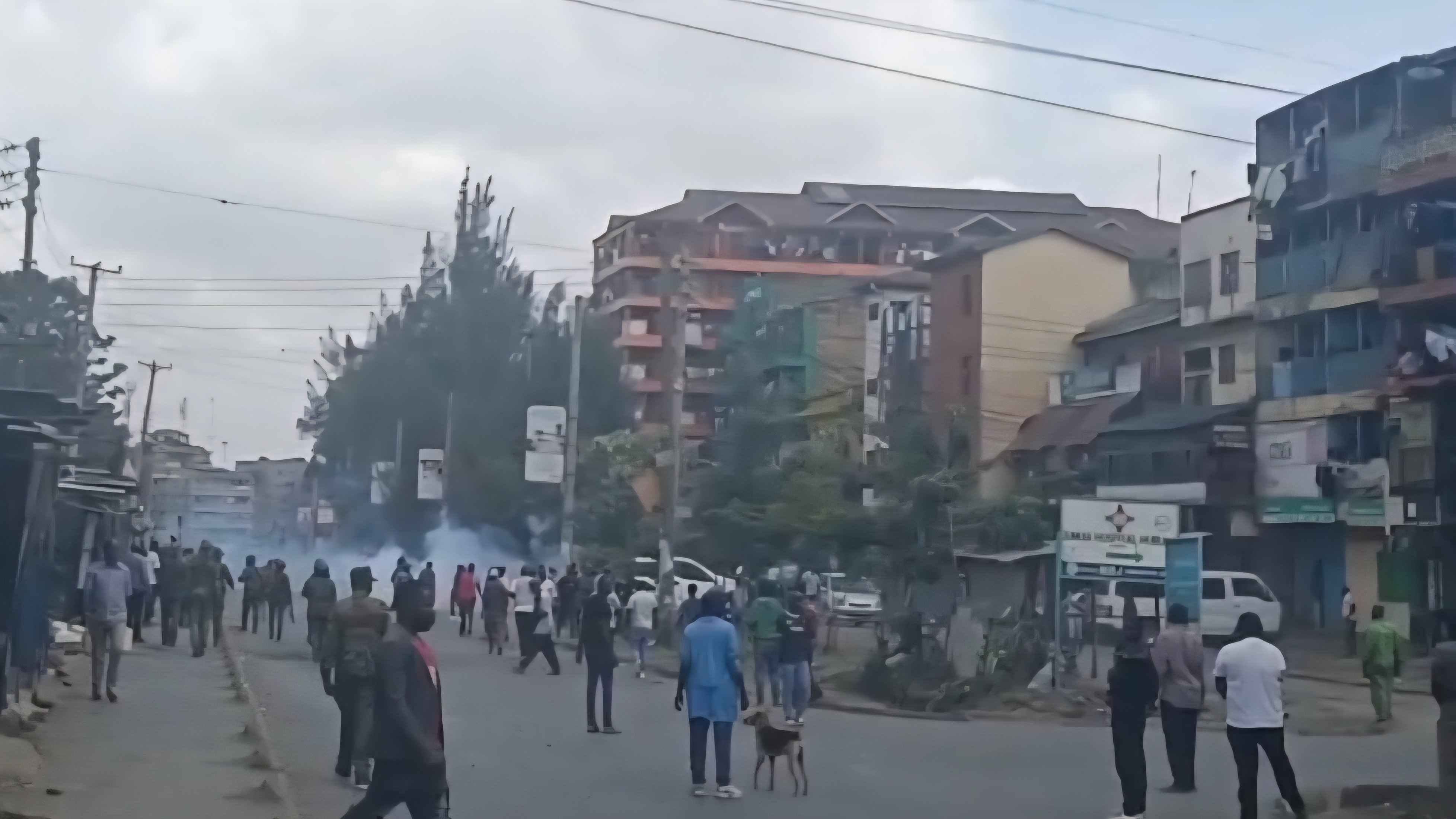

Construction sites across Huruma and the larger Mathare North area remained silent on Monday morning as residents reacted to a fatal shooting that sparked widespread unrest over the weekend. The National Police Service has issued an urgent appeal for calm following the incident, which has disrupted the local labor market and stalled several ongoing residential developments in the densely populated neighborhood.
The tension began on Saturday evening when police officers responding to a reported robbery in the area confronted a suspect. According to a statement released by the police on Sunday, the suspect was fatally injured during the encounter. The news of the death spread quickly through the informal settlements and residential blocks, leading to a night of protests and confrontations with law enforcement.
Local contractors and site foremen reported that workers did not show up for shifts on Sunday and Monday, citing safety concerns and roadblocks. Huruma is a hub for mid-rise residential construction, characterized by high-density masonry buildings that provide essential housing for Nairobi’s working class. These projects rely heavily on daily-wage laborers who live within the immediate vicinity. When civil unrest occurs, these sites are often the first to see a total work stoppage as logistics are hampered and safety cannot be guaranteed.
In a statement shared via social media and official channels, the National Police Service urged the public to refrain from acts of violence or property destruction. "The NPS has urged residents of Huruma, Nairobi, to remain calm and refrain from acts of violence following a fatal incident that triggered unrest in the area on Saturday night," the statement read. The police maintained that the initial incident stemmed from a robbery report, though residents have voiced different accounts of the events, leading to the friction seen on the streets.
The disruption in Huruma highlights the vulnerability of urban construction projects to localized social instability. In many parts of Nairobi, construction sites are not just places of work but are integrated into the fabric of the community. When protests erupt, the movement of materials like sand, ballast, and cement is immediately cut off. Drivers are often unwilling to navigate the narrow streets of Huruma when there is a risk of stone-throwing or police using tear gas to disperse crowds.
Security presence remained high throughout Sunday, with patrol units moving through the main thoroughfares to prevent further escalation. The unrest has also affected the small-scale hardware shops that supply the "mjengo" industry in the area. These businesses, which typically operate seven days a week to service the constant demand for building materials, remained shuttered as owners assessed the risk to their inventory.
For many developers in the area, the delay adds to the overhead costs of projects that are already operating on thin margins. The Huruma building sector has faced scrutiny in the past regarding safety and planning, and any interruption in the formal oversight or construction process is a concern for industry observers.
As of Monday afternoon, the situation remained fluid. While some main roads were cleared of debris, the atmosphere stayed tense. Community leaders have been called upon to mediate between the youth and the police to restore order. The resumption of construction activities will likely depend on the success of these talks and the absence of further skirmishes during the overnight hours.
Comments (0)
Leave a Comment
No comments yet. Be the first to share your thoughts!