
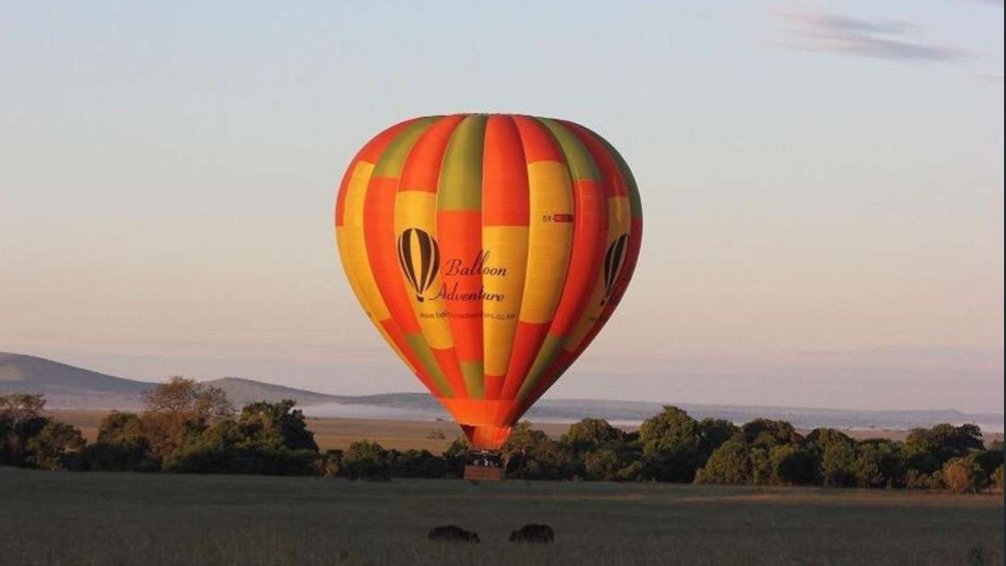

The Environment and Land Court (ELC) has issued a conservatory order halting the licensing of new hot air balloon operators within the Masai Mara National Reserve (MMNR).
This judicial intervention effectively suspends a series of controversial approvals, which had been quietly granted by the Narok County Government (NCG).
Local conservationists and tourism stakeholders challenged the licensing process, arguing that the county administration bypassed established environmental protocols.
The petitioners claimed the approvals were made through questionable backroom deals, which ignored critical ecological limits.
Aerial tourism in the famed reserve has faced intense scrutiny lately.
Critics argue that a high density of low-flying balloons disrupts wildlife migration patterns, particularly during the annual wildebeest migration.
The noise from burners frequently panics animal herds, which can lead to stampedes or habitat abandonment.
Legally, any new tourism venture within a protected ecosystem must obtain clearance from the National Environment Management Authority (NEMA).
This clearance requires a comprehensive Environmental Impact Assessment (EIA) to evaluate potential degradation.
The court heard that NCG bypassed these mandatory evaluations, which undermined national conservation laws.
Tourism operators who already hold valid permits supported the suspension, noting that overcrowding in the skies poses safety risks.
They expressed fears that unregulated airspace management could lead to mid-air collisions, which would damage the reputation of Kenya's tourism sector.
Under current regulations, the reserve has strict limits on the number of operating balloons allowed at any given time.
These strict caps exist specifically to protect the fragile savannah grassland.
The NCG has historically struggled with balancing the lucrative revenue generated from concession fees against its mandate to preserve the park.
Each hot air balloon flight generates substantial fees, but unregulated growth threatens the long-term sustainability of the ecosystem.
Tourism represents a major economic driver for Narok County, although environmental advocates warn that short-term financial gains must not compromise ecological heritage.
The ELC directed all parties to file their formal responses within fourteen days, after which a full hearing will be scheduled.
Until then, no new balloon operating licenses may be processed or issued.
Existing operators will continue their services under strict adherence to safety guidelines, but they remain watchful of the court's final determination.
The suspension serves as a warning to local governments, which must align development approvals with national environmental policies.
Industry observers believe this case could set a precedent for how tourist activities are managed across other national parks in Kenya.
The Kenya Wildlife Service (KWS) has also urged county governments to consult national regulatory bodies before issuing commercial operating permits.
This ensures that tourism infrastructure developments do not conflict with broader wildlife protection strategies.
Stakeholders now await the presentation of NEMA's official report on the carrying capacity of the Masai Mara skies.
The upcoming ruling will determine whether the reserve can accommodate more aerial operators, or if a permanent freeze is necessary.
For now, the skies above the Mara will remain free from any new additions, keeping the focus entirely on conservation.
The court's decision highlights the growing tension between rapid commercialization and environmental preservation in East Africa's most famous wilderness.
The final verdict is expected to clarify the legal boundaries of county-level licensing powers over protected national assets.
This ongoing legal battle underscores the absolute necessity of transparent governance in managing Kenya's natural resources and heritage.
Comments (0)
Leave a Comment
No comments yet. Be the first to share your thoughts!