
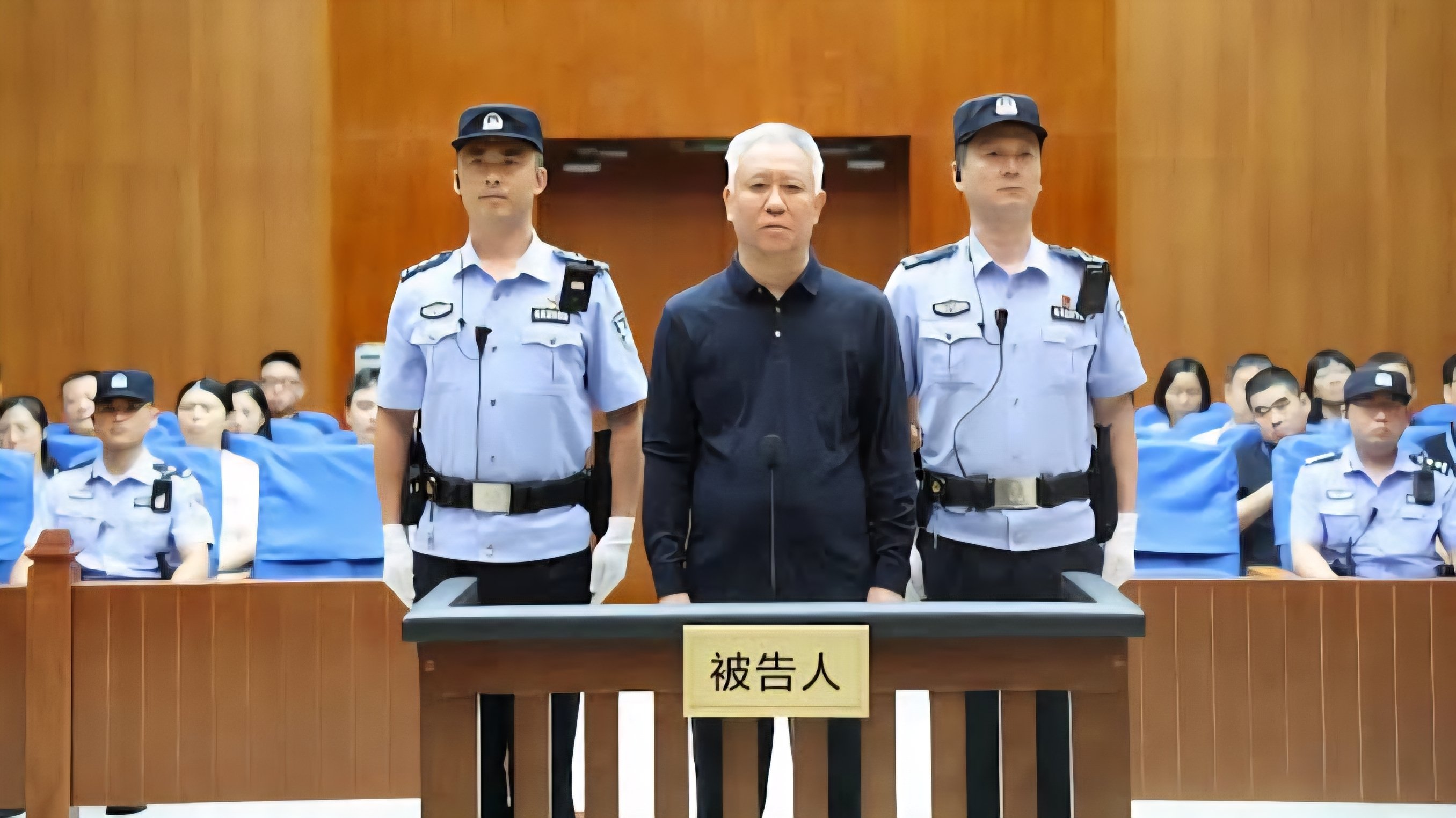

A court in Shenzhen, China, sentenced the founder of China Evergrande Group (CEG), Hui Ka Yan, to life in prison following his conviction on multiple financial crime charges.
The ruling by the Shenzhen Intermediate People's Court (SIPC) brings a legal end to the executive who led one of the most indebted property developers in the world.
Hui, also known as Xu Jiayin, pleaded guilty to charges including fundraising fraud, misuse of funds, illegally accepting public deposits, and fraudulently issuing securities. The court ordered the confiscation of all his personal property.
Judicial authorities also imposed a fine of 8.82 billion yuan on the parent company, while its primary mainland operating arm, Hengda Real Estate Group (HREG), received a 7 billion yuan fine.
Court findings revealed that between 2016 and 2021, the firm engaged in sustained financial statement fabrication to inflate company assets and conceal true liabilities. The operations accumulated over 300 billion dollars in total liabilities before defaulting in late 2021.
The subsequent financial breakdown contributed directly to a broader slump across the Chinese real estate market, which historically accounted for a significant portion of the national economy.
Alongside the primary verdict, SIPC sentenced 56 other individuals linked to the developer, including former senior executives and family members. These defendants received prison terms ranging from 22 months to 18 years for their roles in the operations.
The court stated that the financial activities caused severe economic losses, and ordered authorities to recover illegal proceeds generated by the defendants.
The ruling arrives five years after regulatory restrictions on corporate debt levels, known as the three red lines policy, curtailed the ability of high-leverage developers to secure fresh financing.
The resulting cash crunch halted construction across hundreds of housing developments nationwide, leaving numerous buyers without completed properties and causing extensive losses for retail investors who purchased corporate wealth management products.
Hui founded the business in Guangzhou in 1996, expanding the firm from a regional homebuilder into a massive conglomerate with operations across housing, electric vehicles, and sports.
The company listed on the Hong Kong Stock Exchange (HKEX) in 2009, issuing billions in international bonds over the following decade. By 2017, Forbes listed Hui as the wealthiest person in Asia.
Authorities detained the executive in 2023 following the corporate default. The High Court of Hong Kong (HKHC) subsequently ordered the liquidation of the offshore entity in January 2024, leading to the eventual delisting of its shares.
Court-appointed liquidators continue legal efforts to recover assets and address billions of dollars in creditor claims worldwide.
Comments (0)
Leave a Comment
No comments yet. Be the first to share your thoughts!