
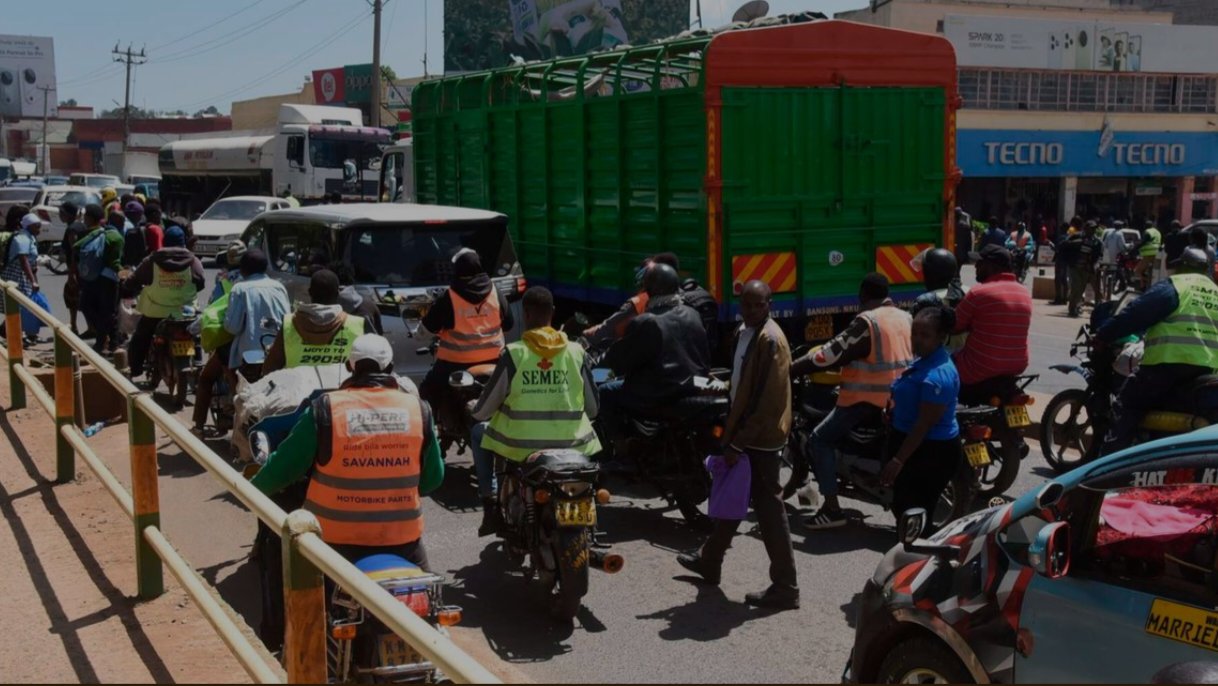

Judicial precedent established by the High Court of Kenya has shielded asset financiers from third-party injury claims involving motorcycles purchased through loan agreements.
Presiding over a liability suit, the court determined that financial institutions providing asset-based financing cannot be held vicariously responsible for road crashes involving vehicles under credit schemes.
The dispute arose after a road crash victim sought financial compensation from an asset lending company that retains vehicle ownership documents until loan repayment completion.
Arguments presented before the bench centered on whether legal title retention under a hire-purchase framework places third-party operational liability on the financing institution.
Advocates representing the financier argued that physical control, operational management, and daily driving responsibilities remain entirely with the commercial operator rather than the underlying financier.
Concurring with the defense, the High Court held that asset financing entities merely provide capital and retain security interests, lacking direct control over day-to-day operations on public roads.
Legal experts note that requiring lenders to assume operational liabilities would increase credit risk, forcing financial firms to restrict capital access across the commercial transport sector.
The ruling clarifies exposure limits for motorcycle asset financiers, reaffirming that traffic accident claims must target active vehicle operators and registered policyholders.
Comments (0)
Leave a Comment
No comments yet. Be the first to share your thoughts!