
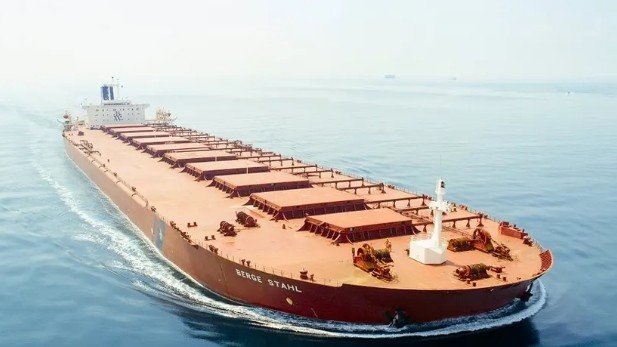

The Kenya Ports Authority has confirmed that 55 vessels are scheduled to dock at the ports of Mombasa and Lamu within the next two weeks. Among them are four oil tankers carrying refined fuel products expected to support the country’s fuel supply chain.
The incoming ships will deliver a wide range of cargo. These include containerized goods, vehicles, wheat, fertilizer, steel products, palm oil, butane gas and other general cargo. The variety of imports reflects ongoing trade activity and the country’s reliance on maritime transport for essential supplies.
The arrival of the oil tankers comes at a time when concerns have been raised about fuel availability in several parts of the country. Reports of supply strain in some regions have created uncertainty among motorists and businesses that rely heavily on fuel for daily operations.
Fuel supply challenges can affect transportation, agriculture, manufacturing, and other sectors. Even small disruptions can increase operating costs and lead to delays in the movement of goods and services. As a result, the confirmation of incoming fuel shipments has been received as a positive development.
Kenya relies on imported petroleum products to meet local demand. Shipments typically arrive through the Port of Mombasa, which serves as a major entry point for fuel distributed across the country and to neighboring states in the region. Efficient port operations therefore play an important role in maintaining supply stability.
The Port of Lamu is also gradually strengthening its role in handling cargo. Increased activity at the port is part of wider efforts to expand infrastructure and improve trade capacity along the northern corridor. The arrival of vessels at both ports highlights the importance of diversifying entry points.
According to port authorities, scheduling and coordination are key to ensuring vessels are handled efficiently. Timely berthing, discharge of cargo, and clearance processes help avoid congestion and ensure that goods reach their destinations without unnecessary delays.
Oil tankers carrying refined petroleum products are usually handled under strict safety and environmental guidelines. Once discharged, the fuel is transported to storage facilities before distribution through pipelines, road transport and depots across the country.
Fuel distribution involves coordination between several agencies and private sector players. Importers, transport companies and retailers must work together to ensure that supply reaches stations in different regions in a timely manner. Any delays along this chain can quickly affect availability.
The expected increase in supply comes ahead of the upcoming fuel price review by the Energy and Petroleum Regulatory Authority. Fuel prices in Kenya are reviewed periodically, taking into account global oil prices, exchange rates and supply costs.
Motorists and transport operators are closely watching the upcoming price announcement. Many hope that improved supply will help stabilize prices and reduce uncertainty in the market. Stable fuel supply often helps businesses plan more effectively and manage costs.
Transport companies are particularly sensitive to fuel price changes. Fuel is one of the largest operating expenses for logistics and public transport providers. Predictable supply and pricing can help reduce disruptions and support smoother operations.
Farmers and manufacturers also depend on reliable fuel availability. Agricultural machinery, irrigation systems and factory operations all rely on steady energy supplies. Any improvement in fuel distribution can therefore support productivity in these sectors.
The arrival of wheat, fertilizer, and steel products alongside fuel shipments highlights the broader impact of port operations on the economy. These imports support food production, construction and industrial activity across the country.
Car carriers among the incoming vessels will deliver vehicles for the local market. This reflects continued demand for personal and commercial transport. Vehicle imports also contribute to revenue collection and support related service industries.
Palm oil and butane gas shipments will help meet demand for cooking fuel and food processing. These commodities play an important role in households and businesses, especially in urban areas where demand continues to grow.
The steady flow of ships into Kenyan ports shows ongoing recovery and resilience in trade and logistics. Efficient handling of incoming cargo helps maintain confidence in supply chains and supports economic activity.
As the vessels begin to arrive and offloading operations start, attention will remain on how quickly fuel and other goods move through the distribution system. Smooth coordination will be important to ensure the expected benefits are felt across the country.
For many Kenyans, the main focus remains on fuel availability and pricing in the coming weeks. The arrival of the oil tankers is expected to help ease supply concerns and bring some stability to the market as the next pricing cycle approache
Comments (0)
Leave a Comment
No comments yet. Be the first to share your thoughts!