
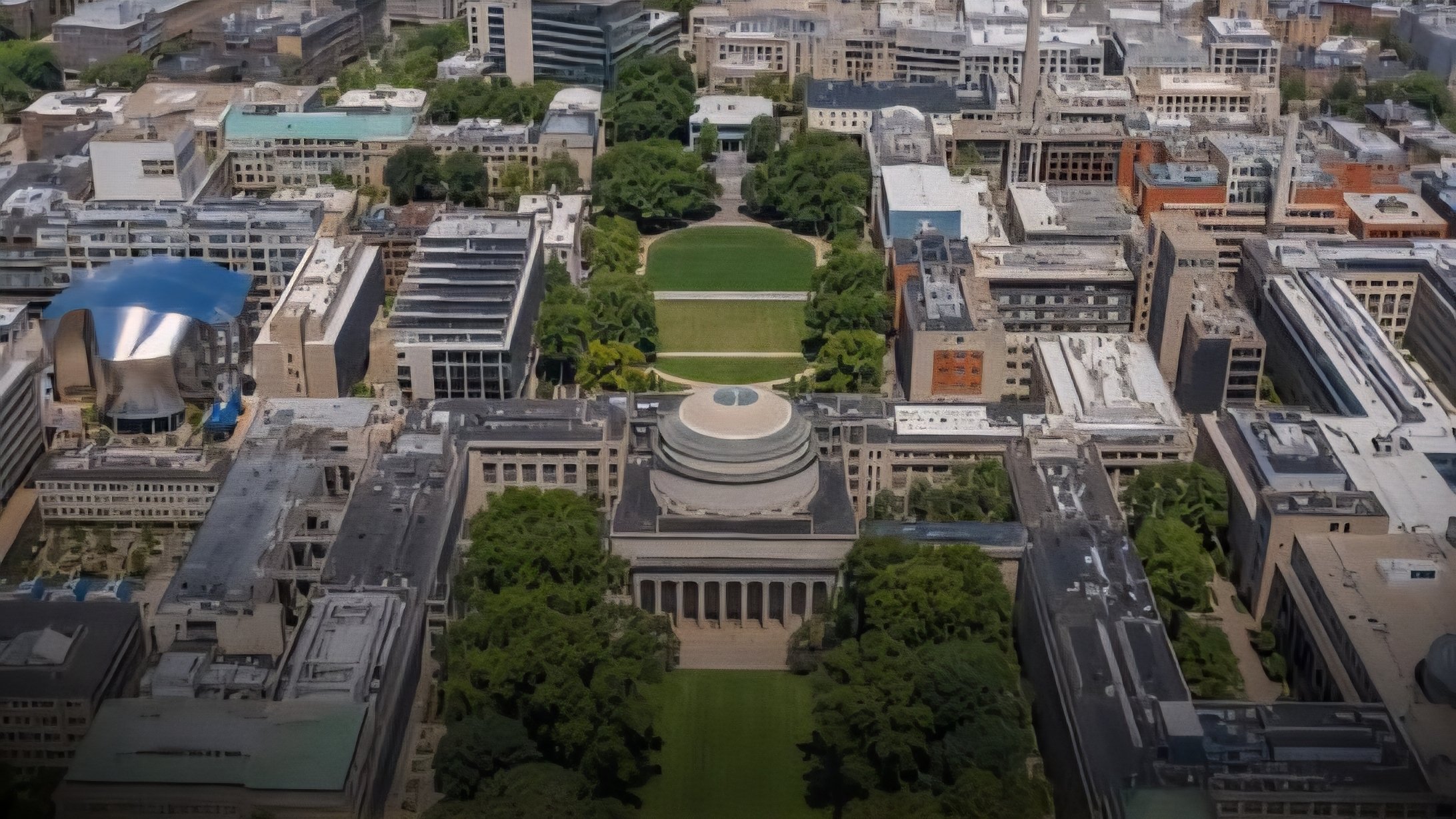

A decision made by the Massachusetts Institute of Technology (MIT) twenty-five years ago changed how technical academic content is shared globally.
Rather than maintaining proprietary control behind paid institutional portals, the university opted to upload nearly its entire course catalog directly to the internet, making it freely accessible.
The open-access platform, known formally as MIT OpenCourseWare (OCW), made raw curriculum materials available to students, independent researchers, and engineering practitioners without fee barriers.
The decision challenged traditional academic delivery models that historically depended on restricted access to maintain competitive advantage.
Initial implementation required significant logistical adjustments, as administrators worked to clear intellectual property rights and digital distribution permissions across dozens of academic departments.
The resulting open framework allowed technical programs in structural mechanics, computational modeling, and urban planning to reach an international audience.
The approach has since served as a reference point for higher education institutions assessing how to balance digital distribution with institutional revenue models.
For remote technical professionals and regional project teams, direct access to standardized course material helped close information gaps in advanced engineering disciplines.
Academic institutions globally have since adopted similar open educational frameworks, citing the need for broader knowledge sharing across geographic boundaries.
By removing cost restrictions from foundational academic materials, the platform altered global standards for technical knowledge distribution.
Comments (0)
Leave a Comment
No comments yet. Be the first to share your thoughts!