
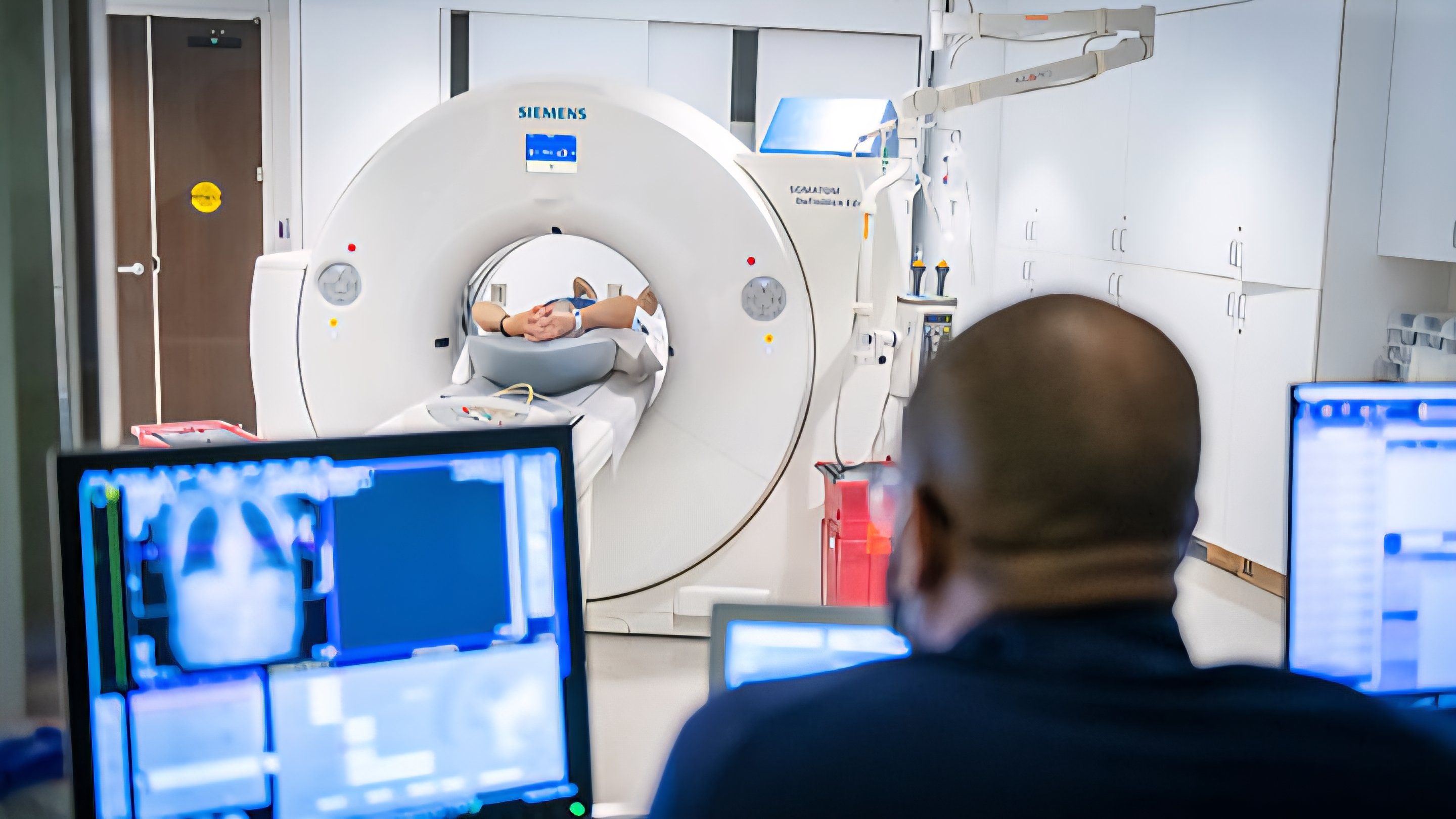

Kenya has entered a critical phase in its public health infrastructure development, following a multi-decade global effort to completely eradicate cervical cancer through structured vaccination and clinical intervention programs.
The historical timeline began with the accidental discovery of immortal HeLa cells in 1951, which laid the groundwork for critical vaccine research. This global scientific pursuit eventually enabled the introduction of the vaccine across various nations.
Kenya built upon this scientific foundation by executing its official national Human Papillomavirus (HPV) vaccine rollout in 2019. The program aimed to lower the high disease burden among young girls before exposure to the virus occurs.
Medical records show that cervical cancer remains the second most common cancer among women in Kenya. The country records an estimated 5,845 new diagnoses and 3,600 deaths annually, highlighting the urgent need for expanded clinical infrastructure.
To address these persistent gaps, the government recently introduced the National Cervical Cancer Elimination Action Plan 2026–2030. This strategy, developed with technical guidance from the World Health Organization (WHO), establishes clear operational targets.
The structural framework relies on the global targets established by the WHO. These metrics require vaccinating 90 percent of girls, screening 70 percent of women, and ensuring 90 percent of diagnosed patients receive treatment.
Health Cabinet Secretary Aden Duale noted that the country transitioned to a single-dose HPV immunization program in November 2025. This structural shift simplifies logistics and improves clinical delivery mechanisms across public dispensaries and referral hospitals.
Training initiatives have expanded alongside this policy change. More than 11,000 health workers nationwide received specialized training to support the delivery of these updated preventative services and manage local clinic infrastructure effectively.
Infrastructure integration is a core component of the state strategy. The Ministry of Health is currently utilizing primary healthcare networks to deliver cancer screenings alongside standard treatments for non-communicable diseases.
This methodology is visible in the Women Integrated Cancer Services (WICS) project. The pilot initiative operates in Nyandarua and Bungoma counties, where teams integrate cervical screening with checks for common conditions.
The WICS project targets at least 10,000 women in its initial phase. Officials plan to expand the model to ensure equitable medical infrastructure across all 47 counties using decentralized diagnostic systems.
New technologies form the backbone of the updated screening framework. The government is expanding access to HPV testing and introducing self-sampling methods to increase total patient outreach in remote locations.
Digital health tools are being deployed to strengthen patient referral pathways between primary clinics and specialized oncology units. This helps prevent diagnostic delays that frequently lead to advanced stage presentations in public hospitals.
Financing reforms under the Social Health Authority aim to make clinical treatments affordable. The strategy includes mandatory service charters across public and private health facilities to guarantee price transparency for patients.
Public investments continue to focus on strengthening referral systems and expanding cancer treatment infrastructure. These healthcare developments represent a coordinated effort to align Kenyan clinical capabilities with international medical standards.
Comments (0)
Leave a Comment
No comments yet. Be the first to share your thoughts!