
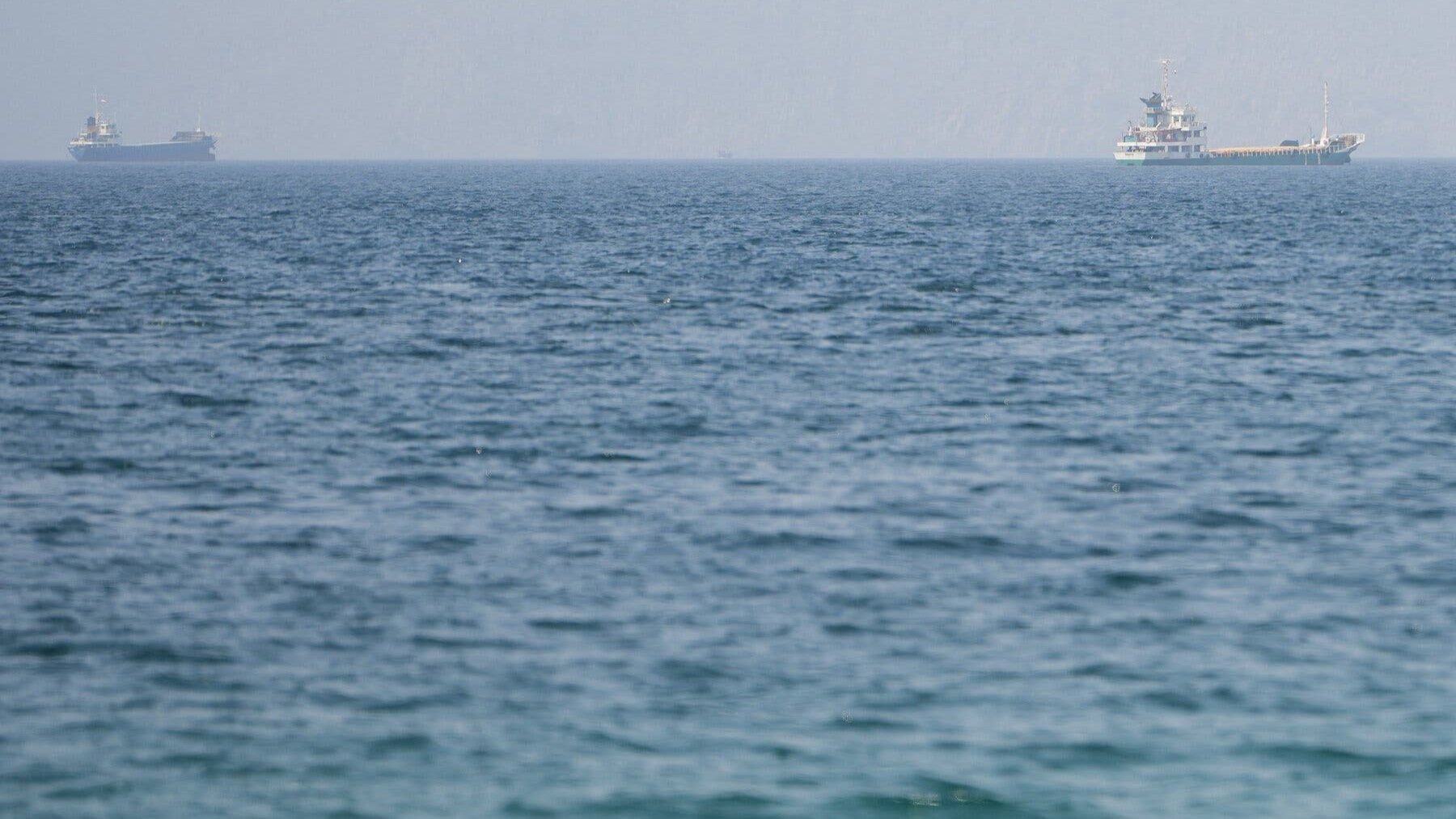

Naval transport across global oil shipping lanes faces renewed disruption, as Iranian officials set strict diplomatic conditions for resuming commercial passage.
Security hardliners in Tehran insist that crucial maritime corridors will remain blocked until Washington meets key political demands.
Secretary of the Supreme National Security Council (SNSC), Mohammad Bagher Zolghadr, confirmed that the waterway stays closed. He stated that the United States (U.S.) must first correct its regional conduct.
Iranian state media broadcast the official statement on Saturday following diplomatic talks in Oman. The public decree establishes conditions, which drastically raise requirements for restoring freedom of navigation.
Under the newly outlined demands, Washington must lift its naval blockade of Iranian ports immediately. Officials also insist that foreign forces cease all military operations against regional allies.
Tehran is demanding the complete withdrawal of foreign armed forces stationed throughout the Persian Gulf. Security officials maintain that foreign presence directly destabilizes regional maritime trade routes.
Financial demands also form a major part of the new Iranian positioning. The government insists that Washington unfreeze all blocked financial assets, while dropping all ongoing trade restrictions.
Furthermore, Tehran demands full financial compensation for damages sustained during recent military conflicts. Iranian leadership asserts that war reparations remain mandatory, if any long-term settlement is to succeed.
All economic sanctions imposed on Iranian trade and infrastructure must also be permanently erased. Iranian representatives emphasized that economic pressure prevents any peaceful resolution regarding maritime transit.
The announcement directly impacts ongoing diplomatic efforts mediated by Oman. Earlier technical discussions focused on creating a dedicated transit route for commercial vessels.
Initial proposals aimed to allow cargo ships to pass without paying transit fees, when entering near Iran and exiting near Oman. Negotiators hoped this framework would quickly restore commercial shipping.
Former discussions received indirect backing from regional trade partners and the International Maritime Organization (IMO). However, the sudden expansion of political demands threatens to stall technical consensus.
Global energy markets reacted swiftly to the prolonged closure of the strategic choke point. Tankers carrying crude oil and refined industrial products remain anchored outside the passage.
Construction supply chains across East Africa and Asia face rising freight charges, as long-distance rerouting adds delays. Materials like steel, cement, and fuel costs are surging worldwide.
Shipping operators warn that prolonged uncertainty around global sea routes forces vessels onto longer maritime paths. Moving cargo around the Cape of Good Hope increases transit time significantly.
White House officials have not issued a formal diplomatic response to the latest statements. Vice President JD Vance noted previously that Washington continues evaluating diplomatic and economic avenues.
President Donald Trump previously indicated that commercial freedom of navigation remains a primary objective. Still, hardline positions in Tehran suggest negotiations face a protracted standstill.
Diplomats from the Gulf Cooperation Council (GCC) continue monitoring the situation closely. Regional authorities emphasize that secure maritime shipping corridors remain essential, when planning global trade stability.
Until negotiators bridge the gap between technical transit agreements and broad political demands, the vital waterway remains closed. Major freight networks worldwide must prepare for extended operational challenges.
Comments (0)
Leave a Comment
No comments yet. Be the first to share your thoughts!