
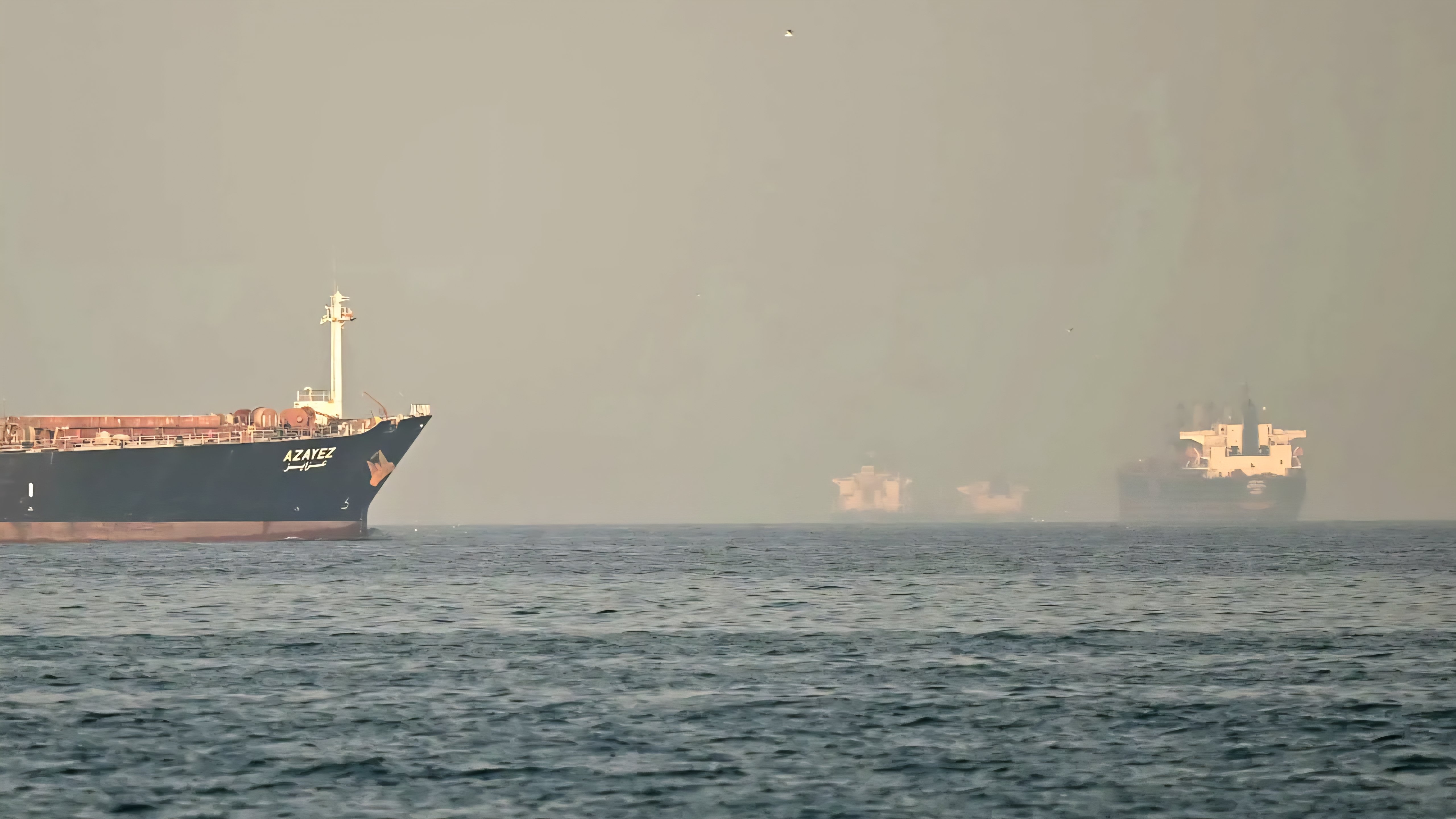

The Iranian government has announced that the Strait of Hormuz is now completely open for all commercial shipping traffic. This decision serves as a primary indicator of a shift in regional policy after a period of heightened friction that impacted global logistics.
Government officials in Tehran described the move as a major step toward de-escalating the ongoing conflict involving the United States and Israel. The geopolitical standoff had previously threatened the stability of one of the world's most critical maritime corridors.
Energy markets have reacted sharply to the news, as the strait serves as the primary artery for oil and gas exports from the Middle East. Constraints on the waterway have contributed to volatile energy prices at a time when global inflation remains a concern for construction and infrastructure sectors.
The announcement comes after months of uncertainty that saw increased insurance premiums for cargo vessels and redirected shipping routes. Industry analysts suggest that the reopening could lead to a stabilization of logistics costs, which had spiked during the period of restricted access.
Military tensions in the region have frequently centered on the Strait of Hormuz, which is only 21 miles wide at its narrowest point. Because of its geography, any closure or threat of interference has an immediate ripple effect on international trade and energy security.
Reports indicate that the move is part of a broader effort to reach a diplomatic resolution regarding regional security. The "completely open" status applies to all merchant vessels, though security monitoring by regional naval forces is expected to continue for the foreseeable future.
For the construction industry, particularly in regions like East Africa that rely on imported fuel and bitumen, the easing of shipping bottlenecks is a welcome development. Stable maritime routes generally translate to more predictable pricing for essential building materials and heavy machinery operations.
International shipping bodies have expressed cautious optimism regarding the declaration. While the announcement is a positive sign for the industry, many operators are waiting for updated security protocols before resuming full-scale transit through the Gulf.
The impact on global energy prices was felt almost immediately after the announcement circulated. Crude oil futures showed signs of easing, which may eventually provide relief to consumers at the pump if the diplomatic opening holds in the coming months.
It remains to be seen how the United States and Israel will respond to the Iranian gesture. Diplomatic channels have remained strained, but the resumption of standard commercial traffic through the strait is viewed by many as a necessary prerequisite for any lasting peace.
As vessels begin to plan routes through the Persian Gulf once again, the focus remains on the longevity of this reopening. The international community continues to monitor the situation closely to ensure that the freedom of navigation is maintained in these international waters.
Comments (0)
Leave a Comment
No comments yet. Be the first to share your thoughts!