
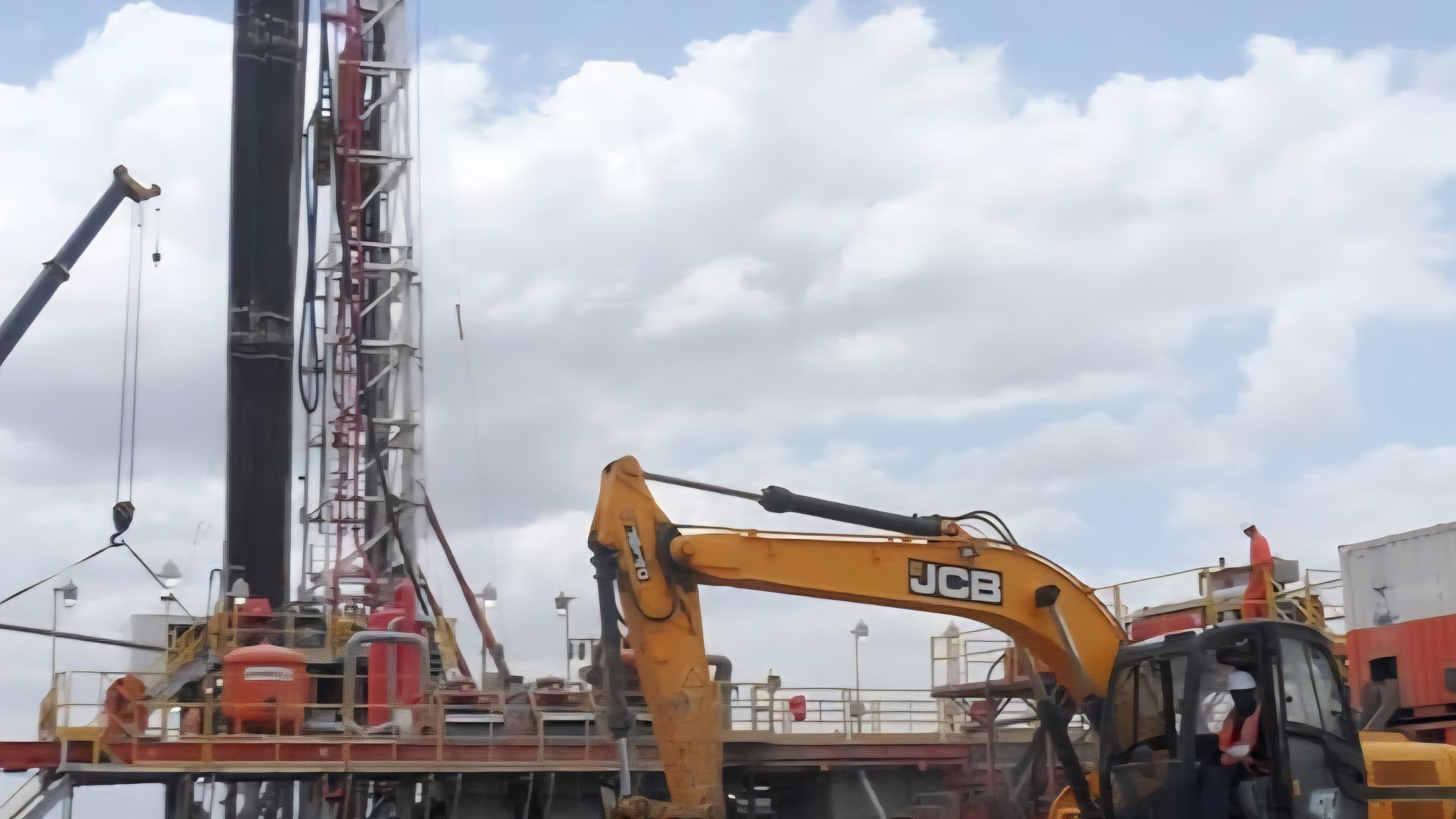

Kenya begins drilling operations for its first oil development well in Turkana County this month, as the country aims for commercial crude production.
The development follows the formal approval of the Field Development Plan (FDP), which was recently signed by the Ministry of Energy and Petroleum.
According to official schedules, the extraction teams target the first output of commercial crude oil by December 2026.
The initial phase focuses on the South Lokichar Basin, where operations have shifted from exploration to active oil field development.
Project projections indicate that production will start at 20,000 barrels per day, which provides an initial stream for international export markets.
The phased extraction model intends to limit heavy upfront financial exposure, while allowing early revenues to fund subsequent expansion phases.
Output will remain at the initial volume for several years, before rising to 50,000 barrels per day from 2031.
Energy and Petroleum Cabinet Secretary (CS) Opiyo Wandayi confirmed that the government finalized the necessary regulatory frameworks, which cleared long-standing legal hurdles.
The Energy and Petroleum Regulatory Authority (EPRA) reviewed the revised development blueprints, before Parliament ratified the entire commercial framework last year.
Gulf Energy acquired the oil field interests from Tullow Oil for 120 million dollars, which revitalized the long-delayed upstream petroleum project.
The British explorer exited the venture alongside other international partners, who cited financing challenges amid the global transition to cleaner energy.
Local companies stand to benefit from the infrastructure investments, although the government clarified that local fuel prices will not drop immediately.
The economic returns will instead arrive through direct government revenues, job creation, and improved foreign exchange reserves for the country.
Geological assessments indicate that the South Lokichar asset holds about 2.85 billion barrels of oil, with 429 million barrels deemed recoverable.
The crude oil will initially move by road to the coast, because the country currently lacks a functional domestic refinery.
The defunct Changamwe refinery in Mombasa ceased operations in 2013, which forces the state to rely entirely on exporting raw crude.
A proposed regional refinery in Tanga, Tanzania, remains under discussion to process crude from various East African nations in the future.
The current production strategy builds on lessons from the Early Oil Pilot Scheme (EOPS), which ran between 2018 and 2022.
During that experimental phase, Kenya exported over 414,000 barrels of crude, which proved that the waxy Turkana oil has global buyers.
The pilot scheme faced interruptions from severe weather, which damaged the local road infrastructure and halted trucking operations for months.
To prevent similar disruptions, the government is improving the logistics network, while upgrading roads connecting the well sites to transit corridors.
Security operations have also commenced in Turkana East and Turkana South, where state agencies want to protect workers and multi-billion-shilling infrastructure assets.
Addressing water scarcity remains another critical priority, because drilling operations require significant volumes of water to maintain reservoir pressures.
The Kenya Defence Forces (KDF) will assist in securing water transport from the Turkwel Dam, which will support both operations and communities.
A special committee comprising technical professionals and local leaders is handling revenue-sharing talks, which ensures that host communities benefit directly.
President William Ruto has previously emphasized the national importance of the oil venture, which aims to reduce reliance on external energy imports.
The state expects that up to 43 development wells will be drilled during the first year of active field operations.
Total project capital expenditure is projected to exceed five billion dollars, while operational costs over the 25-year lifespan will top eight billion dollars.
The high paraffin content of the Turkana crude means that pipelines and storage facilities must include heating systems, which prevents the oil from solidifying.
The engineering teams will install specialized multiphase pumps and insulated storage tanks at the central processing facility to manage the thick substance.
Comments (0)
Leave a Comment
No comments yet. Be the first to share your thoughts!