

The world's first vaccine component designed entirely by Artificial Intelligence (AI) has successfully completed its initial human safety trials. Developed by researchers at the University of Cambridge and the biotechnology company DIOSynVax (DVX) Ltd, the experimental treatment represents a shift toward predictive rather than reactive vaccine development.
The study involved 39 healthy volunteers and focused on evaluating the safety and tolerability of the vaccine. Results indicated that the treatment was well tolerated, with no significant adverse side effects reported among participants. This phase 1 trial serves as a foundational step for the technology.
Unlike conventional vaccines that target a single specific strain of a virus, this AI-driven approach utilizes a super-antigen. The AI system analyzed vast amounts of genetic information from the Sarbecovirus family, which includes COVID-19, SARS, and related bat viruses. By identifying common features shared across these viruses, the system designed a single antigen intended to protect against both known and future strains.
Following these results, discussions regarding the manufacturing of next-generation medical products have gained momentum in African nations, including Kenya. Local health authorities and regional stakeholders are exploring how such technological advancements can integrate into the domestic pharmaceutical infrastructure.
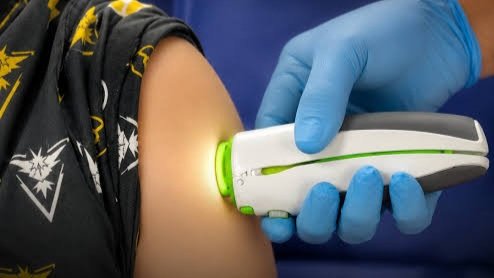
The vaccine uses a DNA-based platform. Researchers noted that the delivery method in the trial involved a needle-free microfluidic jet system, which uses high-pressure fluid to administer the vaccine through the skin. This feature is being viewed as a potential advantage for distribution and administration in varied environments.
As the scientific community reviews the data from these early trials, the focus now shifts toward determining the longevity of the immune response and the scalability of the manufacturing process. For Kenya, the goal remains to align with global health innovations to bolster domestic capacity.
Comments (0)
Leave a Comment
No comments yet. Be the first to share your thoughts!