
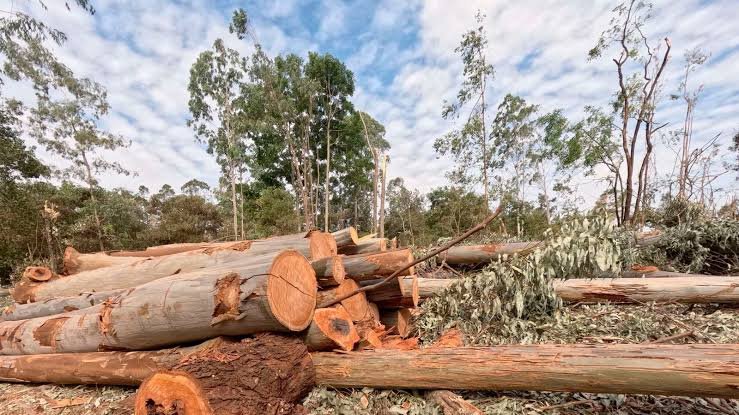

A coalition of civil society groups and environmental advocates has launched a campaign against a new legislative push to amend Kenya's primary conservation laws, warning that the proposed changes open a legal backdoor to state-backed deforestation.
The current dispute centers on the Forest Conservation and Management Act (FCMA), which has shielded public lands from arbitrary boundary changes for years. Under the existing framework, any proposal to alter the boundaries of a protected public forest requires a stringent review process overseen by state environmental authorities before reaching the National Assembly.
Activists argue the new amendment seeks to strip the Kenya Forest Service (KFS) of this veto power, effectively placing boundary decisions directly into the hands of politicians. Legal teams representing the conservation coalition claim the bill is a calculated effort to bypass recent court-ordered protections that halted specific infrastructure projects and land allocations within critical water towers.
The timing of the legislative amendment has raised red flags across the environmental sector. Critics suggest that removing regulatory oversight will allow commercial developers and public infrastructure planners to acquire public forest land without the necessary environmental impact assessments.
Past state infrastructure projects have frequently clashed with conservationists over the usage of public forest resources. The proposed legal revisions would change how government entities acquire land for public works, bypassing the current requirement to demonstrate that an infrastructure project will not cause irreversible ecological damage to rare or threatened species.
Defenders of the legislative amendment maintain that the adjustments are necessary to resolve historical land ownership disputes and regularize settlements where citizens bought land in good faith. Proponents argue that the current stringent requirements cause unnecessary delays for essential public infrastructure deployment, including roads and utility corridors.
Conservationists counter that watering down the law will lead to the immediate loss of remaining indigenous tree cover. Kenya has spent over two decades working to restore its public forest cover, an initiative that heavily relies on the strict enforcement of boundary protections.
Environmental groups have petitioned lawmakers to withdraw the bill, indicating readiness to escalate the matter to the Environment and Land Court if parliament approves the amendment. President Ruto has previously emphasized the government's commitment to climate action, but activists argue that allowing these legislative changes contradicts national reforestation targets.
Comments (0)
Leave a Comment
No comments yet. Be the first to share your thoughts!