
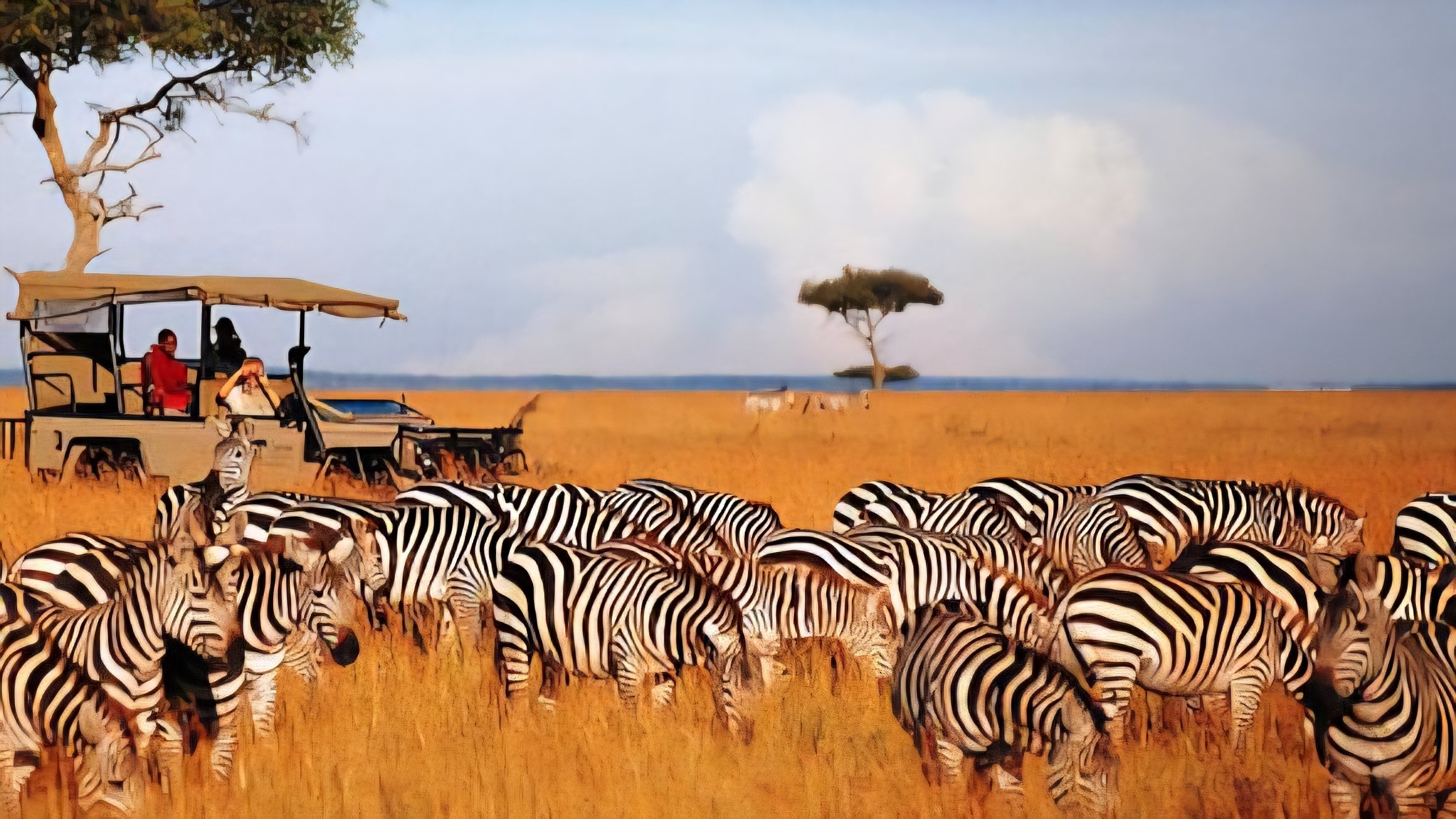

Legal and environmental groups filed a lawsuit at the Environment and Land Court to stop new luxury tourism developments inside the Maasai Mara National Reserve. The petitioners argue that recent infrastructure approvals violate environmental laws and threaten key wildlife migration routes.
The petition was jointly submitted by the East Africa Law Society (EALS), Natural Justice, JustAct, and the Africa Centre for Peace and Human Rights. It explicitly targets the construction and operation of high-end commercial properties within ecologically sensitive zones of the reserve.
Among the named respondents are Ritz-Carlton Hotel Company LLC, Marriott International Inc, and Lazizi Mara Limited. The legal coalition also listed the Narok County Government, the National Environment Management Authority (NEMA), and the Attorney General as respondents in the matter.
Advocate Gichohi Waweru, representing the petitioners, filed court documents asserting that the ongoing hospitality projects raise substantial constitutional concerns. The lawsuit challenges whether cross-border wildlife corridors mapped under international conservation frameworks enjoy protection under Kenyan law.
A central focus of the legal dispute involves the Ritz-Carlton Maasai Mara Safari Camp, a luxury 20-suite facility situated near the Sand River. The activists argue that the facility was built inside a designated low-use and conservation zone.
Court documents allege the project proceeded despite an active moratorium on new accommodation facilities inside the reserve. Furthermore, the litigants claim that the developers commenced construction without obtaining a valid Environmental Impact Assessment (EIA) licence from regulatory bodies.
The lawsuit relies heavily on scientific data collected by the University of Glasgow through its Serengeti Biodiversity Programme. Researchers utilized 26 years of GPS tracking data to map the historical movements of wildlife through the region.
According to the scientific findings presented to the court, the high-density migration path across the Sand River has severely diminished since construction began in 2022. The data indicates that wildebeest are now remaining on the Tanzanian side of the border longer.
The legal groups argue that the annual wildebeest migration is a globally significant ecological phenomenon, which Kenya is constitutionally bound to safeguard. The country has ratified multiple international environmental treaties that mandate the protection of such critical habitats.
In addition to the Ritz-Carlton development, the petition names other existing hospitality facilities inside the reserve. It alleges that Sala’s Camp, operated by The Safari Collection Ltd, and Elewana Sand River Masai Mara, operated by Minor Hotels Ltd, occupy protected zones.
The conservation groups are seeking immediate conservatory orders to halt any further approvals, construction, or physical expansions of tourist camps within the reserve. They specifically want protections enforced for the Low Use Zone and the Mara River Ecological Zone.
The petitioners have requested the court to compel government agencies to perform a comprehensive physical inspection and environmental audit of all lodges inside the reserve. The resulting audit report would be submitted directly to the court for review.
The activists are asking the court to refer the matter to the Chief Justice to empanel a five-judge bench. They stress that urgent judicial intervention is required during the current 2026 migration season to prevent irreversible ecological harm to the reserve.
Comments (0)
Leave a Comment
No comments yet. Be the first to share your thoughts!