


The State Department for Public Health and Professional Standards (SDPHPS) has directed built environment professionals to fundamentally alter their approach to infrastructure development, explicitly linking architectural design to the country’s wider disease burden.
Speaking at an industry forum in Nairobi, Principal Secretary Mary Muthoni stated that the technical decisions made by consultants directly dictate long-term medical outcomes for citizens.
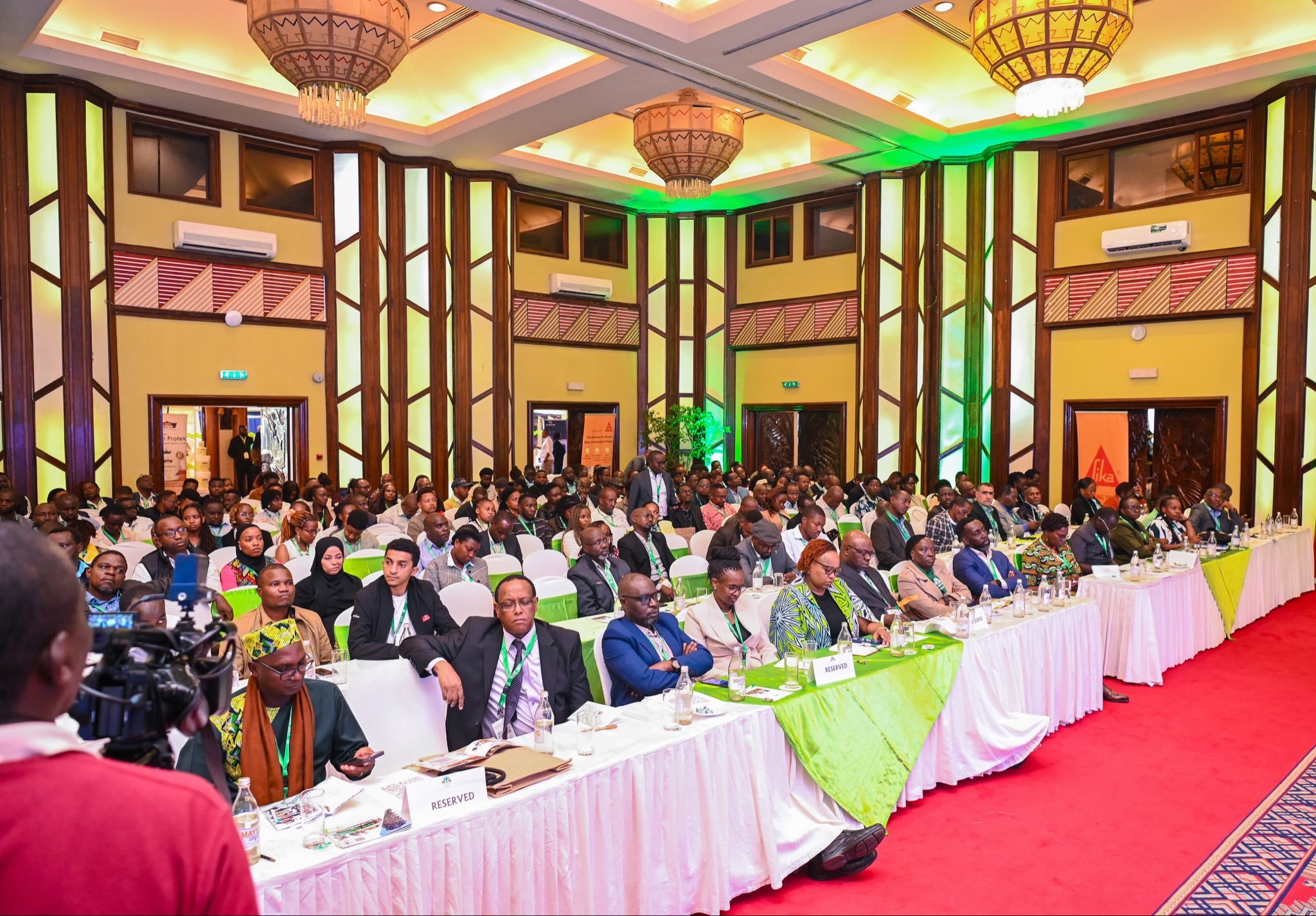

The directive targets key professionals in the delivery chain, including architects, engineers, urban planners, and quantity surveyors. ..
..
Muthoni noted that modern infrastructure must look beyond basic structural compliance and actively incorporate design elements that protect human wellness.
The Ministry of Health (MOH) is pushing for structural shifts that mandate proper indoor ventilation, maximum utilization of natural lighting, and strict universal accessibility standards across public and private commercial properties.
These interventions target airborne transmission vectors and physical limitations that challenge vulnerable demographics.
According to government priorities, the built environment must rapidly adapt to climate-resilience principles, ensuring facilities remain operational during extreme weather events.
The official stance highlights that infrastructure failure during climate shocks severely disrupts emergency medical response and standard clinical operations.
Industry professionals are under pressure to integrate proper waste management and safe piping systems during the early drawing stages, reducing sanitation-related disease outbreaks.
The call comes at a time when the government is executing structural reforms under the Universal Health Coverage (UHC) framework, which seeks to alleviate pressure on tertiary hospitals by strengthening preventative health.
Ministry officials maintain that preventative health begins in the physical environments where Kenyans live and work, making construction sites the first line of medical defense.
By coordinating spatial planning with public health requirements, the state expects a reduction in lifestyle and infectious diseases linked to poorly designed habitations.
Regulatory boards governing construction actors are anticipated to enforce these public health benchmarks during the standard project approval processes moving forward.
Comments (0)
Leave a Comment
No comments yet. Be the first to share your thoughts!