
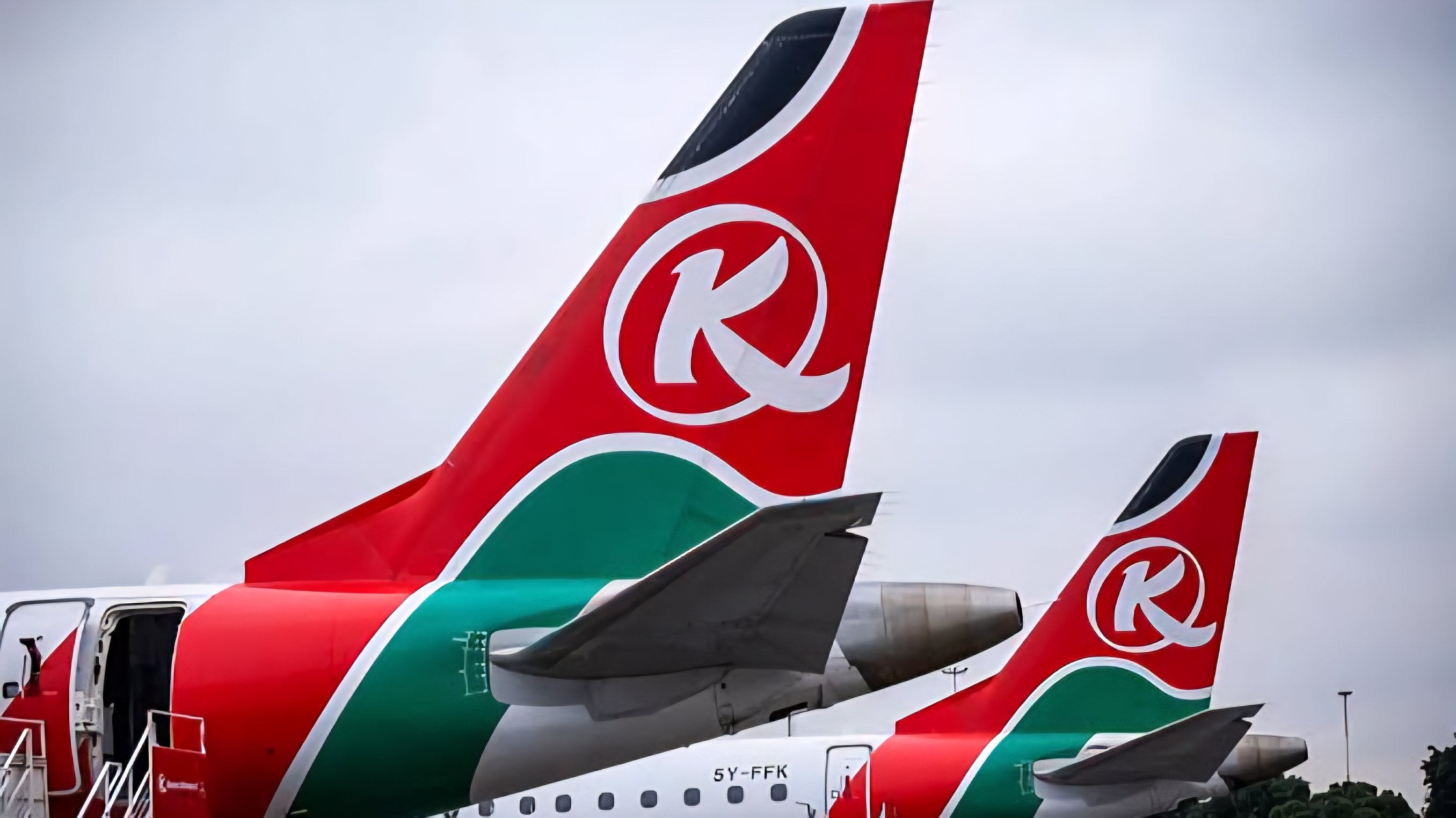

Operations at Jomo Kenyatta International Airport (JKIA) faced significant disruption this week, as Kenya Airways confirmed that passengers are experiencing departure delays of up to four hours. The national carrier issued a travel advisory on Tuesday, February 17, 2026, notifying the public of major schedule adjustments necessitated by operational challenges within air traffic control. The airline has urged travelers to verify their flight status through official digital channels before commuting to the airport, as the facility struggles to clear a massive backlog of grounded aircraft and stranded passengers.
The crisis stems from a two-day industrial action initiated by the Kenya Aviation Workers Union (KAWU). The strike, which began early Monday morning, saw hundreds of workers walk out over unresolved labor grievances, including demands for improved pay, better working conditions, and the implementation of a long-delayed collective bargaining agreement. Although union officials and the Ministry of Transport reached a return-to-work agreement late Tuesday afternoon, the ripple effects on flight rotations have left the regional aviation hub in a state of logistical recovery.
For the construction and infrastructure sector, the paralysis at JKIA highlights the critical pressure currently placed on Kenya’s primary aviation gateway. The airport is currently operating near its design capacity of 7.5 million passengers annually, a figure that was exceeded in recent reporting periods. This operational strain is the primary driver behind the government’s recently announced $2 billion expansion plan, which is slated to commence in May 2026. The proposed project includes the construction of a modern, world-class passenger terminal and a second 4.8-kilometer runway to mitigate the exact type of bottlenecks witnessed during this week’s labor dispute.
During the height of the go-slow, air traffic control services were severely limited, forcing many international carriers to divert or cancel services entirely. Qatar Airways and Ethiopian Airlines were among the major operators forced to reschedule flights, while domestic carriers like Jambojet reported operating only a fraction of their scheduled return trips. The Kenya Airline Pilots Association (KALPA) expressed concern over the situation, noting that irregular schedules and last-minute diversions were contributing to significant crew fatigue and safety risks.
While the Kenya Civil Aviation Authority (KCAA) has activated contingency measures to restore normalcy, the recovery process is expected to take at least 24 hours. The technical nature of air traffic management means that even a brief cessation of standard procedures results in a man-hours deficit that cannot be easily recovered. Engineering and maintenance teams at the airport have remained on high alert, ensuring that ground infrastructure remains viable as the volume of departures begins to rise following the union’s decision to call off the strike.
Infrastructure consultants have previously warned that without the planned 2026 upgrades, the airport’s ability to function as a regional logistics center remains at risk. The upcoming expansion, which is expected to receive funding support from the African Development Bank and the Japan International Cooperation Agency, will focus on enhancing runway throughput via new rapid-exit taxiways. Until these physical improvements are realized, the facility remains highly vulnerable to any interruptions in its labor-intensive operational workflow.
Transport Cabinet Secretary Davis Chirchir emphasized the government's commitment to stabilizing the sector, but for the thousands of passengers currently waiting in the departure halls of Terminal 1, the immediate focus remains on the four-hour delay window. Kenya Airways has stated it is working closely with airport stakeholders to minimize the impact on its network, though it admits that some further schedule revisions may be necessary if the backlog persists into Wednesday.
Comments (0)
Leave a Comment
No comments yet. Be the first to share your thoughts!