

Apartment prices in Nairobi's high-end areas and satellite towns have declined in the past three years in the wake of increased supply and a shift in buyers' preference for stand-alone units.
The market, which long enjoyed a steady upward trajectory, is now adjusting to a reality where supply has finally caught up with, and in some sectors, surpassed immediate demand.
This correction comes as developers continue to break ground on high-density projects in areas such as Parklands and Westlands, despite the cooling price environment.
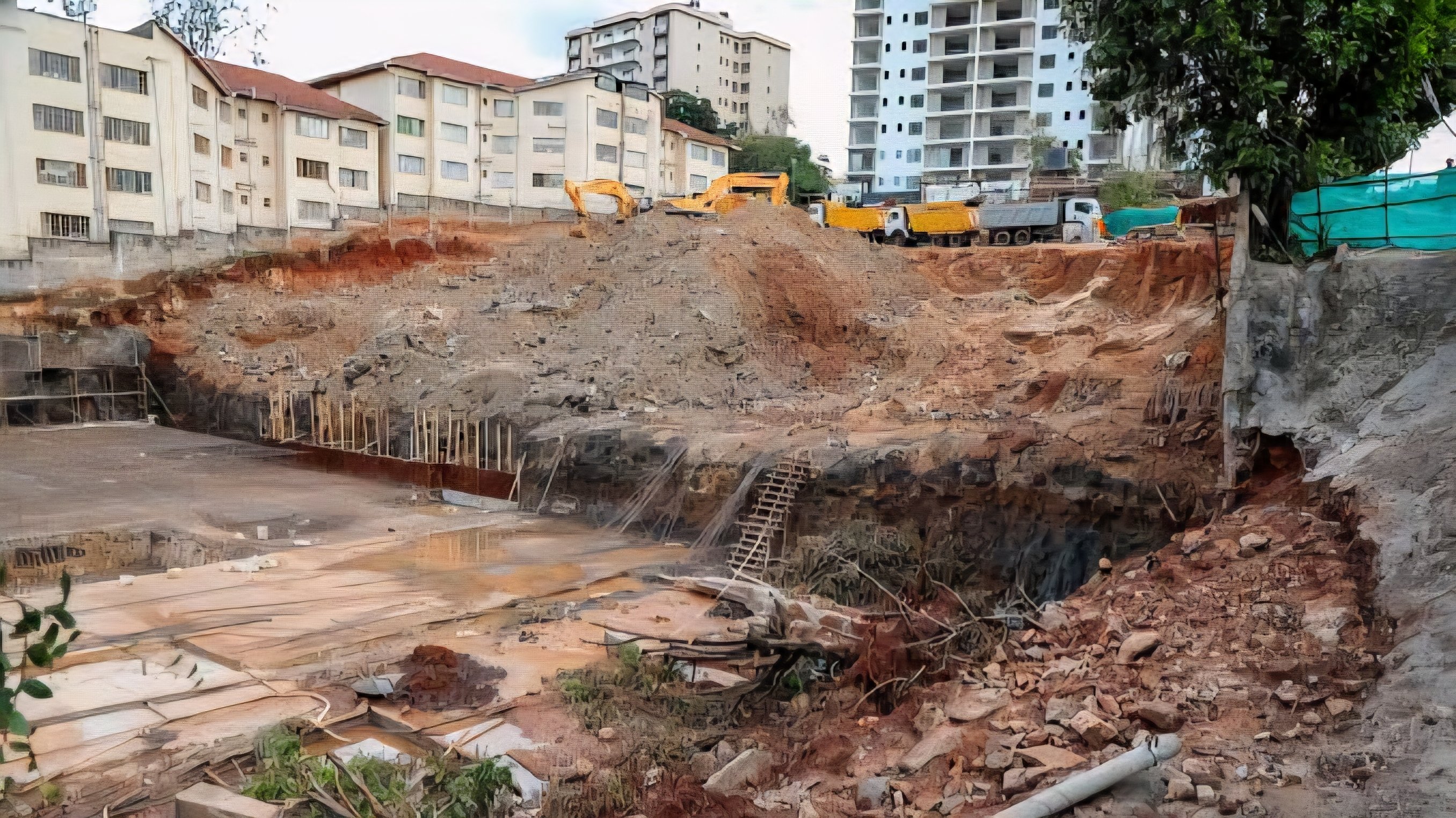
A multi-storey mixed-use apartment project is currently underway along Brookside Drive in Parklands, Westlands Constituency, illustrating the ongoing construction momentum.
While work continues on these sites, the pricing power once held by sellers has notably diminished.
Buyers are increasingly looking toward stand-alone units, which offer more privacy and land ownership compared to high-rise apartments.
This shift in preference has left a surplus of apartment units on the market, forcing sellers to lower their expectations to attract interest.
The trend is not limited to the city center but has extended into satellite towns that were previously seen as affordable alternatives for the middle class.
In these outlying areas, the rapid pace of development has led to a saturation of similar apartment offering.
Construction activity remains a visible part of the Nairobi skyline, yet the financial returns for speculators are being squeezed.
Industry data suggests that the price drop is a direct response to the sheer volume of units delivered to the market between 2023 and 2026.
Infrastructure improvements, including new road networks, have opened up more land for development, further contributing to the supply surge.
However, as more units become available, the exclusivity that once drove high prices in neighborhoods like Kilimani and Kileleshwa has faded.
For many investors, the focus is now shifting from capital gains to rental yields, although these too are under pressure from the competitive landscape.
Property experts note that the market is currently in a "buyer's phase," where those with liquidity can negotiate significant discounts.
The decline in prices is expected to persist until the current excess inventory is absorbed by the market.
Developers are now being forced to reconsider their strategies, with some moving toward more specialized or niche residential products.
Despite the current slump, the long-term outlook for the Nairobi housing sector remains tied to the broader economic growth of the country.
For now, the cranes over Brookside Drive and other suburbs continue to swing, even as the price tags on the finished products remain in retreat.
Comments (0)
Leave a Comment
No comments yet. Be the first to share your thoughts!