
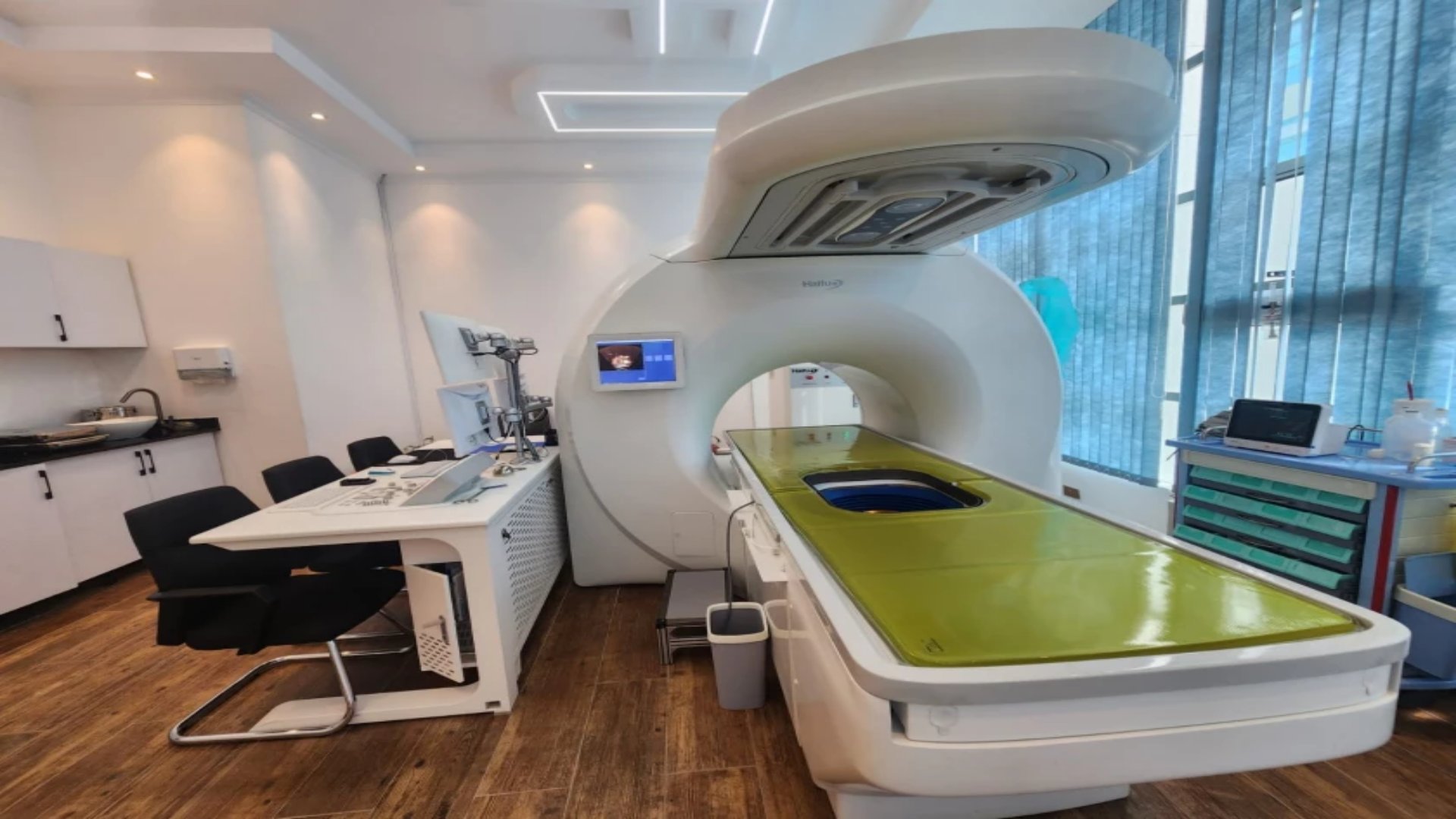

Medical professionals at the Mediheal Hospital in Nairobi have introduced a new treatment modality for uterine fibroids that eliminates the necessity for invasive surgery. Known as High-Intensity Focused Ultrasound, or HIFU, the technology allows doctors to target and destroy fibroid tissue using concentrated sound waves. This development comes as a relief for women who previously had to choose between living with painful symptoms or undergoing major operations such as myomectomies or hysterectomies.
During a recent clinical demonstration, specialists explained that the procedure works by focusing ultrasound energy on a specific point within the uterus. This creates localized heat that kills the abnormal cells while leaving the surrounding healthy tissue unaffected. Unlike traditional methods, the patient remains conscious throughout the process and does not require a hospital stay. Most individuals undergoing the treatment are discharged on the same day and can return to their regular routines within twenty-four to forty-eight hours.
The introduction of this equipment is part of a broader trend of technological upgrades within Kenya’s private healthcare sector. For years, the standard of care for fibroids in the region involved open surgery, which carries risks of scarring, heavy bleeding, and lengthy recovery periods. Some women also feared the potential impact of traditional surgery on their future fertility. Medical staff noted that because HIFU is non-invasive, it avoids the complications associated with surgical scars on the uterus, which can sometimes interfere with pregnancy or childbirth.
While the technology is new to the local market, it has been used extensively in international medical hubs for over a decade. The machine utilized in Nairobi features a built-in cooling system and real-time imaging, allowing the operator to monitor the destruction of the fibroid as it happens. Doctors emphasize that while the procedure is highly effective for many, a thorough screening process is necessary to determine if a patient’s specific fibroid size and location are suitable for ultrasound targeting.
The cost of the procedure remains a point of discussion within the local medical community. While the initial price point for HIFU may be higher than some public hospital surgical options, proponents argue that the lack of theatre fees, anesthesia costs, and lost wages during a long recovery make it a competitive alternative. Furthermore, the reduced burden on hospital beds allows facilities to manage patient flow more efficiently.
Health advocates in Kenya have welcomed the move, noting that uterine fibroids affect a significant percentage of women of reproductive age in the country. Many women suffer in silence due to the fear of the knife, often waiting until the condition becomes severe before seeking help. The availability of a non-surgical option is expected to encourage earlier intervention and better health outcomes for those struggling with the condition.
As the facility ramps up its capacity to handle more cases, there are expectations that other major healthcare providers in East Africa may follow suit. The shift toward minimally invasive and non-invasive therapies reflects a global move in construction and medical engineering toward precision instruments that reduce the physical toll on the human body. For now, the Nairobi installation serves as the primary hub for this specific ultrasound technology in the region.
Comments (0)
Leave a Comment
No comments yet. Be the first to share your thoughts!