

Navigating Nairobi has long been a logistical nightmare for persons with reduced mobility. The city’s public transport system, dominated by high-floor matatus and narrow-entry buses, offers little to no provision for wheelchair users or the elderly.
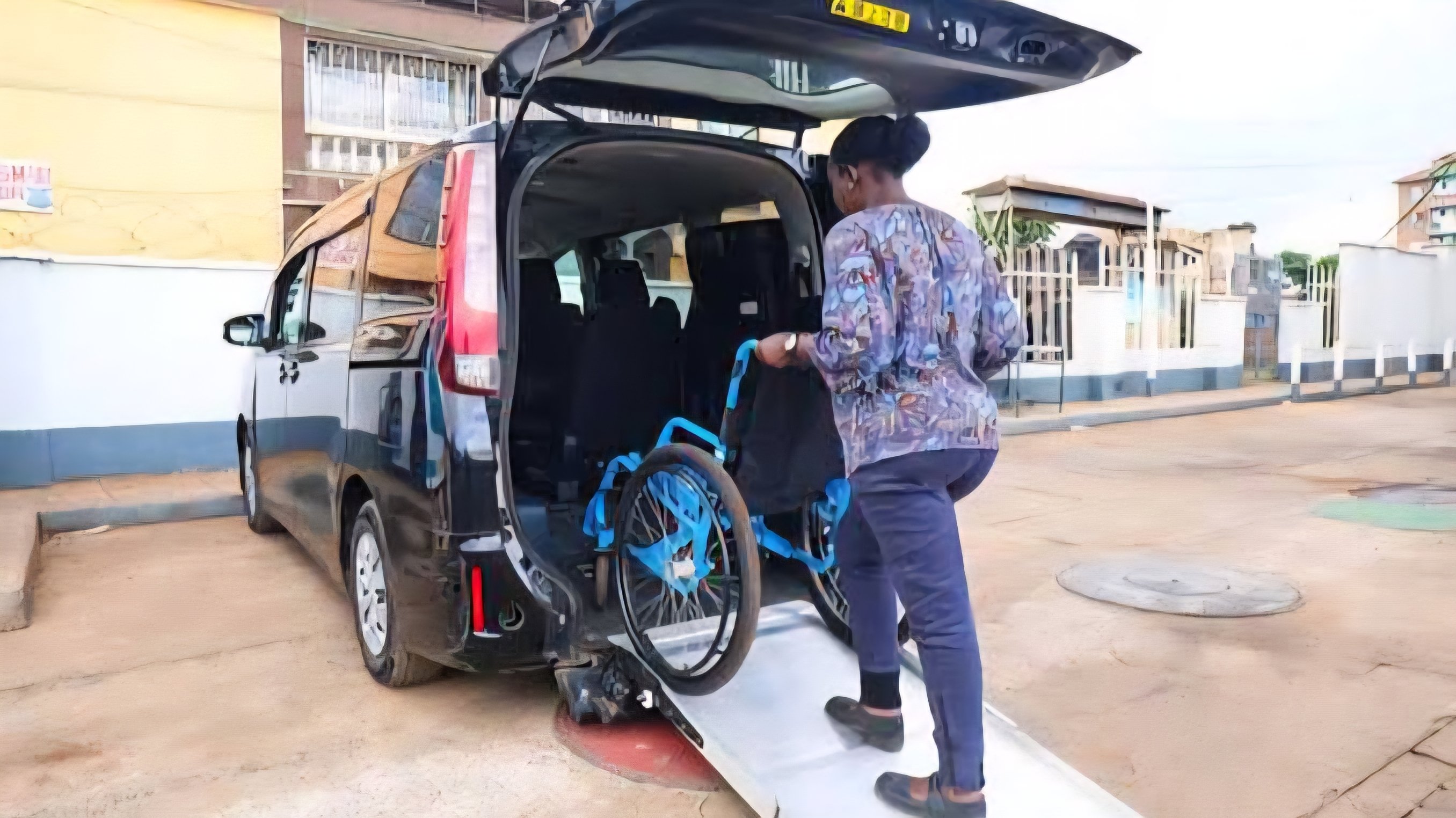
Tripp Mobility, a Nairobi-based startup, is moving to fill this critical gap in the transport sector. The company has introduced a fleet of 20 vehicles specifically modified to accommodate passengers who face physical challenges when using standard means of transit.
The fleet includes vehicles fitted with hydraulic or manual ramps, allowing wheelchair users to board without being lifted out of their chairs. This maintains the dignity of the passenger, a factor often ignored in the informal transport sector.
Beyond ramps, the startup has incorporated adjustable swivel seats. These seats rotate toward the door, making it easier for individuals with limited leg or hip movement to transition into the vehicle from a standing position or a mobility aid.
The initiative comes at a time when urban planners are under increasing pressure to implement inclusive infrastructure. While the government has discussed universal access designs for the upcoming Bus Rapid Transit system, implementation remains slow on the ground.
Reliable transport is more than a convenience; it is a gateway to economic participation. For many in Nairobi, the lack of accessible transit means being cut off from employment, healthcare, and education, effectively isolating a significant portion of the population.
Operationally, the business relies on a booking system that allows clients to schedule rides in advance. This model offers a level of predictability that is absent in the traditional "hail and board" system used by the majority of city commuters.
The cost of modifying vehicles remains a significant hurdle for many transport providers in the region. Importing specialized kits or carrying out structural changes to vehicle frames requires both technical expertise and substantial capital investment.
By proving the viability of a dedicated accessible fleet, Tripp Mobility is setting a precedent for other private players. The startup’s entry into the market highlights a niche that has been overlooked by larger transport companies and ride-hailing apps.
Infrastructure in Nairobi often stops at the curb. Even when a vehicle is accessible, the surrounding environment, such as broken pavements and high curbs, continues to present obstacles for those with mobility issues.
The success of such startups may eventually influence how property developers and road contractors approach their projects. If inclusive transport becomes a standard, then the demand for accessible drop-off points and seamless transitions will naturally increase.
For now, the fleet of 20 vehicles serves as a pilot for a much larger need. With thousands of residents requiring specialized assistance, the scalability of this model will depend on further investment and potential partnerships with healthcare providers.
The locals who have struggled with traditional taxis and matatus view this as a necessary shift. For a person in a wheelchair, the simple act of visiting a doctor or attending a meeting becomes a coordinated operation rather than a routine task.
As Nairobi continues to grow as a regional hub, the integration of all citizens into the transport network remains a priority. The emergence of specialized service providers suggests that the private sector is ready to lead where public infrastructure has lagged.
Comments (0)
Leave a Comment
No comments yet. Be the first to share your thoughts!