
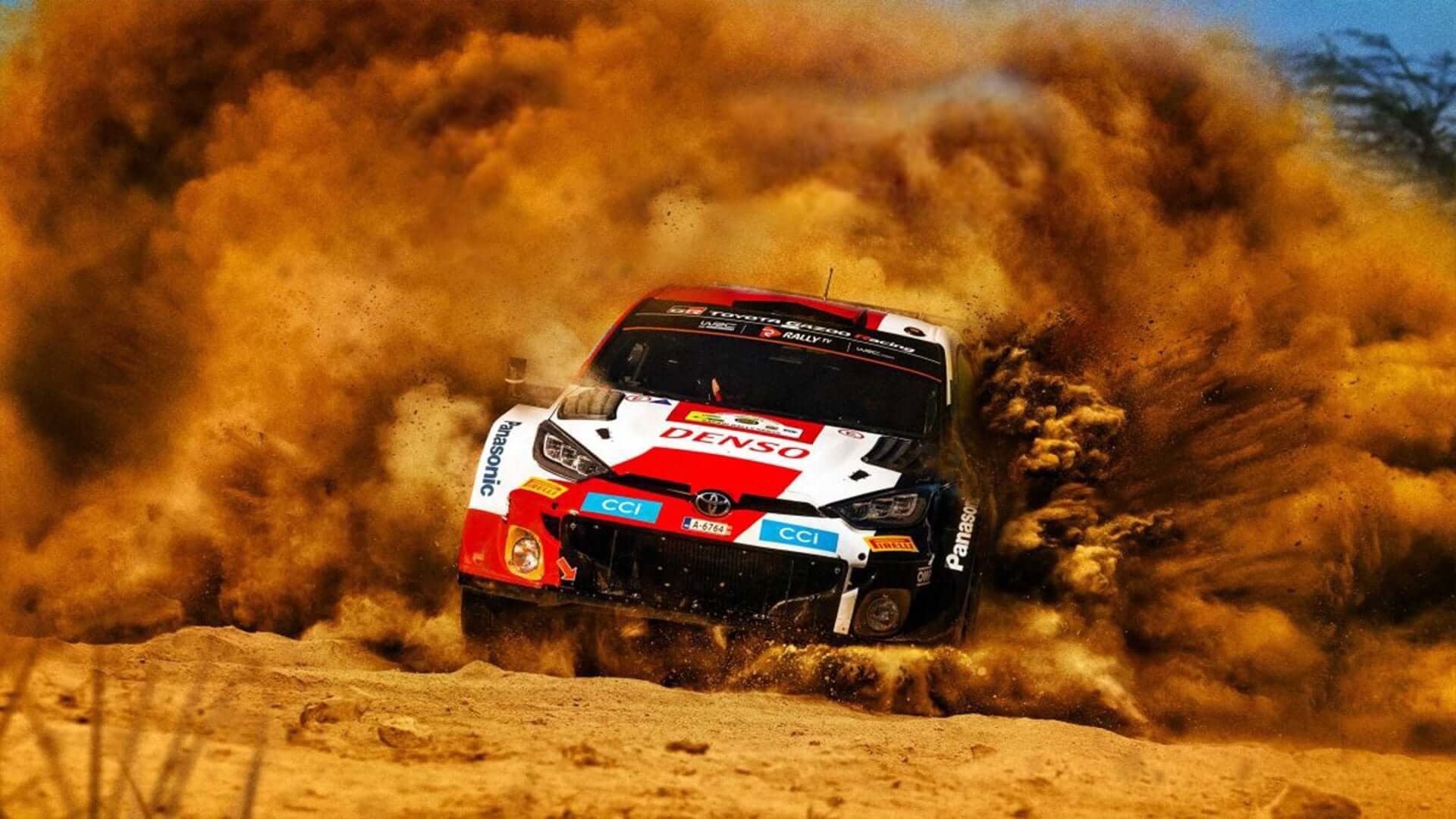

The 2026 Safari Rally Kenya has shifted its full weight to the Naivasha circuit for the second day of competition, bringing a rigorous schedule of eight special stages to the Rift Valley floor. Following the removal of Nairobi based stages from this year's itinerary, the technical focus has moved entirely to the rugged terrain surrounding Lake Naivasha, where drivers are tackling iconic stretches including Kedong and Loldia.
Day 2 serves as the longest and most demanding portion of the event, covering approximately 136 competitive kilometers. The morning session commenced with the second pass of Camp Moran, followed by the 25.6-kilometer Loldia run, which remains the longest individual stage of the rally. Competitors then moved through the Kengen Geothermal and Kedong sectors before a scheduled service break at the Naivasha Service Park.
The afternoon itinerary repeats the morning loop, concluding with the Mzabibu 2 stage. This concentration of racing within a tight geographic radius has prompted the Ministry of Interior and National Administration to activate a multi-agency security framework. Over 1,000 police officers have been deployed across spectator zones and access routes to manage the massive crowds drawn to the Rift Valley.
Safety remains the primary concern for both the government and the World Rally Championship organizers. A specific advisory issued by the Ministry of Interior has placed a strict ban on the use of unauthorized drones in and around the rally stages. Authorities noted that drones can distract drivers or interfere with official medical and broadcast aircraft, posing a significant risk to the integrity of the event.
Spectators have been instructed to remain within designated viewing areas, specifically marked to provide elevation or barrier protection from the high-speed vehicles. Marshals are enforcing "no-go" zones on the outside of sharp corners and at the end of long straights where the risk of a car veering off course is highest. Crossing the track during active stages is strictly prohibited, as the unpredictable "fesh-fesh" sand and rocky paths can cause vehicles to change direction without warning.
From an infrastructure perspective, the Kenya National Highways Authority (KeNHA) and the Kenya National National Police Service have implemented temporary traffic management measures. Heavy traffic is reported on major access roads leading to the Kedong and Geothermal stages. Motorists not attending the rally are advised to use alternative routes to avoid the congestion caused by the influx of spectators and service vehicles.
The rally also highlights the ongoing maintenance of over 400 kilometers of rural access roads graded specifically for the event. These upgrades facilitate the movement of high-performance rally cars and provide improved connectivity for local farming communities long after the podium ceremony.
As the competition moves into its final phases over the weekend, authorities continue to urge the public to prioritize safety instructions. Following the directions of event marshals and maintaining a safe distance from the racing line is essential to preventing accidents in the challenging Naivasha environment.
The event is scheduled to conclude on Sunday with the Power Stage at Hell's Gate National Park.
Comments (0)
Leave a Comment
No comments yet. Be the first to share your thoughts!