

A legislative proposal submitted to lawmakers introduces sweeping adjustments to university funding across Kenya. The draft law seeks to restructure tertiary financial aid by reducing state scholarships, while expanding student loan obligations.
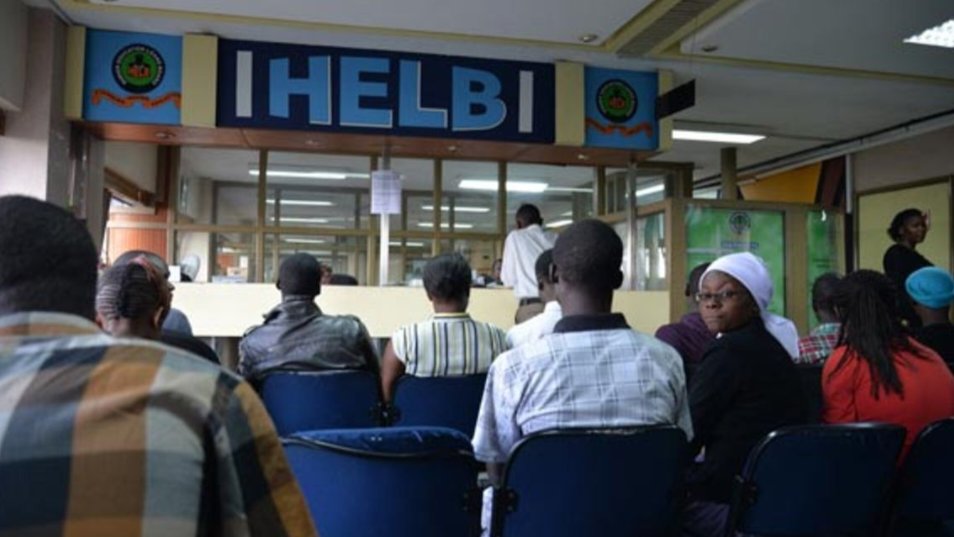
Under the proposed framework, government scholarships will face direct reductions. Every university student seeking state assistance will instead receive financial support through loans issued by the Higher Education Loans Board (HELB).
This policy shift addresses recurring budget shortfalls that have strained tertiary institutions nationwide. Parliament is currently considering the measure, as public universities grapple with accumulated operational debts and delayed ministry disbursements.
The proposed changes will alter how families plan for post-secondary education. Parents and guardians must prepare to take on greater repayment responsibilities, because loan components will replace direct grants previously funded by the National Treasury.
Education officials argue that converting grants into repayable facility allocations ensures long-term sustainability. The strategy aims to build a revolving fund, which recycles recovered capital to support future academic cohorts.
Critics, however, express concern over the potential burden placed on young graduates entering a tough labor market. High interest rates and immediate repayment schedules could increase financial stress, when local employment opportunities remain limited.
The draft legislation also impacts students enrolled in institutions under the Technical and Vocational Education and Training (TVET) framework. Trainees in technical institutes will navigate similar loan structures, as the state standardizes funding mechanisms across all sectors.
Placement agencies, including the Kenya Universities and Colleges Central Placement Service (KUCCPS), will align their admission procedures with the proposed financing model. Candidates selected for degree courses must apply directly for debt-based funding options.
Previous funding strategies relied heavily on the Differentiated Unit Cost (DUC) formula to calculate grant distributions. That mechanism faced legal hurdles and severe budget deficits, which prompted administrative reviews across the higher education sector.
Lawmakers are evaluating how the proposed scholarship cuts will affect vulnerable households. Members of Parliament have requested detailed financial projections from the ministry, before taking a final vote on the bill during upcoming sessions.
University administrators have voiced mixed reactions to the legislative proposal. While institutional heads welcome consistent cash flows for campus operations, they caution that rising debt levels might discourage secondary school graduates from pursuing higher studies.
President Ruto has previously emphasized the necessity of reforming higher education financing to keep institutions solvent. Parliament will debate the bill, as key stakeholders submit public views on the proposed statutory provisions.
Contractors and infrastructure developers monitoring technical training capacity note that vocational funding remains crucial for skilled labor supply. Adequate financing for technical colleges ensures a steady pipeline of qualified artisans for national construction projects.
Parliamentary committees plan to hold public hearings to gather feedback from student leaders, parents, and education policy experts. Final revisions to the bill will depend on recommendations generated during these nationwide consultative meetings.
Financial analysts suggest that shifting toward loan-heavy models aligns Kenya with international student funding practices. However, success will depend on effective loan recovery systems and strong job creation across major economic sectors.
The outcome of the parliamentary debate will shape the future landscape of Kenyan tertiary education. Students and academic institutions await the final vote, which will determine funding mechanisms for incoming university cohorts.
Comments (0)
Leave a Comment
No comments yet. Be the first to share your thoughts!