
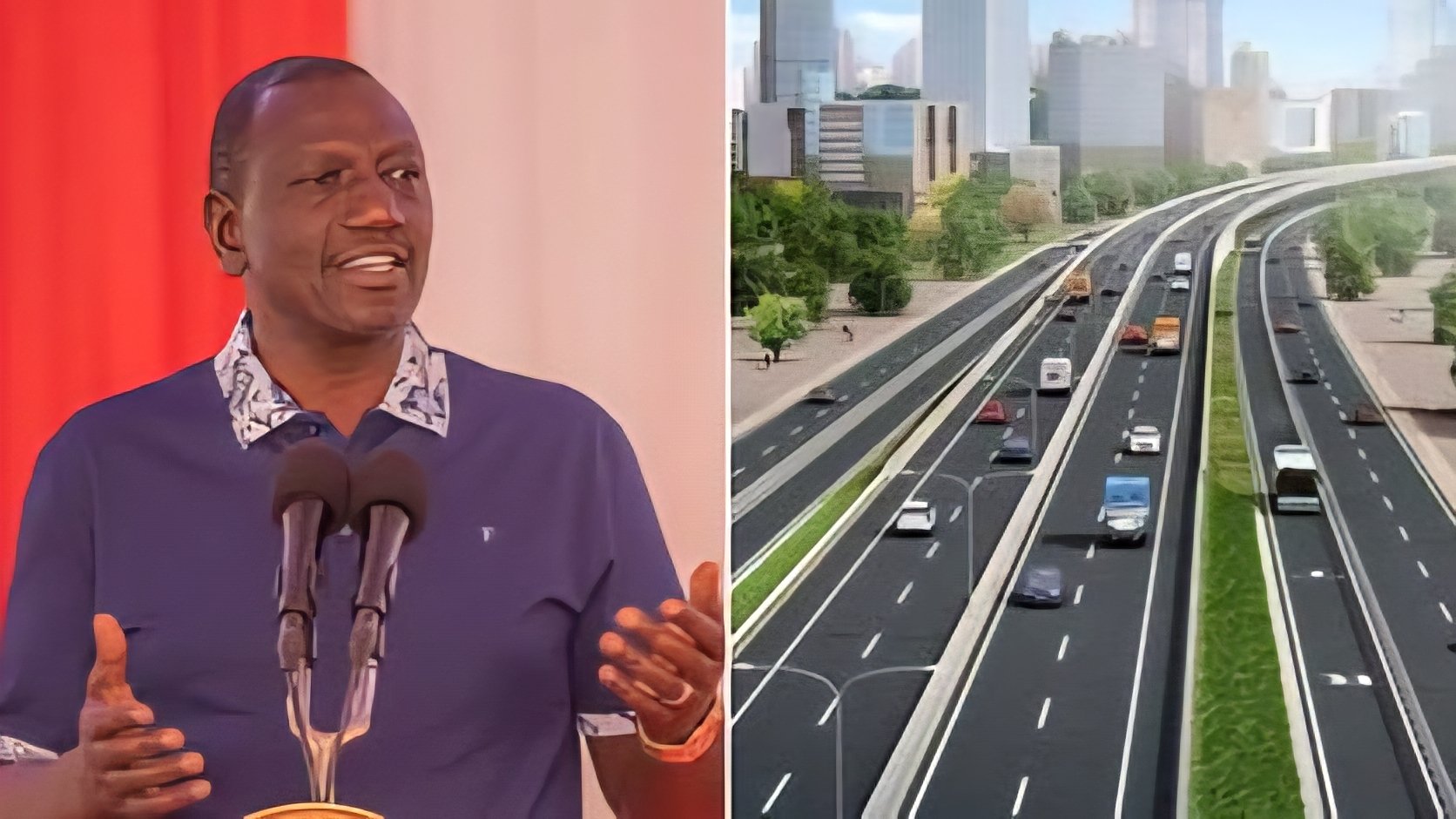

The executive has initiated a significant shift in how traffic laws are enforced across the country. President William Ruto directed the immediate reduction of traffic police officers on Kenyan roads, signaling a move toward a technology-led enforcement framework.
This policy shift aims to streamline road safety and minimize human intervention in traffic management. The President confirmed that the government is prioritizing the deployment of smart cameras to monitor motorist behavior and detect violations in real-time.
Under the new directive, the National Transport and Safety Authority (NTSA) and the Kenya National Highways Authority (KeNHA) will take a more central role in monitoring. These agencies have already been conducting pilot tests for an automated instant fines system.
Initial testing has focused on the Thika Super Highway, which serves as a critical artery for the Nairobi metropolitan area. On this stretch, cameras identify speeding and lane infractions, triggering an automated notification to the offender.
Motorists caught by the digital surveillance receive an SMS notification detailing the offense and the fine amount. This digital record is linked to the vehicle registration and the driver’s license, ensuring accountability without the need for physical roadside stops.
President Ruto noted that the deployment of technology is intended to curb corruption and improve the efficiency of road safety measures. By removing officers from the roads, the administration hopes to reduce the friction often associated with manual traffic checks.
The transition comes at a time when road accident statistics remain a concern for the Ministry of Transport. Data suggests that human error is a primary cause, and the government believes that consistent, automated surveillance will encourage better driving habits.
There have been mixed reactions from the public regarding the SMS-based fine system. While some road users welcome the transparency of automated tickets, others have raised questions about the accuracy of the cameras and the dispute resolution process.
KeNHA and NTSA engineers are currently mapping out high-accident zones where additional camera infrastructure will be installed. These smart units are capable of capturing high-resolution images even at night, ensuring round-the-clock monitoring of the national road network.
The reduction of police presence will be phased, starting with major highways before expanding to urban centers. Officers previously assigned to traffic duties are expected to be redeployed to other security functions within the National Police Service.
The government has not yet provided a specific timeline for the full nationwide coverage of the camera network. However, the procurement of additional smart hardware is reportedly a priority for the current fiscal cycle to support the digital transport agenda.
For the construction and infrastructure sector, this move necessitates the integration of fiber optic cables and power connections along new road projects. Modern road designs in Kenya must now account for the permanent installation of surveillance and enforcement hardware.
As the rollout continues, the Ministry of Information, Communications, and the Digital Economy will work alongside transport agencies to ensure the backend systems can handle the high volume of data generated by thousands of cameras.
The success of this transition will depend on the reliability of the digital database and the ability of the system to process fines without delays. For now, the sight of traffic police may become increasingly rare as the digital eyes take over the watch.
Comments (0)
Leave a Comment
No comments yet. Be the first to share your thoughts!