
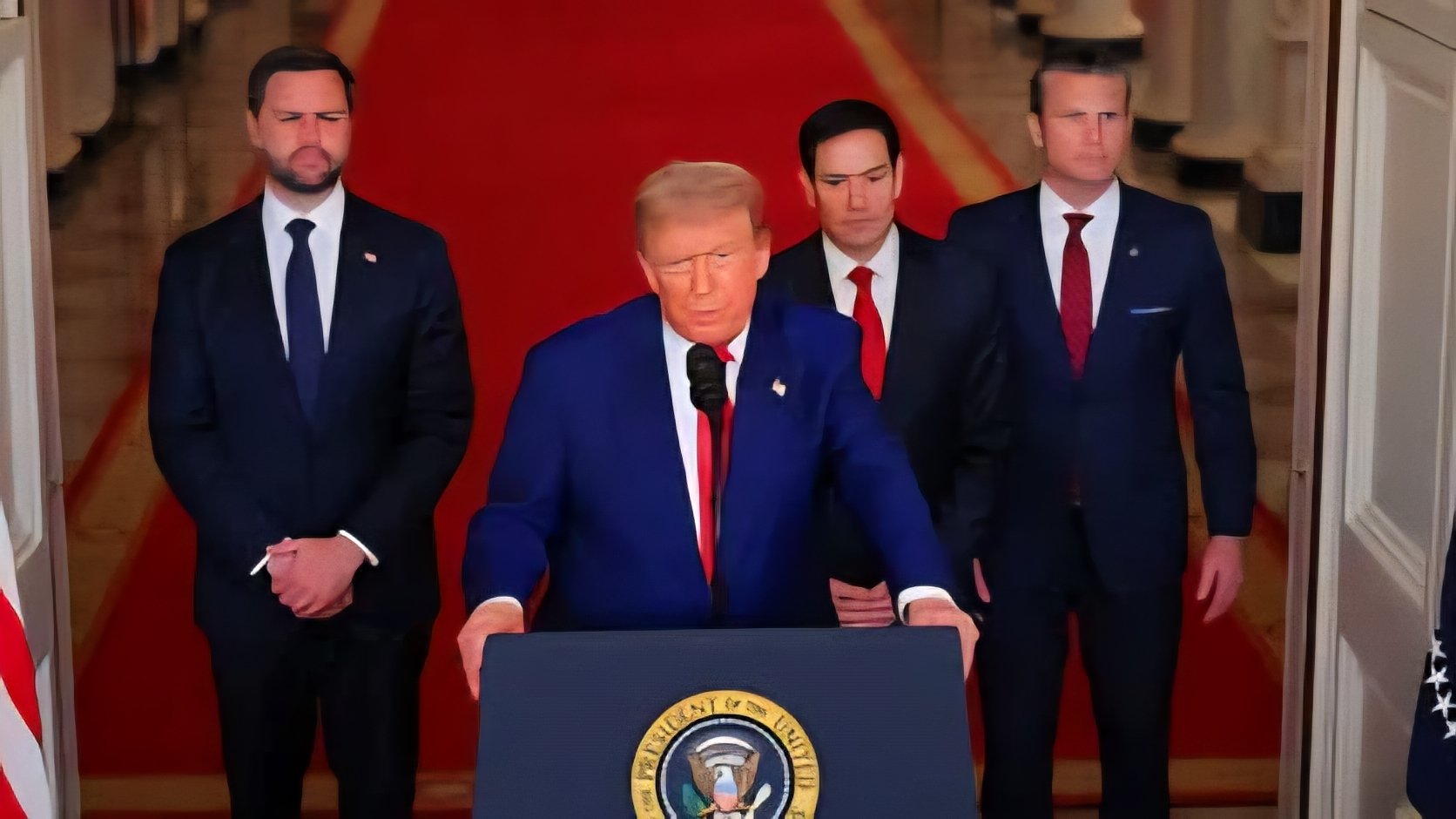

The United States Supreme Court delivered a decisive ruling on February 20, 2026, that has sent ripples through the international trade community and provided unexpected relief for the Kenyan construction and export sectors. In a 6-3 majority decision, the court struck down the sweeping global tariffs previously imposed by President Donald Trump under the International Emergency Economic Powers Act (IEEPA). The ruling clarifies that the executive branch does not possess the unilateral authority to levy taxes or duties without explicit congressional approval, ending the "Liberation Day" tariffs that had been in place since April 2025.
For Kenya, where the construction industry relies heavily on imported heavy machinery, specialized steel, and high-tech equipment from international markets, the invalidation of these duties represents a significant shift in the cost landscape. The tariffs had previously contributed to a volatile trade environment, driving up the landing costs of equipment and materials that often pass through global supply chains influenced by American trade policy. By striking down the IEEPA-based levies, the court has effectively lowered the US statutory tariff rate from 12.7% to approximately 8.3%, a move that analysts expect will stabilize pricing for industrial goods.
Chief Justice John Roberts, writing for the majority, emphasized that the power to lay and collect duties belongs strictly to Congress under the US Constitution. The court found that while the IEEPA allows a president to "regulate" imports during a declared national emergency, regulation does not extend to the imposition of tariffs. This constitutional reckoning limits the ability of the White House to use emergency declarations as a standalone basis for altering trade costs, providing a measure of predictability for Kenyan firms that manage long-term infrastructure contracts.
However, the relief may be nuanced. Following the ruling, the Trump administration quickly moved to implement a new 10% baseline tariff using Section 122 of the Trade Act of 1974. This specific provision allows for temporary tariffs to address balance-of-payment deficits but is limited to a duration of 150 days unless extended by Congress. While this new 10% levy maintains a floor for costs, it replaces more aggressive and unpredictable emergency duties that had previously threatened to derail international project financing and material procurement.
In Kenya, the primary impact of the previous tariff regime was felt through currency volatility and the increased cost of American-made technology and machinery. Prime Cabinet Secretary Musalia Mudavadi and US Secretary of State Marco Rubio have been navigating these trade tensions as the Kenyan shilling faced pressure from reduced foreign exchange inflows. The apparel and textile sectors, which are major components of Kenya’s export economy to the US, are expected to see the most immediate benefits from the removal of the IEEPA-linked duties, potentially freeing up capital for domestic industrial expansion.
From a construction perspective, the ruling is particularly relevant for firms engaged in large-scale infrastructure and energy projects. The cost of specialized man-hours and the importation of heavy-duty earthmovers often fluctuate based on the health of global trade agreements. With the Supreme Court reasserting congressional oversight, the risk of sudden, overnight price hikes on critical project components has been mitigated. Contractors who had been hesitant to sign long-term supply agreements due to trade uncertainty may now find a more stable window for negotiation.
Despite the administration's pivot to Section 122, the judicial setback for the White House is viewed as a victory for global businesses. The ruling also opens the door for potential refunds of tariffs already paid under the invalidated IEEPA orders, which could total billions of dollars globally. While the court did not provide a specific framework for these refunds, the possibility of financial recovery provides a glimmer of hope for international firms that have absorbed high trade costs over the past year.
As the construction sector in East Africa continues to grow, the stability of the US-Kenya trade relationship remains a cornerstone for private-sector investment. This ruling ensures that any future shifts in tariff policy must undergo a more rigorous legislative process, rather than being subject to the immediate discretion of the executive branch. This procedural hurdle acts as a safeguard for the international construction market, ensuring that the costs of building the future remain grounded in established law.
Comments (0)
Leave a Comment
No comments yet. Be the first to share your thoughts!